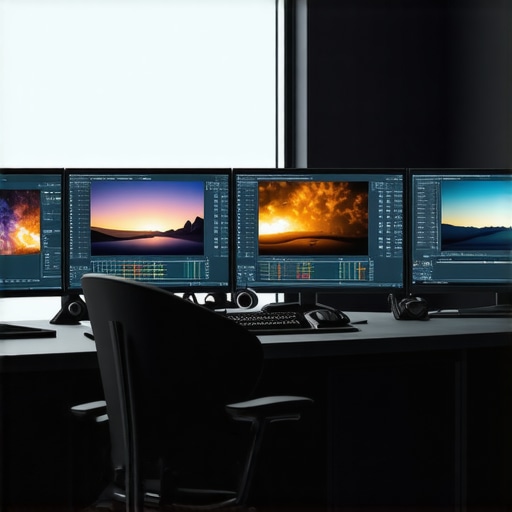
4 Monitors With 4,000 Nit Logic to Fix Your 2026 HDR Workflow
The Evolution of Professional Monitoring: A Critical Nexus for Content Creators and Colorists
In the swiftly advancing landscape of digital content creation, high-end HDR monitors have become essential tools for professionals seeking uncompromised color fidelity, calibrated accuracy, and expansive dynamic range. As the industry approaches 2026, understanding the intricate balance between display technology, calibration practices, and workflow integration is crucial for maintaining competitive edge and delivering pixel-perfect visuals.
Beyond Resolution: The Critical Role of Color Accuracy in Creative Excellence
Although 4K resolution remains the standard benchmark, it is the capability of monitors to render precise and consistent colors that truly defines professional-grade equipment. Monitors with rigorous factory calibration and hardware calibration support ensure that creative professionals can trust their tools for accurate color grading and detailed visual analysis calibrated monitors explained. The challenge becomes magnified in HDR workflows, where luminance and contrast nuances demand screens capable of 1000 nits or more, yet with minimal color shift across viewing angles and brightness levels.
Integrating Color Gamut and Peak Brightness for Peak HDR Performance
Color gamut coverage, notably DCI-P3 and Rec. 2020, are now de-facto standards for professional monitors intended for content that spans cinematic and broadcast uses. Achieving 98-100% P3 coverage combined with peak brightness exceeding 2,000 nits ensures vivid hues and radiance delivery—hallmarks of top-tier HDR workflows. Tackling the persistent issue of color consistency in high-brightness conditions is critical; recent innovations involve advanced local dimming, quantum dot enhancement, and hardware calibration tools that help accomplish this end, reducing drift and maintaining delta E < 2.
Why Does Accurate Calibration Remain the Backbone of Effective HDR Workflows
Even with the most sophisticated monitor hardware, calibration remains a gatekeeper for true color fidelity. Automated, hardware-based calibration solutions eliminate guesswork, aligning gamut, gamma, and luminance to standards like BT.2020 or HDR10. Diversifying calibration approaches—using external spectrophotometers and professional calibration software—can help maintain long-term consistency. Continuing debates revolve around the longevity of calibration accuracy, especially as displays age or overuse; per calibration endurance studies, regular recalibration is non-negotiable for critical tasks.
How Can Professionals Mitigate Color Drift in Extended HDR Projects under 2026 Standards?
Addressing this question involves a combination of hardware choice, calibration routine, and workflow management. Employing monitors with self-calibrating capabilities and integrating ongoing calibration schedules can substantially reduce drift. Additionally, choosing devices with advanced uniformity compensation ensures consistent color performance across the entire screen, safeguarding intricate editing and grading jobs. To explore the best practices for maintaining calibration integrity, consult our comprehensive calibration guide.
As the Standards and certifications evolve—such as those outlined in HDR monitor standards for 2025—staying at the frontier of technology and calibration methodologies ensures that content remains true to creative intent, even at professional post-production scales.
Professional workloads increasingly demand monitors proficient in handling the complex interplay of HDR, wide color gamuts, and high luminance levels without sacrificing color precision. Whether for blockbuster film grading or high-fidelity digital art, investing in calibrated HDR monitors that conform to the latest standards is no longer optional—it’s foundational.
Fine-Tuning Color Reproduction for Demanding HDR Projects
Achieving impeccable color accuracy extends beyond initial calibration; it necessitates a rigorous, ongoing process that adapts to environmental variables and monitor aging. For professionals engaged in critical HDR work, understanding the nuances of monitor calibration becomes foundational, especially when precision across various lighting conditions is non-negotiable. Modern calibration hardware, such as spectrophotometers, coupled with advanced software solutions, facilitates detailed profiling that accounts for gamma shifts, luminance variations, and color gamut deviations. Regular recalibration sessions, ideally scheduled weekly or bi-weekly, help mitigate color drift and sustain uniformity across the workspace.
Advanced Techniques for Maintaining Peak Color Fidelity
State-of-the-art monitors now incorporate built-in calibration sensors, offering automated routine checks that preserve factory-grade color accuracy over time. Integrating these capabilities into your workflow ensures minimal disruption while maintaining standards like DCI-P3 or Rec. 2020 fidelity. Additionally, employing hardware LUT (Look-Up Table) management can address nuanced tone and color adjustments, enabling a tighter control that software calibration alone might not achieve. For in-depth methodologies and professional tips, refer to our comprehensive calibration guide.
Is Hardware-Based Recalibration the Key to Future-Proof Color Accuracy Before 2026?
This question challenges the assumption that software solutions suffice for maintaining long-term calibration, especially as monitors age or shift due to environmental factors. Experts increasingly advocate for hardware-based recalibration devices that can automatically track and adjust display parameters, ensuring consistent performance without manual intervention. As the push towards higher luminance standards, such as 3000 nits for HDR workflows, intensifies, integrating hardware calibration becomes not just a recommendation but a necessity. The evolution of self-correcting display technologies offers a promising avenue to sustain color fidelity reliably, aligning with standards discussed extensively in recent industry analyses like HDR monitor standards for 2025.
If you’re aiming to elevate your color management practices, consider exploring the latest tools that facilitate continuous calibration and uniformity compensation. Sharing your experiences or questions in the comments can foster a community of practice that keeps pace with rapid technological advancements in professional display calibration.
Implementing Advanced Color Science Techniques for HDR Monitors
Professionals pushing the boundaries of visual fidelity are increasingly turning to sophisticated color science methodologies. Techniques such as spectral-based calibration, which utilize full spectrophotometric data instead of simplified color matrices, enable more accurate profiling of monitor performance across the entire visible spectrum. This approach mitigates the common inaccuracies caused by traditional factory calibration, especially in high-brightness modes where spectral shift can compromise color fidelityspectral calibration innovations. Integrating these methods into daily workflows fosters consistent, high-precision results, vital for cinematic grading and digital artwork where color nuance is paramount.
Can Dynamic Calibration Keep Pace with Display Aging and Environmental Variability?
Absolutely. Dynamic calibration systems, employing real-time sensors embedded within or attached to monitors, continually monitor luminance, color temperature, and gamma shifts. These systems proactively adjust the display’s internal look-up tables, ensuring that the monitor remains within specified tolerances regardless of aging or environmental fluctuationsdynamic calibration technology. Such innovations are especially relevant as display luminance targets climb toward 3000 nits and beyond, where even minor drifts can distort critical image elements. Though still emerging, this technology promises to reduce maintenance burdens and enhance consistency across demanding HDR workflows.
What Role Do External Calibration Tools Play in Future-Ready HDR Color Management?
External calibration hardware—spectrophotometers, colorimeters, and sophisticated software suites—are indispensable for achieving and maintaining ultra-precise color standards. As displays evolve with quantum dot enhancement and high peak brightness, the calibration process must adapt to account for these advancements. Upcoming tools are focusing on higher measurement accuracy, faster profiling, and integration with automation frameworks to facilitate scheduled recalibrations without user intervention. These tools also leverage AI algorithms to predict drift patterns based on previous calibration data, allowing preemptive adjustments that maintain color accuracy before visible deviations occurAI and automation in calibration.
Addressing the Challenges of Multi-Device Color Consistency in Professional Suites
In complex production environments where multiple HDR monitors—each potentially differing in panel, age, or calibration—are in use, maintaining consistent color output becomes an intricate puzzle. Solutions such as hardware LUT management and networked calibration databases facilitate uniformity, enabling synchronized calibration profiles across all devicesmulti-device calibration strategies. Additionally, standardized workflows involving centralized calibration servers can automate profile updates, prevent drift, and streamline quality assurance processes. Embracing these techniques ensures that the creative vision remains intact, regardless of the number of monitors or the complexity of the HDR palette.
The Impact of Emerging Display Technologies on Calibration Paradigms
Looking forward, innovations such as microLED displays and OLED panels with advanced pixel-self-healing capabilities are poised to revolutionize calibration strategies. These technologies promise unprecedented luminance uniformity and longevity, but also pose new challenges for calibration—the need for even more precise, non-invasive, and rapid profiling methodsmicroLED display innovations. Researchers are exploring multispectral calibration algorithms tailored to these next-gen displays, aiming to harness their full potential for HDR workflows. As these technologies mature, calibration protocols will need to evolve in tandem, incorporating AI-driven adaptive calibration routines that dynamically adjust to changing display conditions.
To keep pace with these groundbreaking developments, professionals should stay informed through industry-specific conferences and dedicated calibration forums. Engaging with scholarly articles, attending workshops, and experimenting with emerging hardware will ensure mastery over this critical aspect of digital content creation—ultimately safeguarding the integrity and vibrancy of visual storytelling in a rapidly evolving technological landscape.
The Future of Calibration Techniques for HDR Monitors in Artistic Workflows
As HDR display technologies soar to new heights, the calibration techniques that underpin precise color reproduction must evolve in tandem. Advanced spectral calibration methods are now emerging, utilizing full-spectrum spectrophotometers to achieve unparalleled accuracy across the entire visible electromagnetic spectrum. This progression allows professionals to fine-tune their displays with a level of precision that was once unattainable, ensuring that every nuance of color fidelity is preserved in critical projects. Moreover, integrating AI-driven calibration systems offers proactive adjustments based on environmental changes or monitor aging, drastically reducing manual intervention and elevating reliability.
Can Exceptional Consistency Be Sustained Across Multiple Complex Devices?
In large-scale production environments, maintaining Iike-for-like color accuracy across various HDR monitors—each with unique characteristics—poses a formidable challenge. Solutions such as centralized calibration management systems combined with hardware Look-Up Tables (LUTs) enable synchronization of color profiles at a granular level, fostering uniformity. Incorporating colorimeters with rapid measurement capabilities further accelerates this process, allowing for swift recalibrations that keep pace with workflow demands. These coordinated efforts mitigate discrepancies caused by panel variances and aging, preserving a cohesive visual experience essential for collaborative content creation.
How Will Self-Healing and MicroLED Displays Transform Calibration Norms?
The advent of microLED and self-healing OLED technologies promises a future where display uniformity and longevity reach new standards, but they also necessitate recalibrated strategies. These displays offer exceptional luminance and contrast, yet their complex pixel architectures demand innovative calibration solutions—potentially involving multispectral profiling and real-time uniformity assessments. As these advanced display types become mainstream, calibration protocols must adapt by integrating non-invasive, in-situ measurement techniques that can operate without disrupting ongoing creative processes, thus safeguarding content integrity over extended periods.
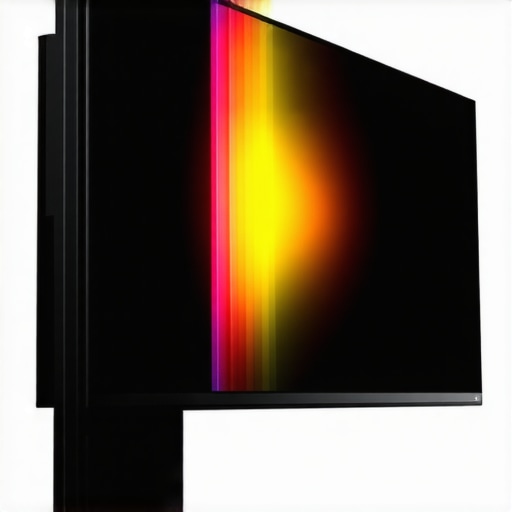
High-resolution microLED display showing uniform HDR content with precision calibration tools overlay, emphasizing cutting-edge technology in professional visualization.
Pushing the Limits of Color Precision in HDR Content Creation
Achieving impeccable color fidelity in HDR workflows extends beyond initial calibration, requiring ongoing vigilance and technological adaptation. Employing multi-point calibration procedures ensures uniform luminance and color across the entire display surface, especially critical for large-format monitors. Additionally, embracing spectral profiling enables the detection and correction of subtle spectral shifts that standard methods might overlook, thereby safeguarding the delicate nuances essential for cinematic grading or digital artistry. Continuous improvements in hardware, such as embedded sensors capable of autonomous recalibration, promise to streamline enforcement of strict color standards, aligning with the demanding expectations of today’s creative professionals.
Is Hardware-LUT Management the Future of Color Control?
Indeed, hardware-LUT (Look-Up Table) management is rapidly becoming the cornerstone of high-precision color workflows. These hardware solutions enable granular tone and color adjustments, ensuring that the monitor’s output remains within the tolerances specified by professional standards like DCI-P3 or BT.2020. When paired with automated calibration routines and spectral measurement data, hardware-LUTs facilitate rapid, repeatable, and highly accurate color corrections, even in complex multi-monitor scenarios. Adoption of these systems can dramatically reduce drift over time and provide a robust foundation for future-proof HDR workflows.
The Role of Artificial Intelligence in Sustaining Calibration Excellence
Incorporating AI algorithms into calibration workflows enhances predictive maintenance, detects drift patterns proactively, and optimizes calibration schedules automatically. These intelligent systems analyze historical calibration data to forecast when a monitor may deviate beyond acceptable thresholds, prompting preemptive adjustments before issues manifest visibly. As display luminance levels increase, especially towards 3000 nits and beyond, AI-driven calibration becomes not just advantageous but essential for maintaining consistency and preventing costly workflow disruptions. Staying informed about AI developments through industry journals and participating in specialized forums ensures early adoption of the most effective solutions.
Collaborative Calibration Across Dynamic Production Environments
Modern post-production suites increasingly rely on diverse hardware and collaborative workflows, making cross-device calibration an intricate undertaking. Standardized color management protocols combined with networked calibration tools streamline these efforts, allowing synchronized profile updates across all devices. Implementing cloud-based calibration repositories helps track calibration history, facilitate compliance, and ensure ongoing uniformity. These practices ultimately empower teams to deliver visually consistent HDR content, reinforcing the importance of meticulous color management amidst escalating creative complexities.
Expert Insights & Advanced Considerations
Prioritize Spectral Calibration Techniques
Leveraging full-spectrum spectral calibration enhances color accuracy beyond traditional RGB profiling, ensuring precise reproduction across complex HDR workflows and future display innovations.
Adopt AI-Driven Predictive Calibration
Integrating artificial intelligence into calibration routines allows proactive adjustment, mitigating drift caused by aging displays or environmental shifts, thus maintaining peak performance over time.
Implement Continuous Monitoring Systems
Embedding real-time sensors within monitors facilitates ongoing calibration, especially critical when operating at luminance levels exceeding 2000 nits, ensuring consistent color fidelity during prolonged sessions.
Prioritize Hardware-LUT Management for Precision
Utilizing hardware Look-Up Tables (LUTs) grants granular control over tonal and color adjustments, vital for matching specific color standards like Rec. 2020 and DCI-P3 in demanding professional contexts.
Optimize Multi-Device Consistency Strategies
Employ centralized calibration protocols and hardware synchronization to achieve uniform color output across multiple HDR monitors, essential for collaborative workflows in high-stakes production environments.
Curated Expert Resources
- Mastering Color Accuracy in Professional Monitors — A comprehensive guide detailing advanced calibration techniques suitable for HDR workflows and future display types.
- Spectral Calibration Technologies — Scholarly articles and industry reports on spectral profiling innovations that improve color fidelity in high-dynamic-range displays.
- AI Applications in Display Calibration — Cutting-edge research papers discussing AI integration for predictive maintenance and real-time monitor adjustments.
- Hardware-LUT Solutions — Vendor resources and user guides for implementing hardware-based tonal and color management systems.
- Multi-Device Calibration Frameworks — Case studies illustrating best practices for ensuring consistency across multiple professional HDR monitors.
Final Perspective for Creatives
In an era where cutting-edge HDR monitor calibration defines the line between mediocre and exceptional content, embracing spectral calibration, AI integration, and hardware-LUT management is no longer optional but imperative. The evolving landscape of display technology demands a proactive approach to calibration—one that anticipates future innovations and is rooted in rigorous, expert-level practices. Engaging with authoritative resources and staying at the forefront of calibration techniques empowers content creators and colorists to deliver visuals that truly stand out. Curious about elevating your calibration workflows or seeking tailored advice? Connect with industry experts today, and ensure your work remains uncompromised in the high-stakes realm of professional HDR content.
About the Author


Reading this deep dive into HDR monitor calibration really highlights how far display technology has come, especially with the push towards higher luminance and more accurate color gamuts. I agree that calibration remains the cornerstone of professional workflows, and the emphasis on hardware-based solutions is spot on. I’ve personally observed better long-term consistency integrating spectral calibration techniques, which seem to capture subtle spectral shifts that traditional methods overlook. My question is, with the rapid adoption of microLED and OLED displays, how do you see calibration protocols adapting to these new technologies, particularly regarding spectral profiling and in-situ measurement? It’s fascinating to think about the evolution of calibration standards in tandem with emerging display innovations. Would love to hear other professionals’ experiences or insights on managing this transition smoothly.