5 Color Accuracy Myths Ruining Your 2026 Video Projects
Elevating Visual Fidelity: The Critical Role of Color Accuracy in Creative Industries
In the realm of professional visual production, precise color rendition is not just a desideratum but a foundational pillar. As digital workflows grow increasingly complex, the necessity for calibrated monitors that deliver true-to-life hues becomes paramount. Today, industry-standard HDR monitors and 4K displays are evolving beyond mere resolution upgrades; they are becoming essential tools for ensuring fidelity in projects demanding impeccable color precision.
Decoding the Myth of Perfect Color Reproduction in Monitors
Are All High-Resolution Screens Equally Adept at Color Accuracy?
Many professionals assume that a higher pixel count directly correlates with better color performance. While resolution contributes to image detail, color accuracy hinges on factors like panel technology, color gamut coverage, and calibration protocols. For instance, IPS panels generally outperform TN and VA in delivering consistent, wide-gamut color reproduction necessary for nuanced editing tasks.
The Hidden Layers of HDR and 4K Technology for Creatives
HDR and 4K are often conflated in marketing claims; however, their integration into professional monitors introduces a new level of complexity. A true HDR monitor for creative workflows must support high peak luminance, often exceeding 1000 nits, with consistent color volumes. Similarly, 4K resolution enhances detail but requires precise calibration to avoid color drift, which can distort critical visual information.
Why Calibration Is the Secret Weapon for Content Authenticity
Calibration transforms a standard display into a reliable tool for color-critical work. Utilizing hardware calibration devices ensures that the monitor consistently renders colors within a delta E threshold suitable for professional standards like Rec. 2020 or DCI-P3. This process is especially vital when working with high dynamic range content, where even minor deviations can compromise project integrity.
Bridging the Gap: From Consumer to Professional Grade Displays
Transitioning from consumer-grade screens to professional monitors involves understanding the nuanced demands of high-end visual tasks. Expert creators opt for models that support comprehensive color management workflows, including 10-bit panel depth, uniform luminance distribution, and proven calibration histories.
What Are the Most Common Myths Undermining Your Color Workflow?
In the high-stakes environment of 2026 video projects, myths around monitor capabilities continue to mislead professionals. For example, the misconception that a monitor’s advertised peak brightness guarantees true HDR performance persists. In reality, fake HDR peaks often deceive users into overestimating their monitor’s capabilities.
Another prevalent myth suggests that calibration is a one-time setup. Expertise reveals that monitors drift over time, necessitating routine recalibration—especially when precision in color workflows is non-negotiable.
To optimize your workflow, explore our comprehensive guides on mastering color accuracy and the significance of calibrated monitors. Your commitment to technical mastery enhances project fidelity and client trust.
How Can You Ensure Your Monitor’s Color Performance Remains Reliable Over Time?
Regular calibration routines, combined with the use of high-quality hardware calibrators, form the backbone of sustained color precision. Implementing calibration schedules and maintaining consistent ambient lighting conditions can mitigate drift and provide ongoing workflow integrity. Recognized standards like DisplayHDR 2000 or higher illuminate the path toward achieving consistent high-dynamic-range performance.
Professional communities and forums, such as those discussed on dedicated imaging and video production platforms, often debate the efficacy of different calibration tools and techniques, underscoring the importance of continuous expert engagement.
Feel free to deepen your understanding or share insights by visiting our contact page or exploring specialized content on calibrated HDR monitors for creators.
Maximizing Color Fidelity for High-Stakes Projects
In professional settings where every hue and shade counts, achieving optimal color fidelity demands more than just choosing a high-resolution display. It involves diligent calibration, understanding color spaces, and leveraging HDR capabilities effectively. High-end professional monitors equipped with wide gamuts like DCI-P3 or Rec. 2020 enable creators to accurately preview final output, ensuring consistency across devices and media.
Challenging the Limits: Can Hardware Calibration Surpass Software Adjustments?
Many assume that software calibration tools suffice in refining display accuracy; however, hardware calibration remains the gold standard for professional-grade workflows. Devices such as colorimeters and spectroradiometers directly modify monitor color profiles at a hardware level, correcting uneven luminance, gamma shifts, and color drifts that software routines may overlook. This practice is crucial when working on projects with stringent color requirements, such as cinematic post-production or high-end photography, where subtle deviations can significantly impact the final piece.
<#IMAGE_PLACEHOLDER_B#>
To explore the most effective calibration strategies, consider reading about why calibration precision matters for designers and how to implement routine adjustments seamlessly into your workflow.
The Dynamic Intersection of HDR, 4K, and Color Management
As HDR technology advances, understanding how to integrate high dynamic range with comprehensive color management becomes essential. Modern professional monitors not only support peak luminance exceeding 1000 nits but also provide consistent color volume coverage across the entire brightness range. This synergy allows creators to visualize content precisely as intended, whether in digital cinema, VR, or immersive media. Mastering this integration ensures that creative outputs translate accurately from monitor to final display, avoiding costly reworks or misinterpretations.
What Are the Risks of Relying on Common Assumptions About Display Capabilities?
In the fast-evolving landscape of visual technology, misconceptions can undermine your workflow. For instance, many believe that a monitor claiming 1000 nits peak luminance automatically qualifies as an HDR-ready device. Yet, without verifying supported standards like HDR10, Dolby Vision, or true color volume, such claims can be misleading. Failing to critically assess these specifications may lead to subpar results, especially when showcasing work to clients or on broadcast media.
In our guide to avoid fake HDR peaks, we detail how to discern genuine high-dynamic-range performance from marketing hype, helping professionals make informed investment decisions.
Engaging with expert resources ensures your technical choices align with industry standards and future-proof your creative investments. For advanced insights, visit our dedicated HDR calibration guide.
,
Elevate Your Workflow: Advanced Calibration Methods for Professional Monitors
Achieving impeccable color fidelity demands more than standard calibration routines; it requires an understanding of the nuanced interplay between hardware limitations and environmental factors. Professional editors and colorists often employ multi-point calibration procedures, utilizing spectroradiometers that map luminance and chromaticity across the entire screen surface. This meticulous process ensures uniformity, minimizes color shifts, and enhances consistency when working with high dynamic range (HDR) and wide color gamut content.
How to Integrate Dynamic Ambient Lighting for Superior Color Perception
Ambient lighting can significantly influence color perception, especially in high-precision environments. Implementing controlled lighting conditions with neutral-colored walls and indirect light sources reduces visual fatigue and prevents color adaptation biases. Specialists recommend using ambient light measurement tools to fine-tune your workspace lighting, aligning it with your monitor’s calibration standards. Proper ambient management ensures that your perceived colors remain consistent, whether you’re grading cinematic visuals or refining photographic prints.
Can Personalized Color Profiles Boost Reproducibility in Creative Projects?
Absolutely. Creating custom color profiles tailored to your specific hardware setup allows for reproducible results across different devices and workflows. By employing hardware calibration tools—such as colormeters and spectroradiometers—to generate ICC profiles, creatives can standardize color output with high fidelity. These profiles encapsulate specific color characteristics, ensuring that your monitor displays visual information accurately during editing, color grading, and client reviews. Regularly updating profiles accounts for device drift, maintaining the integrity of your visual standards over time.
Balancing Soft-Proofing Precision with Real-World Output
Soft-proofing enables creators to simulate how their content will appear on final display devices, printers, or broadcast systems. However, the accuracy of soft-proofing hinges on meticulous calibration of the monitor and the correct implementation of ICC profiles for the target medium. Advanced workflows incorporate dual calibration—one for on-screen work and another for print validation—ensuring that every hue and shade translates correctly from digital file to physical or broadcast environment. Leveraging specialized software and hardware calibration devices facilitates this sophisticated balance, ultimately reducing costly reprints or re-edits.
How Do Industry Standards Shape Calibration Practices in 2024?
Standards such as the ISO 12646, which governs display performance for graphic arts, or the newer guidelines by the Society of Motion Picture and Television Engineers (SMPTE), influence calibration methodologies profoundly. These standards define acceptable luminance, color accuracy, and viewing environments, serving as benchmarks for professional quality assurance. Contemporary calibration practices now integrate these standards through the use of compliance-tested equipment and validation workflows. Staying abreast of evolving industry benchmarks ensures your projects meet international quality thresholds, fostering trust and credibility with clients and peers alike.
For an in-depth exploration of these standards and their implementation, consider consulting resources such as the SMPTE comprehensive standards documentation or subscribing to workshops conducted by recognized calibration authorities.
Is Your Calibration Routine Robust Enough to Prevent Long-Term Degradation?
Prolonged use, environmental fluctuations, and software updates can introduce subtle inaccuracies over time, jeopardizing your color accuracy. An effective strategy involves scheduling routine calibrations—monthly or quarterly—paired with real-time ambient light assessments. Investing in commercial-grade calibration equipment with auto-detection features and reporting capabilities can streamline this process, ensuring continuous compliance with industry standards. Additionally, establishing a calibration log allows for tracking performance trends, preemptive maintenance, and verifying calibration consistency across projects.
Engage with expert communities, attend webinars, and read peer-reviewed literature to stay informed about emerging calibration techniques and device innovations that could enhance your workflow.
Looking Ahead: the Future of Display Calibration in High-Precision Visual Work
Emerging technologies such as quantum dot displays and OLED panels with integrated calibration sensors promise to revolutionize the field in upcoming years. These advancements enable dynamic, self-correcting calibration processes that adapt to environmental changes instantly, reducing manual intervention and elevating accuracy to new heights. Moreover, the integration of AI-driven calibration algorithms can personalize color profiles based on user preferences and project requirements, pushing the boundaries of creative control and consistency. Embracing these innovations will be essential for professionals aiming to stay at the forefront of visual fidelity in an increasingly demanding industry.
If you’re eager to implement cutting-edge calibration techniques or need tailored advice for your specific workflow, don’t hesitate to reach out through our contact page. Continuous learning and adaptation will ensure your projects remain uncompromised in quality and precision.
,
Unveiling the Hidden Complexities of Color Calibration Techniques
Effective display calibration goes beyond simple adjustments; it involves nuanced strategies that account for environmental variables, hardware limitations, and evolving industry standards. Advanced calibration employs multi-point profiling with spectroradiometers, ensuring luminance and chromaticity uniformity across the entire screen surface. This meticulous approach is essential for professionals demanding impeccable color consistency—especially when working with high dynamic range (HDR) and wide color gamut content.
How Progressive Calibration Practices Elevate Your Creative Output
Implementing routine calibration cycles—monthly or quarterly—mitigates display drift caused by aging components and ambient changes. Utilizing high-precision colorimeters paired with comprehensive ICC profiles ensures your monitor remains aligned with industry color standards such as DCI-P3 or Rec. 2020. This proactive maintenance is vital in high-stakes environments like cinematic post-production or color-critical branding projects, where even minor deviations can compromise artistic intent.
Is Ambient Lighting Now a Critical Component in Calibration Protocols?
Absolutely. The influence of surrounding light sources on color perception warrants careful management. Professionals leverage ambient light measurement tools to adjust workspace lighting, optimizing visual conditions to match calibration parameters. Neutral-colored walls and indirect lighting minimize visual fatigue and prevent color adaptation biases, resulting in more accurate color judgments and consistent workflows during prolonged editing sessions.
Why Personalized Color Profiles Empower Consistent Workflow Reproducibility
Creating bespoke ICC profiles using hardware calibration devices ensures your colors remain stable across different projects and hardware updates. Regular profile updates compensate for device aging and drifts, maintaining high fidelity. Such precision is indispensable when delivering content for multiple platforms—digital cinema, broadcasting, or print—where color accuracy directly influences viewer perception and brand integrity.
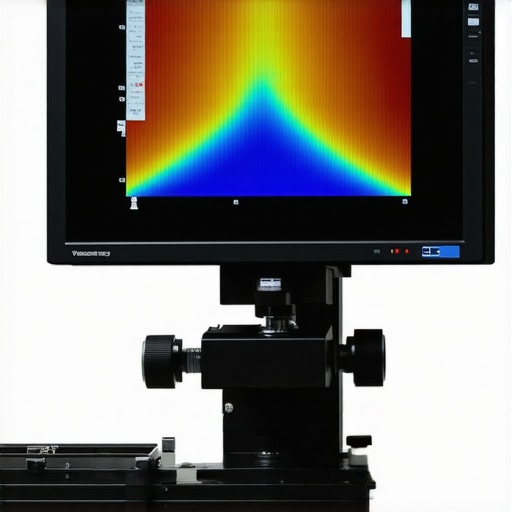
Visualize the calibration process emphasizing multi-point measurement with advanced spectroradiometers, capturing luminance uniformity across diverse screen regions.
Soft-Proofing and Its Role in Multiplatform Consistency
Seamless soft-proofing aligns digital previews with physical or broadcast outputs. It demands rigorous calibration of monitors, coupled with accurate ICC profiles tailored for target media. Dual calibration workflows—one optimized for screen work, another for printing—ensure hue fidelity, preventing costly reworks and safeguarding project timelines. The integration of AI-driven color prediction tools further refines this process, adapting in real-time to contextual shifts in content presentation standards.
Decoding Industry Standards That Shape Your Calibration Strategies
Standards like ISO 12646 and SMPTE TR 100-2 establish critical benchmarks for display performance. Adhering to these guidelines ensures your calibration practices meet global quality thresholds, fostering industry trust. Recent advances incorporate compliance verification software that streamlines certification processes, offering real-time validation against these standards. Embracing such frameworks positions professionals at the forefront of technological evolution, essential for future-proofing high-fidelity workflows.
Next-Gen Display Technologies: The Future of Self-Calibrating Systems
Emerging displays integrate self-calibration sensors—often embedded within OLED or quantum dot panels—enabling dynamic adjustment to environmental and component aging factors. Coupled with AI algorithms, these systems recognize calibration drift and auto-correct in situ, drastically reducing manual interventions. This innovation promises unprecedented consistency, allowing creators to focus purely on content without fretting over device variability, thus maintaining unwavering quality over extended periods.
If you’re committed to pushing the boundaries of visual accuracy, explore our expert resources on implementing self-calibrating displays and integrating AI-driven calibration solutions into your workflow. Your mastery of these advanced techniques will distinguish your work in the competitive digital landscape.
,
Expert Insights & Advanced Considerations
The significance of dual calibration protocols for multi-device workflows
Implementing separate calibration routines for editing displays and final output devices ensures color consistency across media types, reducing rework and enhancing client trust.
The role of ambient lighting in long-term calibration stability
Controlling workspace lighting not only enhances visual accuracy during editing but also minimizes monitor color drift caused by fluctuating environmental conditions, stabilizing calibration over time.
Leveraging AI in calibration processes to adapt to monitor aging
Emerging AI-driven calibration tools dynamically adjust color profiles to compensate for hardware drift, maintaining high fidelity without manual recalibration, thus streamlining workflows.
Critical evaluation of industry standards and their practical applications
Understanding and implementing standards like SMPTE and ISO guides ensures compliance with global quality benchmarks, safeguarding project integrity in professional settings.
The impact of high dynamic range on color management strategies
Integrating HDR capabilities requires adjusting color workflows to account for expanded luminance and color volume, demanding precise calibration and monitoring to preserve artistic intent.
Curated Expert Resources
- Color Management for Digital Cinema: An authoritative guide on aligning digital workflows with industry standards, essential for high-end post-production.
- SMPTE Standards Documentation: The definitive resource detailing calibration benchmarks and compliance protocols shaping professional display practices.
- Advanced Calibration Algorithms by Colorimetry Experts: Cutting-edge research papers exploring AI and multi-point profiling for sustained accuracy over device lifespan.
- Workstation Wizard’s Comprehensive Calibration Guide: Practical tutorials and insights into routine calibration, ambient management, and hardware selections.
- Industry Conferences and Workshops on HDR and Color Accuracy: Opportunities for hands-on learning and networking with seasoned professionals shaping future standards.
Final Expert Perspective
Achieving impeccable color fidelity in professional monitor setups hinges on adopting sophisticated calibration strategies that go beyond basic routines. Embracing dual calibration workflows, controlling ambient lighting, and integrating AI-driven adjustments collectively elevate the integrity of high-end visual projects. The ongoing evolution of standards and hardware innovations underscores the importance of continuous learning and adaptation, ensuring your creative output consistently meets the highest industry benchmarks. To deepen your understanding and stay ahead in this precision-driven field, connect with industry experts through our contact page and explore comprehensive resources—your commitment to excellence redefines what’s possible in visual fidelity.
About the Author