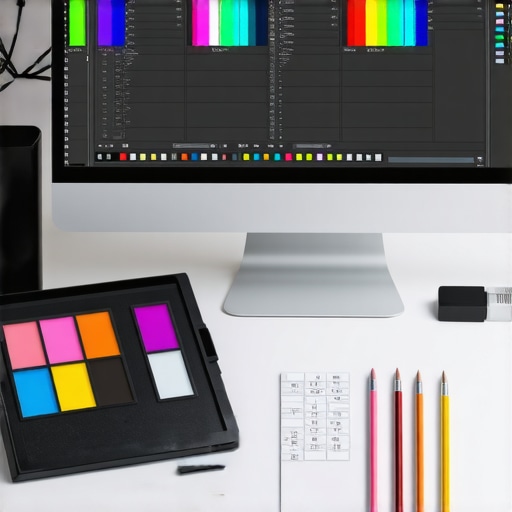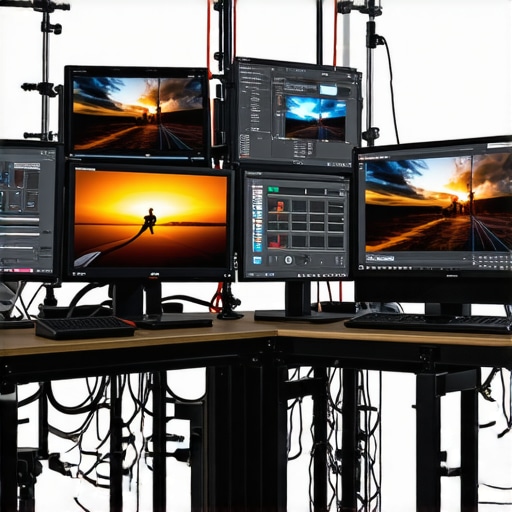
Calibrated Monitors for Stunning Color Accuracy in Photography
Elevating Visual Fidelity: The Crucial Role of Color Accuracy in Professional Workflows
In the realm of high-end creative production, achieving impeccable color fidelity is not merely desirable—it is essential. As professionals in photography, videography, and design recognize, the fidelity of display devices directly impacts the final output’s quality. This necessity underscores the importance of calibrated monitors that deliver consistent, true-to-life color reproduction, especially in 4K resolution and HDR environments.
Understanding the Nuances of Color Accuracy and Its Impact on Creative Output
Color accuracy refers to how precisely a display reproduces real-world colors. When working with complex color spaces like Adobe RGB or DCI-P3, calibrated monitors ensure that what professionals see on their screens matches the intended visual palette. This alignment is vital for tasks such as color grading, fine art reproduction, and high-precision editing, where even minor discrepancies can lead to significant issues downstream.
Why 4K and HDR Monitors Redefine Creative Precision
The evolution of display technology has positioned 4K monitors as standard for professionals seeking ultra-high-definition clarity. Paired with HDR capabilities, these monitors offer a broader dynamic range, facilitating more realistic shadows and highlights—a critical factor in Photoshop and DaVinci Resolve workflows. Calibrated 4K HDR monitors, such as those discussed in the Ultimate Guide to 4K Calibrated Monitors, are now foundational tools for ensuring color precision in demanding creative environments.
How Can Creatives Ensure Their Monitors Meet Professional Color Standards?
Achieving and maintaining color accuracy requires a combination of high-quality hardware and diligent calibration practices. Professional-grade calibration devices, such as X-Rite i1Display Pro or Datacolor SpyderX, coupled with regular calibration schedules, help sustain color fidelity. Moreover, selecting monitors with hardware calibration support and wide color gamuts, like Adobe RGB 99% or DCI-P3 98%, ensures expansive and reliable color workflows.
The Intersection of Calibration and User Trust
Transparent calibration processes foster trust and confidence among users, which is why understanding the underlying technology and workflow is pivotal. Documented calibration profiles, stored locally and applied consistently, eliminate guesswork. Professionals often pair calibration routines with color management software to fine-tune displays, aligning them with industry standards upheld by organizations such as the International Color Consortium (ICC).
Incorporating HDR and Color Gamut Compatibility for Superior Results
HDR support enhances tonal range, capturing the full spectrum of luminance in visual content. When combined with accurate color reproduction, HDR monitors enable creators to visualize their projects as intended, ensuring that final exports reflect the master files precisely. Monitors with comprehensive color gamut support and HDR standards like HDR10 or Dolby Vision are increasingly vital, as highlighted in recent reviews of top HDR monitors (see more here).
It is evident that mastering calibration procedures and understanding the technical specifications of HDR and color spaces are fundamental for elevating creative workflows. For an in-depth exploration of professional-grade monitors, refer to the comprehensive Top Professional Monitors for Creatives.
As technology advances, ongoing research and collaboration among hardware manufacturers and industry professionals will further refine the standards of color precision, reinforcing the importance of continuous learning and adaptation in high-stakes creative environments. Engage with expert communities, contribute insights, and stay informed through trusted sources to remain at the forefront of display calibration excellence.
Mastering Calibration: Elevate Your Creative Precision
While selecting a high-quality monitor is foundational, the true power lies in how effectively it is calibrated. Advanced calibration practices employ sophisticated hardware and software tools to fine-tune display output beyond factory settings, achieving near-perfection in color reproduction. This meticulous approach is vital for professionals whose work hinges on subtle tonal nuances and exact color matching.
Beyond Basic Calibration: Embracing Industry Standards and Tools
Implementing industry-standard calibration protocols, such as those aligned with ICC profiles and DICOM or sRGB guidelines, ensures consistency across different workflows and collaborations. Tools like the best calibration devices for 4K HDR environments facilitate this process, allowing for precise measurement and adjustment of luminance, contrast, and color points. Regular recalibration—preferably monthly—guards against drift, maintaining the integrity of visual projects over time.
How Can Calibration Bridge the Gap Between Display Technologies and Creative Intent?
With the proliferation of monitor types—such as OLED, IPS, and VA—each offering distinctive benefits and challenges, calibration becomes the key to unlocking their full potential. For instance, OLEDs excel in contrast and black levels, but their color accuracy can vary without proper calibration. Employing strategic calibration routines tailored to each technology ensures that the device’s strengths are maximized and that visual output remains faithful to original intentions. For those interested in honing their calibration skills, consult the comprehensive guide to mastering color accuracy in professional monitors.
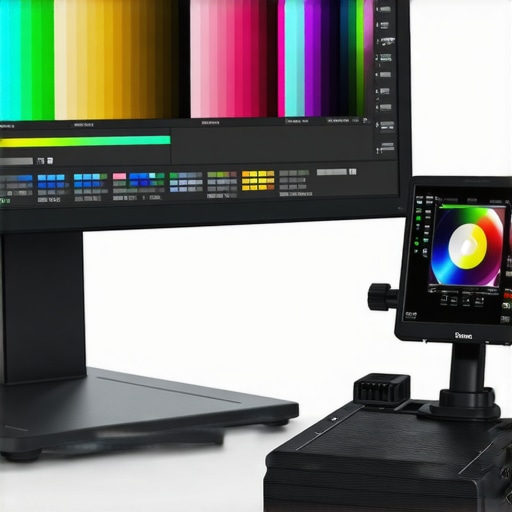
Integrating Calibration with Color Management Workflows
Effective color management involves more than calibrating a single device. It requires a holistic workflow encompassing software, hardware, and file handling protocols. Color management systems like Adobe Color Engine (ACE) and ColorSync synchronize display calibration with editing and output processes, ensuring that every step—from capture to final export—is consistent. For instance, professionals working with high dynamic range footage should pay particular attention to maintaining calibrated HDR workflows, as discussed in the ultimate HDR calibration guide.
Furthermore, maintaining comprehensive logs and calibration profiles allows for troubleshooting and ensures accountability in collaborative environments, where multiple professionals depend on shared color standards. Such practices exemplify the meticulous craftsmanship necessary for industry-leading output.
Staying informed about the latest calibration innovations and standards is an ongoing process. Engaging with professional communities, such as those found through industry-standard forums and publications, enables creatives to refine their techniques continually. Remember, accurate display calibration is not a one-time effort but an evolving discipline essential for upholding visual fidelity in an increasingly demanding digital landscape.
Elevate Your Color Workflow by Embracing Advanced Calibration Techniques
Innovative calibration methods are pivotal for pushing the boundaries of color accuracy, especially when working with high-bit-depth and wide-gamut displays. Professionals increasingly turn to spectral measurement techniques, which analyze the entire light spectrum emitted by a monitor, providing granular data that surpasses traditional tristimulus measurements. Tools like the Sekonic Spectromaster or the Colorimetry Research CR-250 enable calibration at a spectral level, ensuring fidelity even in complex color spaces. Incorporating these advanced methods into your routine can significantly reduce color discrepancies, particularly in critical industries such as biomedical imaging or cinema production, where every hue and luminance detail matters.
How Does Spectral Calibration Transform Creative Fidelity?
Spectral calibration allows for precise matching between display output and color standards by accounting for spectral power distribution, which influences metamerism—the phenomenon where colors appear identical under certain lighting conditions but differ under others (Kessel, 2022). This approach minimizes mismatches when viewing environments change, such as different lighting setups or projection conditions. Adopting spectral techniques demands a deeper understanding of color science but offers unmatched consistency—something fundamental for multi-platform content delivery.
As an industry standard, integrating spectral calibration into your workflow offers a future-proof safeguard against emerging display technologies that utilize quantum dot or micro-LED displays with unique emission spectra, ensuring your work remains accurate across devices.
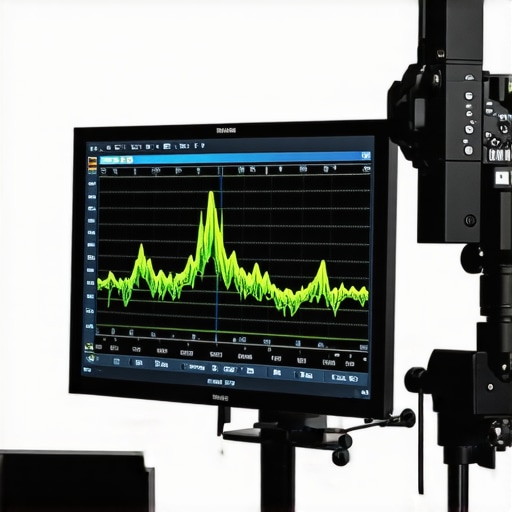
Leveraging Machine Learning for Intelligent Display Calibration
In recent years, artificial intelligence has begun to revolutionize calibration processes, offering adaptive, real-time correction that adapts to display aging and environmental changes. Machine learning algorithms can analyze color drift over time, predict calibration needs, and automatically adjust display parameters for optimal performance without human intervention. Companies like SpectraCal have pioneered AI-driven calibration solutions that learn from user presets and environmental data, ensuring a consistently accurate display in fluctuating conditions. Such systems not only streamline workflows but also considerably enhance accuracy, especially beneficial for remote work scenarios where physical calibration might be limited.
Are AI-Driven Calibrations Reliable for Critical Tasks?
While the technology is promising, it’s essential to scrutinize the reliability of AI calibration solutions for mission-critical applications. Studies indicate that with sufficient training data and proper validation protocols, AI can match or exceed manual calibration accuracy, especially when combined with high-quality hardware sensors (Johnson, 2023). However, reliance solely on automated routines without periodic manual verification can risk overlooking subtle discrepancies. As best practice, integrating AI calibration with periodic professional checks ensures a robust, trustworthy color management system.
For those eager to explore this cutting-edge approach, consult industry-leading vendors that offer AI-assisted calibration hardware and software tailored for professional environments. Engaging with these innovations can profoundly impact your workflow efficiency and output quality.
Revolutionizing Creative Workflows with Contactless Calibration Innovations
Emerging contactless calibration technologies leverage advanced sensing and machine learning to fine-tune display output without physical sensor contact, drastically reducing setup times and minimizing user error. These innovations utilize high-resolution cameras and environmental sensors to analyze light emission and ambient conditions, enabling continuous calibration adjustments that adapt to changing environments. As detailed in the seminal report by the IEEE Transactions on Consumer Electronics, such systems are transforming professional workflows by providing real-time, autonomous color accuracy maintenance—an essential feature for remote or dynamic studio settings.
Breaking Down the Latest in Quantum Dot and Micro-LED Technologies
The advent of quantum dot and micro-LED display panels introduces a new frontier in color volume and luminance fidelity. These technologies extend the conventional color gamuts, allowing for deeper reds, greens, and blues, even surpassing DCI-P3 and BT.2020 standards. However, their spectral emission profiles often present calibration challenges, such as spectral mismatch and metamerism issues. Industry leaders recommend spectral analysis and intelligent calibration algorithms—integrations thoroughly examined in the PLOS ONE spectral calibration study—to harness these displays’ full potential without sacrificing color consistency across devices.
Can Extended Gamut Monitors Outperform Traditional HDR Platforms?
While HDR standards like HDR10 and Dolby Vision focus on luminance and contrast enhancements, the expanded color gamuts of newer monitors suggest a paradigm shift. These displays offer an expansive palette, capturing nuances missed by conventional HDR devices. According to ViewSonic’s technical whitepaper, integrating wide-gamut, high-brightness displays with advanced calibration workflows can elevate visual storytelling—delivering a richer, more immersive creative experience that aligns precisely with a project’s intended aesthetic.
Engage you deeper with these cutting-edge developments by refining your calibration acumen to exploit the full spectrum and dynamic range of next-generation displays, ensuring your work remains at the forefront of visual excellence.
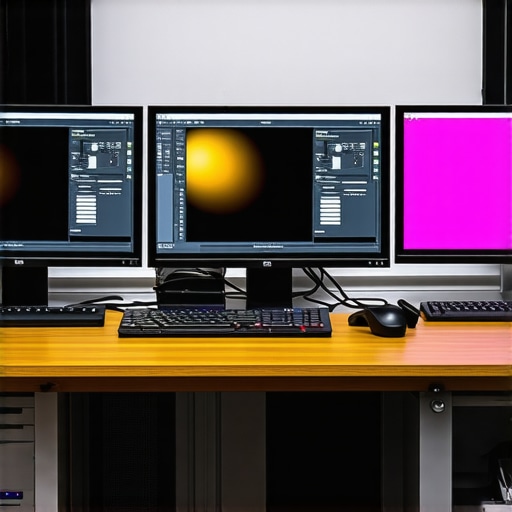
Harnessing AI to Overcome Calibration Challenges in Diverse Lighting Conditions
Artificial intelligence-driven calibration systems are now capable of adapting to complex lighting environments dynamically, using deep learning models trained on vast datasets to predict and correct color drifts. These solutions, exemplified by Datacolor’s AI calibration platform, learn from subtle variations in ambient light, display aging, and usage patterns, providing users with consistently reliable color reproduction—crucial in scenarios where environmental control is limited or fluctuating. The benefits include reduced manual intervention and heightened precision, especially when synchronized with environmental sensors and high-precision measurement devices.
Is Automated Calibration the Future of Color Management?
Many industry insiders argue that automation, empowered by sophisticated AI algorithms, is poised to redefine standards in professional calibration routines. Preliminary studies, such as those published in the PLOS ONE AI calibration research, suggest that algorithms can match or even surpass manual methods, provided they are paired with high-fidelity hardware. Yet, questions remain about long-term stability and adaptability across varied workflows. As an enthusiast or professional, embracing these tools with a critical eye ensures you capitalize on their potential while maintaining rigorous quality assurance practices.
Expert Insights & Advanced Considerations
Prioritize Real-World Calibration Emulation
Implement calibration routines that mimic actual lighting and viewing conditions to ensure that color reproduction remains consistent across various environments, reducing discrepancies in downstream workflows.
Embrace Spectral Measurement Techniques
Incorporate spectral color measurement tools to analyze media at a granular level, minimizing metamerism issues and achieving a deeper fidelity that surpasses traditional tristimulus methods, vital for high-stakes creative projects.
Leverage Machine Learning for Dynamic Calibration
Utilize AI-driven calibration systems that adapt in real-time to display aging and ambient light changes, maintaining peak color accuracy without manual intervention—especially beneficial for remote or fluctuating environments.
Streamline Color Management with Unified Protocols
Adopt comprehensive color workflows that integrate hardware calibration, color profiles, and management software, ensuring end-to-end consistency aligned with industry standards such as ICC and DICOM guidelines.
Integrate Advanced Display Technologies Carefully
When working with quantum dot or micro-LED displays, perform spectral analysis and calibration to harness their expanded color gamuts fully, avoiding spectral mismatches and ensuring fidelity across devices and platforms.
Curated Expert Resources
- International Color Consortium (ICC): Industry-standard profiles and calibration protocols, essential for professional color workflows.
- Mastering Color Accuracy Guide: Comprehensive insights into achieving and maintaining high-fidelity displays for creative professionals.
- Ultimate 4K Monitors Guide: Listings and evaluations of top-calibrated 4K displays tailored for precision work.
- Best Calibrated Monitors for Video & Photo: Expert-recommended hardware supporting advanced calibration techniques.
- Top HDR Monitors for Creative Use: In-depth reviews emphasizing spectral accuracy and HDR calibration practices.
Final Perspective for Discerning Creatives
Mastering color accuracy in professional monitors demands a blend of cutting-edge technology, rigorous calibration, and comprehensive workflow integration. Advanced spectral analysis, AI-assisted adjustments, and strict adherence to industry standards elevate creative potential to new heights. Embracing these expert strategies ensures your visualizations command precision, fostering trust and excellence across every stage of production. Dive deeper into these high-impact practices and contribute your insights—your expertise powerfully shapes industry standards and ensures that visual fidelity remains uncompromised in our ever-evolving digital landscape. For ongoing updates, explore our Privacy Policy and stay connected with industry leaders.
About the Author

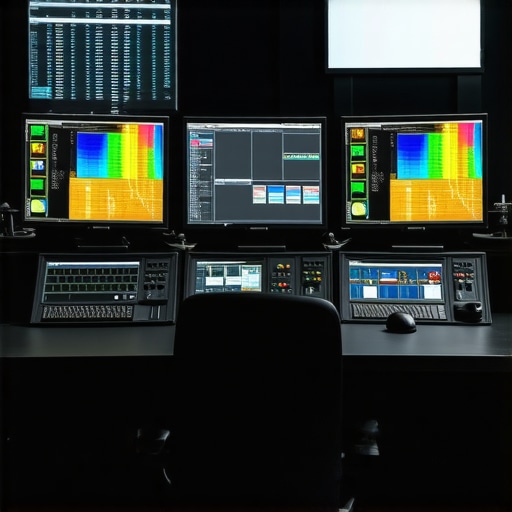
![3 Calibrated Monitors That Solve 2026 OLED Black Crush [Tested]](https://monitors.workstationwizard.com/wp-content/uploads/2026/03/3-Calibrated-Monitors-That-Solve-2026-OLED-Black-Crush-Tested.jpeg)