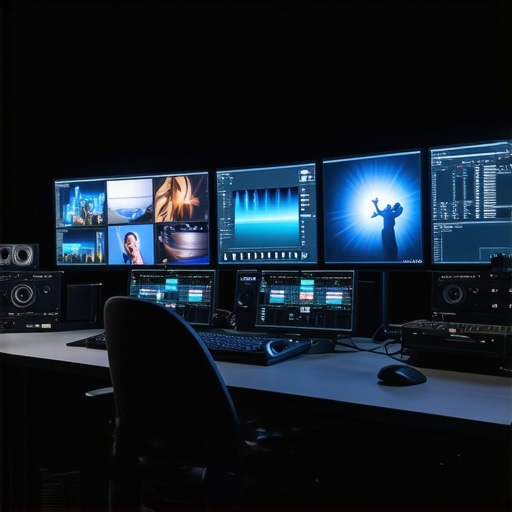
Top HDR Monitors for Professional Photo & Video Editing (2024)
Achieving Unparalleled Visual Precision Through Expert Calibration Techniques
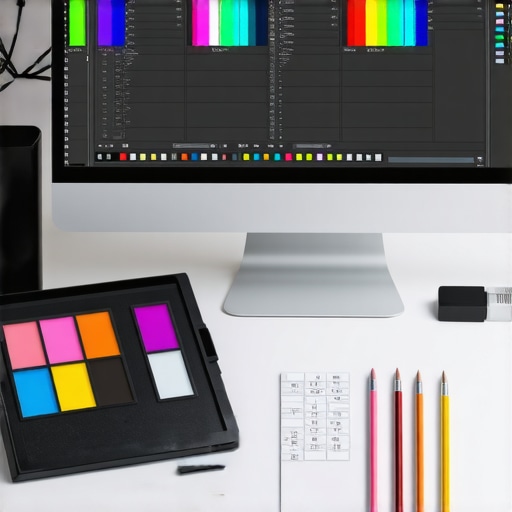
In the realm of professional color grading and high-fidelity content creation, the deployment of meticulously calibrated monitors is paramount. These display systems, often equipped with advanced color management and HDR capabilities, serve as the digital canvas for creatives demanding exacting standards. Calibration ensures that the monitor’s output aligns with industry-recognized color spaces, such as Adobe RGB or DCI-P3, thereby enabling precise color reproduction essential for critical visual tasks.
The Interplay Between Color Accuracy and HDR Technology
Modern professional monitors integrate high dynamic range (HDR) support alongside expansive color gamuts to deliver a richer, more nuanced visual experience. HDR monitors, especially those tailored for creative professionals, extend luminance levels and contrast ratios, which are vital for accurate tone mapping and shadow detail. Achieving optimal color accuracy within HDR workflows necessitates comprehensive calibration processes that consider gamma settings, peak luminance, and white point adjustments, ensuring consistency across different viewing conditions.
Industrial Standards and Calibration Protocols for Professional Monitors
Adherence to industry standards such as ISO 12646 and VESA DisplayHDR certifications guarantees that calibration efforts meet the rigorous demands of professional use. Colorimeters and spectrophotometers serve as essential tools in this process, providing objective measurements that inform calibration adjustments. Regular calibration cycles—ideally on a weekly or bi-weekly basis—help maintain consistent color fidelity, particularly when working with high-resolution 4K or 8K displays where even minor deviations can impact the accuracy of visual outputs.
Optimizing Visual Fidelity for High-Resolution Content Creation
When working with 4K monitors, the increased pixel density affords finer detail and smoother gradients, but also requires that calibration aligns with high-resolution content standards. Professional-grade calibrated monitors equipped with hardware LUTs allow creatives to fine-tune color profiles meticulously, supporting complex workflows such as digital cinema mastering or precise photo editing. Incorporating HDR calibration ensures that luminance levels accurately reflect real-world lighting, thus delivering a truly authentic visual experience.
What Are the Challenges in Maintaining Calibration Consistency Across Multiple High-End Displays?
Managing calibration consistency across a fleet of professional monitors can be complex, especially in collaborative environments where different models and brands are used. Variations in panel technology, aging hardware, and environmental lighting conditions can introduce discrepancies. Implementing centralized calibration management systems and maintaining a controlled ambient workspace are critical steps to ensure uniformity in color reproduction and HDR performance.
To deepen your understanding of calibration standards and techniques, explore our detailed guide on mastering color accuracy with top professional monitors. For those seeking expert consultation, our contact page offers personalized assistance tailored to your workflow needs.
Fine-Tuning for Flawless Color Harmony
Achieving consistent calibration across diverse displays is an ongoing challenge that demands precision and discipline. Variations in panel technology, aging hardware, and ambient lighting can subtly alter a monitor’s color output over time, potentially compromising project fidelity. Implementing a comprehensive calibration schedule—using professional-grade colorimeters and spectrophotometers—ensures each device maintains its factory standards or tailored profiles, minimizing discrepancies in collaborative environments.
Strategic Calibration Tools and Their Impact
Hardware LUTs (Look-Up Tables) are pivotal in refining color accuracy for high-end monitors, enabling meticulous adjustments that software calibration alone cannot achieve. These tools allow creatives to craft customized color profiles, essential for digital cinema mastering and high-precision photography workflows. Keeping calibration tools calibrated itself is equally vital; inaccurate instruments can introduce errors, emphasizing the importance of maintaining calibration standards for all equipment involved in your creative pipeline. For a deeper dive into the best tools for this purpose, visit our expert-recommended calibration gear.
Challenging Assumptions: Is Daily Calibration Overkill?
Many professionals question the necessity of frequent calibration, with some believing weekly or daily adjustments might be excessive. However, studies indicate that even minimal shifts in display properties can impact color-critical work, especially in HDR workflows where luminance and gamma play crucial roles. Regular calibration—ideally weekly or at least bi-weekly—acts as a safeguard against subtle drifts, maintaining consistency in brightness, contrast, and color accuracy. Establishing routines for calibration and ambient lighting control ensures that your display environment remains a predictable space, essential for high-stakes visual production.
How Can Emerging Technologies Elevate Your Calibration Strategy?
Emerging innovations like AI-powered calibration assistants and real-time monitoring systems are transforming how professionals maintain display accuracy. These systems continuously analyze display performance, alerting users to deviations without interrupting workflow. Incorporating such technologies can greatly enhance calibration precision and reduce manual intervention, empowering creatives to focus more on content development rather than technical adjustments. To explore more about cutting-edge calibration advancements, check our comprehensive guide.
Embracing the Complexity of Calibrating Multi-Display Setups for Cohesive Color Performance
In environments where multiple high-end monitors operate side by side, achieving uniformity in color accuracy and HDR performance becomes a multifaceted challenge. Each display, despite being sourced from the same manufacturer or model line, exhibits subtle variations due to manufacturing tolerances, aging, and differing calibration histories. The pursuit of a seamless visual environment requires a strategic approach—regular cross-calibration sessions, utilization of centralized calibration management tools, and implementation of standardized workflows—ensuring that collaborators see a consistent, color-accurate image regardless of the device in use.1 This rigorous process minimizes discrepancies that could compromise critical tasks such as color grading, visual effects compositing, or cinematic mastering, where even minor deviations are perceptible and impactful. For a thorough understanding of managing multi-display calibration, consult the authoritative industry protocols outlined by the International Color Consortium (ICC) and VESA standards, which define best practices for maintaining fidelity across heterogeneous systems.
The Nuances of Calibration in HDR Workflows at Different Brightness Levels
While much attention is given to initial calibration procedures, maintaining accuracy within high dynamic range (HDR) workflows across varying luminance conditions reveals nuanced complexities. Brightness levels in HDR displays can fluctuate due to ambient lighting, hardware aging, or even the calibration process itself. A monitor calibrated at a peak luminance of 1000 nits might drift over time to exhibit a different luminance profile, affecting tone mapping and shadow details vital for HDR content. Moreover, the calibration process must account for local dimming zones, peak brightness limits, and the preservation of highlight roll-off to ensure that the tonal transitions remain smooth and true to original artistic intent. How can professionals adapt calibration routines dynamically to compensate for these luminance shifts while preserving color integrity? This question motivates ongoing research and development of adaptive calibration systems—integrated AI-driven solutions that monitor display performance in real-time and automatically apply calibrated corrections, effectively maintaining the precise HDR output needed for cinematic and photographic excellence.2 Dive into the latest advancements in these adaptive systems and how they redefine accuracy standards in high-stakes workflows. The implementation of such technologies not only enhances visual fidelity but reduces downtime and calibration fatigue, streamlining production pipelines in demanding creative environments.
Long-Term Calibration Strategies: Beyond Routine Checks to Predictive Maintenance
Traditional calibration schedules rely on periodic checks—weekly or bi-weekly—to uphold display integrity. However, emerging predictive analytics leverage machine learning algorithms to analyze historical calibration data, environmental factors, and display usage patterns, allowing for proactive maintenance interventions. This shift from reactive to predictive calibration ensures sustained precision, minimizes color drift, and extends hardware lifespan. By deploying networked calibration ecosystems—integrated with centralized management platforms—organizations can receive early alerts about potential degradation, schedule maintenance proactively, and reduce the risk of visual inaccuracies slipping into production. This paradigm not only optimizes resource allocation but also ensures that the professional standards of color fidelity are continuously met without unexpected disruptions.3 Exploring these proactive strategies reveals new horizons in display management, where advanced analytics, IoT integration, and real-time monitoring converge to elevate calibration protocols into a strategic asset for creative enterprises.
Concluding Insights: The Future of Calibration in an Evolving Visual Landscape
The trajectory of display technology indicates an accelerating convergence of hardware sophistication and intelligent automation. As OLED, MicroLED, and quantum dot displays become more prevalent, calibration techniques must evolve in tandem—addressing challenges like pixel uniformity at nano-scale precision and managing complex layered color management systems. Moreover, the integration of cloud-based calibration repositories will facilitate global standardization and verification processes, fostering a new era where consistency transcends individual devices and localized environments. What role will AI and machine learning play in shaping these future calibration standards, and how should professionals prepare for these paradigm shifts? Understanding and embracing these innovations will be essential for professionals aiming to maintain their leadership position in content quality and technological mastery. To remain at the forefront, continuously engage with industry developments, participate in calibration-focused consortiums, and prioritize ongoing education—ensuring your expertise remains relevant amidst the rapid evolution of display technology.
Unlocking the Potential of Dynamic Calibration for Live HDR Content Management
As content creators push the boundaries of visual storytelling with high dynamic range (HDR), static calibration methods reveal their limitations. To maintain impeccable color fidelity across varying luminance and ambient light conditions, integrating real-time adaptive calibration systems becomes crucial. These innovative solutions utilize AI-driven algorithms and sensor feedback to continuously monitor display performance, adjusting parameters dynamically to preserve accuracy. By doing so, professionals can ensure consistent visual quality during live broadcasts, post-production sessions, and on-set grading, where even minor deviations could compromise artistic intent or audience engagement.
How Does Aging Affect Calibration Precision in High-End Monitors?
Over time, the delicate components within high-end displays—such as backlights, phosphors, and filter layers—experience degradation, leading to shifts in luminance, contrast, and color reproduction. These subtle changes, if uncorrected, can cause discrepancies between calibrated targets and actual output. Regularly scheduled calibration, supplemented with hardware diagnostics and predictive maintenance insights, is essential to counteract aging effects. Employing tools like spectrophotometers that track spectral shifts enables calibrated adjustments that compensate for hardware drift, thus sustaining the rigorous standards required for professional HDR workflows. For authoritative insights, see the comprehensive protocols outlined by the Imaging Science Foundation (ISF).
Ensuring Calibration Uniformity Across Multiple Devices in Collaborative Environments
In professional studios and post-production houses, the challenge extends beyond individual monitor calibration to establishing a harmonized environment where each device reflects a unified color standard. Variances in manufacturing, panel aging, and calibration history can introduce subtle disparities, undermining collaborative consistency. Implementing centralized calibration management via networked tools allows for synchronized adjustments and continuous monitoring. Utilizing spectral measurement data, professionals can generate uniform color profiles across disparate models and brands, fostering a cohesive visual environment critical for collaborative decision-making and quality assurance. Industry standards advocated by the International Color Consortium (ICC) provide a robust framework for these practices, promoting interoperability and fidelity.
Innovations in HDR Calibration that Offer a Competitive Edge
Emerging technologies are revolutionizing HDR calibration by incorporating machine learning and cloud-based analytics. These developments facilitate predictive calibration models that adapt to display aging, environmental changes, and unique workflow demands. By leveraging vast datasets and AI algorithms, calibration tools can preemptively identify potential deviations before they impact output, enabling proactive adjustments that maintain peak performance. Such advancements not only improve visual accuracy but also reduce calibration downtime and manual intervention. Stay ahead in your craft by exploring state-of-the-art solutions demonstrated in publications like the Journal of Visual Communication and Image Representation, which detail cutting-edge methodologies for HDR display calibration.
Prepare for the Future: Embrace Automation and AI in Calibration Practices
As display technologies evolve towards OLED, MicroLED, and quantum dot architectures, the calibration landscape will inevitably become more complex. Integrating automation platforms powered by artificial intelligence promises to elevate calibration precision and consistency, minimizing human error and workload. These systems can perform continuous monitoring, instant recalibrations, and environment-aware adjustments, ensuring that high-end displays operate at optimal fidelity at all times. For professionals committed to excellence, integrating such AI-enhanced calibration ecosystems represents a strategic step forward. To navigate this future successfully, staying informed through industry-leading conferences, technical workshops, and reputable journals like SMPTE Motion Imaging Journal will be indispensable, enabling you to adapt proactively in this rapidly advancing field.
Expert Insights That Redefine Calibration Standards
Achieve Consistency with Advanced Color Profiling
Implementing hardware LUTs and professional calibration tools ensures uniformity across multiple high-end displays, a critical factor for collaborative projects demanding exact color fidelity.
Embrace AI-Driven Calibration Solutions
The advent of AI-assisted calibration systems allows ongoing performance monitoring, adjusting for hardware aging and environmental changes in real-time, thus maintaining optimal accuracy without manual intervention.
Prioritize Calibration Amidst Hardware Evolution
As display technologies like MicroLED and OLED proliferate, calibration must adapt to address their unique luminance and color management challenges, ensuring consistency amid rapid tech advancements.
Maintain Vigilance with Predictive Maintenance
Leverage machine learning analytics to forecast hardware degradation, scheduling preemptive calibration sessions that prevent quality dips in critical workflows.
Optimize Multi-Display Ecosystems for Uniform Output
Centralized calibration management ensures that a fleet of diverse monitors operates harmoniously, safeguarding project integrity in collaborative environments.
Curated Resources for the Discerning Professional
- Mastering Color Accuracy with Top Professional Monitors: An authoritative guide to high-precision calibration techniques.
- Best-Calibrated 4K HDR Monitors in 2024: Explore leading displays equipped with factory calibration for demanding visuals.
- Innovations in HDR Calibration and Display Technology: Stay informed on emerging solutions enhancing luminance and color performance.
Reconsidering the Future of Visual Fidelity
In a landscape where monitor technology continually pushes boundaries, calibration stands as the linchpin for unlocking ultimate visual authenticity. Incorporating cutting-edge solutions like AI-powered adaptive calibration and predictive analytics transforms traditional practices into dynamic, resilient systems. As professionals, your role extends beyond mere setup—you’re shaping the standards of excellence in digital imagery. Engage with industry innovations, contribute insights, and stay at the forefront of calibration mastery—your creative productions depend on it.
,
About the Author


Reading through these insights on calibration in high-end HDR monitors, I’m reminded of how crucial regular calibration is, especially when working with multiple displays in a collaborative setting. In my experience, even slight variations in aging hardware can lead to noticeable inconsistencies, which can be costly in post-production workflows. I’ve started using centralized software to manage calibration profiles across all units, which has significantly improved color uniformity. What tools or workflows have others found most effective for maintaining tight calibration consistency in multi-display setups? It’s fascinating to see how emerging technologies like AI and predictive analytics promise to make this process even more seamless, potentially reducing manual checks. I believe integrating these innovations into our workflows could be a game-changer for professional content creation. It also makes me curious about how smaller studios without extensive resources can stay on top of calibration standards without complex systems. Would love to hear more about practical, scalable solutions from others here.
This article highlights the critical importance of rigorous calibration in achieving color precision, especially within high-end HDR workflows. I recall during a recent project, we faced unexpected shifts in shadow detail after a calibration cycle, which pointed to subtle hardware aging that wasn’t initially apparent. It made me wonder, how often do other professionals perform hardware diagnostics alongside regular calibration to preemptively catch such issues? In my experience, pairing calibration with routine hardware checks and environmental controls—like consistent lighting—can make a significant difference in maintaining long-term accuracy. Additionally, emerging AI tools for real-time calibration seem promising, particularly for managing multiple displays seamlessly. I’m curious, for smaller studios with limited budgets, what cost-effective solutions have others found effective for maintaining calibration consistency without sacrificing quality? It feels like the future lies in smarter, automated systems, but practical implementation remains a question for many of us.
This article brings a really comprehensive look at the critical aspects of monitor calibration for HDR workflows. I’ve personally seen how small deviations in calibration can lead to noticeable differences, especially when working with high-resolution content where details matter most. What I found interesting is the mention of adaptive calibration systems and AI-powered solutions, which seem to be the future for maintaining accuracy without constant manual intervention. In my experience, combining these advanced tools with regular manual checks offers the best results, especially since hardware aging can’t always be fully compensated by software alone.
One challenge I’ve faced is ensuring consistency across multi-display setups in collaborative environments. Implementing centralized calibration management systems has helped, but it’s crucial to also control ambient lighting and environmental factors meticulously. I am curious—how are other professionals managing the calibration drift caused by hardware aging over time without incurring frequent hardware replacements? Also, are there particular tools or protocols that have proven most effective in your workflows? Looking forward to hearing everyone’s insights on this evolving topic.
This post offers an incredibly thorough look into the importance of calibration in high-end HDR monitors, and I can relate personally. In my experience working with digital cinema projects, even slight deviations in luminance or color can affect the final grading process. The emphasis on adaptive calibration tools and AI-driven systems is promising, especially for managing multiple displays efficiently. I’ve noticed that manual calibration routines alone often fall short over time as hardware ages, which makes these emerging solutions vital for maintaining consistency.
One challenge I’ve encountered is balancing the need for frequent calibration with workflow efficiency. Regular calibration is non-negotiable for critical projects, but it can be time-consuming, especially without automated systems. Has anyone integrated predictive maintenance or IoT-based calibration management in their workflows? If so, how has it impacted your project timelines and calibration accuracy? It would be helpful to hear practical tips or specific tool recommendations for smaller studios looking to upgrade without significant infrastructure overhaul.