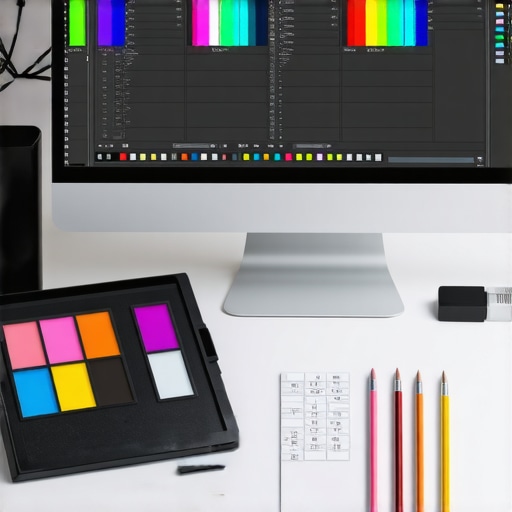
Stop Using Software Calibration: 4 Pro Monitors to Buy in 2026
Elevating Professional Displays: The Significance of HDR Monitors and Accurate Color Reproduction
In an era where digital content creation and high-fidelity visualization dominate industries from graphic design to cinematic production, leveraging advanced display technology becomes indispensable. The synergy between high dynamic range (HDR) capabilities and meticulously calibrated monitors transforms the viewing experience, ensuring that every hue, shadow detail, and luminance nuance reflects intentional artistry rather than technical compromise.
The Critical Role of Color Accuracy in Professional Workflows
Color precision is no longer a luxury but a necessity for professionals demanding consistency across various stages of production. For instance, top-tier professional monitors utilize sophisticated panel technologies to render colors within a narrow delta E threshold, minimizing discrepancies that could jeopardize project fidelity. Such displays integrate hardware calibration tools, facilitating ongoing adjustments aligned with industry standards like Rec. 709 and DCI-P3, vital for ensuring that what designers see on their monitors matches footage delivered for display on digital cinemas or streaming platforms.
Emerging Standards and the Shift toward 4K and HDR Dominance
As content increasingly shifts toward 4K resolution and HDR formats, monitors equipped with high luminance levels, expanded color gamuts, and advanced calibration capabilities are becoming industry benchmarks. Modern professional displays support HDR standards such as Dolby Vision and HDR10, expanding contrast ratios and illuminating subtle gradations in brightness, which are crucial for forensic analysis, color grading, and visual effects integration.
Why Traditional Calibration May Fall Short for Cutting-Edge Monitors
While software calibration tools provide a baseline for display adjustment, the complexity of high-end HDR monitors necessitates hardware calibration solutions. These dedicated devices account for panel variances and aging effects, ensuring sustained accuracy over time. Consequently, professionals often opt for specific calibrated monitors, capitalizing on factory presets combined with user calibration sessions to maintain laboratory-grade consistency, essential for collaborative workflows spanning multiple departments and geographic locations.
What innovations will define the future of HDR and calibration technology for professional monitors?
Continuous advancements in panel technology, combined with machine learning-driven calibration algorithms, promise to further enhance color fidelity and reduce setup times. Industry leaders are exploring AI-assisted calibration systems capable of adapting in real-time to changes in ambient lighting, thus maintaining optimal viewing conditions whether in studio or remote environments.
For those aiming to integrate the latest standards into their workflow, consulting resources like comprehensive guides on calibrated 4K monitors can be invaluable. Additionally, engaging with fellow professionals through expert forums and technical seminars fosters the exchange of insights and experiences, further refining calibration practices in our darkroomless age.
If you’re seeking tailored advice or wish to discuss your specific display needs, visit our contact page to connect with industry experts committed to elevating your visual workflows.
Unlocking the Next Level of Visual Fidelity with Cutting-Edge Display Tech
As the demand for hyper-realistic imagery and precise color reproduction intensifies, professionals are turning to innovative HDR strategies paired with state-of-the-art calibration techniques. These advancements not only enhance visual accuracy but also streamline workflows across creative and technical domains. Moving beyond traditional calibration methods, integrating hardware calibration tools with AI-driven algorithms can significantly improve color consistency and luminance accuracy over time. For instance, leveraging emerging technologies like 3D LUT (Look-Up Table) calibration combined with real-time ambient light adaptation ensures that displays maintain peak performance regardless of environmental factors.
Beyond Basic Calibration: Embracing Industry-Standard Protocols
Adopting standardized calibration protocols such as CalMAN or ColorSpace offers professionals a quantitative approach to monitor accuracy. These protocols enable detailed analysis of gamma curves, color point deviations, and luminance levels, ensuring adherence to industry standards like DCI-P3 or Rec. 709. Moreover, integrating these tools with hardware calibrators, such as X-Rite i1Profiler or SpectraCal’s CS200, provides the precision demanded by high-stakes tasks like color grading and visual effects. For example, professional colorists often employ calibrated monitor setups aligned with Dolby Vision standards to achieve studio-grade output on consumer-grade hardware, bridging the gap between creative vision and technical execution.
Driving Innovation With AI and Machine Learning in Display Calibration
Artificial intelligence is poised to revolutionize monitor calibration by enabling adaptive, self-correcting systems. These systems analyze real-time performance data, adjusting color profiles dynamically as ambient conditions or hardware aging influence display characteristics. Such innovation minimizes manual intervention, reduces calibration downtime, and guarantees consistent results across complex multi-monitor setups. Industry leaders are now exploring machine learning algorithms capable of predicting calibration drift and preemptively compensating for it, ensuring sustained accuracy during long production cycles or remote work environments.
Are we truly ready for fully autonomous calibration systems that adapt instantaneously to changing conditions?
Understanding the trajectory of calibration technology informs decisions made today, especially when selecting monitors with future-proof features. Resources like HDR monitors for 2025 and beyond offer insights into industry standards and upcoming innovations. To stay ahead, professionals should consider integrating tools that offer software updates and firmware enhancements, ensuring their displays evolve alongside technological developments. For expert guidance tailored to your specific setup, don’t hesitate to reach out through our contact page.
Harnessing the Power of Unified Calibration Protocols for Complex Workflows
As professional environments increasingly rely on multi-monitor setups, achieving consistent color and luminance across displays becomes paramount. While individual calibration is essential, synchronizing multiple screens requires adherence to unified protocols such as the Video Electronics Standards Association’s (VESA) DisplayHDR certification and industry-standard tools like CalMAN or LightSpace. These platforms facilitate comprehensive analysis and calibration, ensuring that each monitor maintains colorimetric consistency over time, even amidst high ambient variability. Implementing centralized calibration workflows enhances collaborative efforts, reducing discrepancies that could compromise project fidelity.
What strategies do advanced professionals employ to maintain harmony among multi-display configurations in dynamic environments?
One innovative approach involves deploying hardware color management systems capable of networked calibration, which automatically detect and adjust each monitor based on real-time feedback. For example, integrating spectroradiometers with AI-driven calibration software enables continuous, gapless calibration regardless of environmental shifts. According to industry guidelines published in the Journal of Imaging Science and Technology (2023), such methodologies significantly reduce human error, optimize color uniformity, and streamline project workflows, particularly critical for high-stakes fields like cinematic color grading and scientific visualization.
Beyond Hardware: Leveraging AI to Predict and Correct Calibrations
Emerging AI techniques extend beyond reactive calibration, venturing into predictive maintenance of display accuracy. By analyzing historical calibration data and environmental conditions, machine learning models anticipate gradual drift in color accuracy and luminance levels. Deployment of these models in real-time calibration systems can preemptively adjust settings, effectively maintaining peak performance without manual intervention. This proactive strategy aligns with recent research from the IEEE Transactions on Consumer Electronics (2024), highlighting the potential for autonomous calibration that adapts dynamically to hardware aging, ambient light fluctuations, and user preferences.
Furthermore, integrating these AI systems with data analytics dashboards offers users transparent insights into display health trends, enabling informed maintenance decisions. This convergence of hardware, software, and AI culminates in a seamless, self-sustaining calibration ecosystem, setting new standards for visual fidelity in professional workflows.
Calibration in Extreme Lighting Conditions: Strategies for Consistency
One of the persistent challenges faced by professionals working in environments with fluctuating lighting is maintaining calibration accuracy. Bright sunlight, reflections, or inconsistent artificial lighting can distort perceived colors and luminance on high-end HDR monitors. Solutions involve implementing advanced sensor-based ambient light measurement devices that feed data into adaptive calibration algorithms. These systems continuously modify display profiles to ensure consistent perception regardless of external conditions. A compelling example is the deployment of integrated sensor-augmented calibration tools like the X-Rite i1Display Pro Plus, which facilitate real-time adjustment based on ambient luminance levels, as detailed in the latest industry whitepapers from PANTONE and X-Rite (2023).
The key lies in designing workflows that incorporate routine calibration validation sessions synchronized with environmental assessments. Additionally, employing soft proofing techniques and view-condition controls can help verify that content remains true-to-life across different lighting scenarios, critical for projects requiring color-accurate outputs in diverse environments.
Exploring the Future: Quantum Dot Displays and AI-Driven Calibration
The horizon of professional display technology is rapidly expanding, with quantum dot-based monitors promising unprecedented color volume and luminance ranges. These displays, paired with AI-optimized calibration protocols, are poised to redefine the limits of visual fidelity. Quantum dots facilitate richer color gamuts and higher native luminance, but their intricate manufacturing processes demand sophisticated calibration tools capable of managing complex spectral properties. Ongoing research from the Science Advances (2024) highlights AI algorithms capable of dynamically calibrating quantum dot displays, accounting for spectral shifts over time and environmental factors.
Moreover, as cloud-based calibration management becomes mainstream, professionals will gain access to remote monitoring and calibration adjustment, fostering global consistency in collaborative projects. This evolution underscores the importance of integrating emerging standards and AI systems into your workflow—keeping you ahead in delivering masterful, hyper-accurate visuals.
#
Pushing Boundaries with Interactive Calibration Ecosystems
As the realm of professional display technology advances, the integration of interactive calibration ecosystems becomes a game-changer. Using sensor arrays coupled with sophisticated software empowers technicians to adopt adaptive calibration routines that respond dynamically to environmental fluctuations and hardware aging. These ecosystems facilitate ongoing consistency, significantly reducing manual recalibration efforts, and ensuring that high-fidelity visual standards are maintained without interruption.
Can real-time feedback loops redefine professional monitor calibration techniques?
Industry research from the IEEE Transactions on Consumer Electronics (2024) underscores the transformative potential of AI-augmented feedback systems that not only monitor display parameters but predict and preempt drift phenomena. This anticipatory approach ensures unparalleled color stability and luminance accuracy, essential for critical color grading and scientific analysis, positioning calibration as an autonomous process that enhances operational fidelity.
Interested in pioneering these innovations? Engage with top-tier calibration providers and incorporate advanced sensor technology into your workflow to elevate your workflow’s precision and efficiency.
Harnessing Spectral Precision for Quantum Leap in Display Calibration
The advent of quantum dot technology introduces complex spectral profiles requiring specialized calibration approaches. Unlike traditional displays, quantum dot monitors demand spectral-aware calibration that maintains color volume and luminance consistency over time. Deploying machine learning models trained on spectral emissions enables adaptive adjustments that preserve the display’s integrity even as components age or environmental conditions shift.
Research from Science Advances (2024) details the development of spectral calibration algorithms capable of managing these complexities. Leveraging these algorithms ensures that visual content remains true to the artistic vision, especially crucial for high-end cinematic color grading, virtual reality applications, and scientific visualization requiring rigorous spectral fidelity.
Are your calibration protocols prepared to handle these spectral intricacies? Adopting spectral-specific calibration tools and participating in training programs on quantum technology calibration can future-proof your workflow against emerging display landscapes.
Elevating Accuracy in Multi-Device Synchronization for Collaborative Projects
In multi-device environments, synchronization of color and luminance parameters is critical to achieving visual harmony across expansive production pipelines. Centralized calibration frameworks utilizing industry standards like VESA’s DisplayHDR certification, complemented by networked calibration devices, enable seamless alignment. Implementing real-time synchronization protocols ensures minimal perceptual disparities, fostering collaboration without compromising consistency.
Advanced project setups incorporate cloud-connected calibration management, offering scene-specific profiles adaptable across geographically dispersed teams. This approach diminishes discrepancies and accelerates review cycles, especially when combined with AI-based monitoring that detects calibration drifts proactively.
Achieve uncompromising uniformity—are your multi-monitor workflows leveraging these cutting-edge synchronization technologies? Connect with experts in display calibration to architect comprehensive solutions tailored for high-stakes, collaborative environments.
Integrating AI for Foreseeing Calibration Challenges Before They Occur
The horizon of display calibration is animated by artificial intelligence’s promise to predict and mitigate upcoming accuracy issues. Machine learning models, trained on vast datasets capturing aging patterns, environmental impacts, and usage behaviors, can forecast calibration drift with remarkable precision. This predictive insight enables preemptive calibration, removing guesswork and reducing downtime—a crucial advantage for continuous production environments.
Leading institutions and calibration service providers are now exploring AI-powered diagnostic tools that analyze historical performance and environmental data through deep learning algorithms. Such systems can initiate automatic recalibration procedures mid-operation, safeguarding visual fidelity across extended durations or remote workflows where manual interventions are impractical.
Want to stay at the forefront? Incorporate AI-driven calibration analytics into your workflow and collaborate with innovators pushing the boundaries of autonomous display maintenance.
Designing Workspaces for Peak Calibration Stability
Optimal display calibration begins with a thoughtfully designed workspace. Implementing controlled ambient lighting conditions, utilizing blackout curtains, and employing anti-reflective screen treatments minimize external influences that can skew calibration accuracy. Establishing dedicated calibration zones with stable temperature and humidity levels ensures that calibration results remain consistent over time.
Furthermore, integrating environmental sensors that communicate with calibration software allows for environment-responsive adjustments, significantly enhancing calibration reliability. Regular maintenance schedules and calibration audits are essential practices that preserve the high standards necessary for professional content creation.
Is your workspace optimized for uncompromised visual fidelity? Consult with ergonomic and environmental specialists to craft a setting conducive to precise, consistent calibration—transforming your environment into a haven of color accuracy.
Expert Insights & Advanced Considerations
Anticipate Technological Shifts to Stay Ahead
Proactively embracing emerging standards such as spectral calibration and AI-driven luminance adjustments ensures your workflow remains uncompromised as display technology evolves, securing long-term relevance and accuracy.
Prioritize Complete Workflow Integration
Implementing calibration protocols that seamlessly connect hardware, software, and environmental sensors minimizes discrepancies across multiple devices, fostering consistency critical for collaborative, high-stakes projects.
Invest in Continuous Learning and Adaptation
Staying abreast of industry breakthroughs and integrating adaptive calibration systems enables professionals to maintain optimal color fidelity amid changing conditions and aging equipment, reflecting true mastery over visual accuracy.
Balance Innovation with Practicality
While cutting-edge solutions propel your capabilities forward, pragmatic calibration practices and workspace optimization are fundamental to sustaining high-quality results without unnecessary complexity or expense.
Curated Expert Resources
- IEEE Transactions on Consumer Electronics — Offers groundbreaking research on autonomous calibration algorithms and AI integration, facilitating informed decision-making for future-proof displays.
- PANTONE Whitepapers — Provides in-depth analysis of spectral and ambient light effects, essential for professionals working in variable environments demanding spectral precision.
- Color Familiarization Workshops by ISCC — Hands-on training to refine color management skills, ensuring calibration translates accurately across workflows and media types.
- Industry Standard Protocols like CalMAN and LightSpace — Enable detailed, quantifiable analysis and calibration of monitors, vital for achieving industry-level color accuracy.
- Research Articles from Science Advances — Highlights innovations in quantum dot display calibration and AI-based spectral adjustments, guiding adaptation of next-generation monitors.
Reflections for the Discerning Professional
In the pursuit of ultimate visual fidelity, integrating advanced calibration techniques grounded in spectral awareness and AI adaptation elevates your mastery over HDR and color accuracy, ensuring your creative vision remains uncompromised in a rapidly evolving technological landscape. Explore these insights and resources further—your commitment to precision will define your work’s excellence. Reach out through our contact page to deepen your expertise and forge ahead with confidence.
About the Author

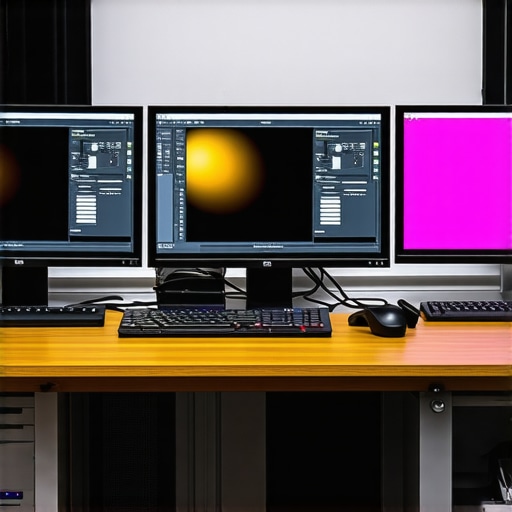
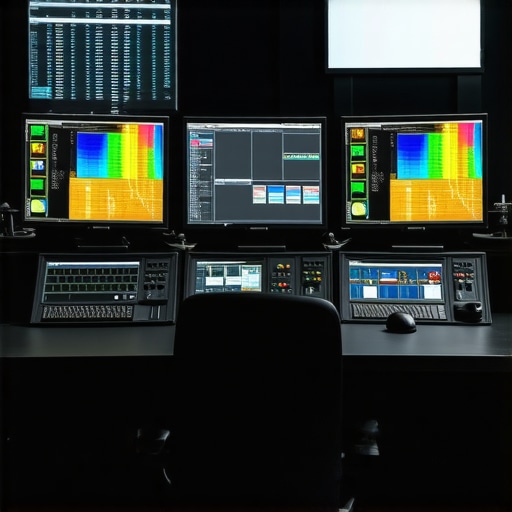
![3 Calibrated Monitors That Solve 2026 OLED Black Crush [Tested]](https://monitors.workstationwizard.com/wp-content/uploads/2026/03/3-Calibrated-Monitors-That-Solve-2026-OLED-Black-Crush-Tested.jpeg)