Stop 12-Bit Banding: 5 Calibrated Monitors for 2026 Film Grades
Unveiling the Critical Role of Calibrated Monitors in Professional Content Creation
In today’s hyper-competitive visual industries, the quest for impeccable color accuracy has become a defining factor distinguishing top-tier professionals. Calibrated monitors serve as the cornerstone of this pursuit, ensuring that colors are rendered precisely and consistently across diverse workflows. For photographers, videographers, and designers, understanding the nuances of calibration and hardware capabilities is essential to avoid costly misjudgments that can compromise the integrity of visual projects.
Why Hardware Calibration Is Non-Negotiable for Color-Intensive Tasks
Unlike software-based adjustments, hardware calibration directly modifies the monitor’s internal color processing, resulting in true, repeatable accuracy. Expert workflows—such as mastering HDR content or grading for digital cinema—demand displays capable of consistent performance at high bit-depths, including 10-bit and 12-bit color depths. This ensures smooth gradients without posterization, which is vital in avoiding visual artifacts like banding or color shifts during critical editing stages.
The Enhance of HDR Monitors for Dynamic Range Mastery
The evolution of HDR technology demands monitors with not only high peak brightness, such as 1000 nits or more, but also exceptional color fidelity. Monitors equipped with advanced local dimming and high bit-depth support enable accurate reproduction of highlights and shadows, revolutionizing post-production precision. Being aware of the limitations—like false peak brightness claims—is necessary for professionals committed to true color representation.
Is 4K Resolution Sufficient for Accurate Workflow Precision? Consider the Details
While 4K monitors offer undeniable detail and workspace advantages, their effectiveness hinges on calibration and panel quality. A 4K resolution provides higher pixel density, which is advantageous in detailed tasks such as color grading and retouching. Nevertheless, resolution alone does not guarantee accuracy; panel uniformity, factory calibration quality, and hardware capabilities (like quantum dots or OLED technology) substantially impact final output fidelity.
Can Color Gamut Coverage Guarantee Project Success?
Professional grade monitors often boast wide color gamuts—such as DCI-P3 or Rec. 2020—crucial for achieving industry-standard color spaces. However, it is vital to recognize that coverage alone doesn’t ensure accuracy; calibration and validation against professional test patterns lay the foundation for trustworthiness. Expert workflows require regular calibration cycles and attentiveness to potential gray area in spectrum coverage, as some panels may oversell specifications.
How Do Calibrated Monitors Avoid Common Pitfalls Like Color Shifts and Brightness Fluctuations?
Meticulous calibration with hardware devices, such as colorimeters or spectrophotometers, enables consistent color rendition and brightness levels. Regular recalibration minimizes drift caused by panel aging or environmental factors, maintaining the integrity of professional workflows. It’s equally important to verify calibration results against authoritative standards, like those detailed in the top professional monitors guide.
For advanced practitioners, embracing comprehensive calibration strategies and investing in monitors with the right hardware specifications—such as hardware LUTs, high bit-depth support, and uniformity correction—is indispensable. Explore our latest selection of professional monitors to refine your workflow today. We also invite experienced users to share their calibration tips and insights in our community.
Push the Boundaries: Mastering Calibration for Ultimate Color Fidelity
While basic calibration sets a strong foundation, truly professional workflows demand an ongoing commitment to precision. Techniques such as utilizing hardware LUTs (Lookup Tables) enable fine-tuning of color responses at a granular level, ensuring that every nuance of tone and hue aligns with industry standards. For those seeking top-tier accuracy, integrating spectroradiometers into calibration routines offers the ability to measure and correct spectral emissions, critical for projects where color accuracy is paramount. To explore the best calibration tools and practices, consult our comprehensive guide on preventing color drift.
Can Real-Time Calibration Adjustments Guarantee Consistent Accuracy Throughout Long Projects?
Emerging calibration methods now offer real-time adjustments that accommodate environmental changes—such as ambient light fluctuations—that can influence display performance. Devices like hardware calibration engines integrated with software suites facilitate continuous feedback, allowing monitors to dynamically maintain precise color output during extended editing sessions. This approach not only mitigates drift but also streamlines workflows by reducing manual recalibration cycles. For professionals managing complex, color-critical projects, embracing these adaptive calibration solutions becomes a strategic advantage. To ensure your setup meets the latest standards, review the latest innovations in monitor calibration at our calibration technology reviews.
Understanding the nuances of hardware calibration and staying informed about the latest calibration methodologies are crucial for maintaining top-tier accuracy. Experts increasingly recommend regular validation with industry-standard test patterns and leveraging advanced calibration hardware—not just as a one-time fix but as part of an integrated workflow. Incorporating tools like spectral measurement systems can elevate your calibration process, ensuring that your displays consistently deliver trustworthy visuals that meet professional standards. For specialized workflows, exploring dedicated calibration hardware with built-in hardware LUTs and uniformity compensation is advisable; consider reviewing our latest professional-grade monitors designed for calibration to stay ahead. Our community of creators and technicians also shares valuable insights—join the discussion and elevate your calibration game.
Harnessing Hardware-LUTs for Unparalleled Color Precision
While basic calibration aligns your display with industry standards, integrating hardware Lookup Tables (LUTs) takes color management to an entirely new level. These high-precision matrices enable meticulous adjustment of the monitor’s color output, effectively neutralizing device-specific inconsistencies and ensuring uniformity across multiple displays. Professional color grading workflows, especially in cinematic post-production, benefit immensely from this approach, as it guarantees that every hue and shade remains consistent regardless of the project stage or playback device.
How Can Spectroradiometry Deepen Your Calibration Confidence?
Spectroradiometers, capable of measuring spectral emissions with high accuracy, provide an essential layer of validation that transcends typical colorimeter readings. By analyzing the spectral power distribution of your display, professionals can identify subtle spectral shifts that might induce color inaccuracies unseen by conventional tools. Incorporating spectral data into your calibration routine allows for precise correction of spectral emissions, aligning your monitor’s output with the true color spectrum required in critical applications like digital archiving and high-fidelity print production. For more in-depth insights, consult the authoritative work of the Society of Spectral Measurement.
Dynamic Calibration in Variable Lighting Environments
Ambient light has historically been an uncontrollable variable that influences perceived color fidelity. Advanced calibration systems now offer real-time, adaptive adjustment capabilities that respond to changing environmental conditions. These systems employ sensors to detect ambient illumination and automatically fine-tune display parameters, maintaining consistent color and brightness levels. Such technology is especially valuable for professionals working in studios, outdoor locations, or multi-screen setups where lighting conditions are unpredictable. Embracing these solutions ensures your visual output remains accurate, preventing color shifts that could compromise project integrity.
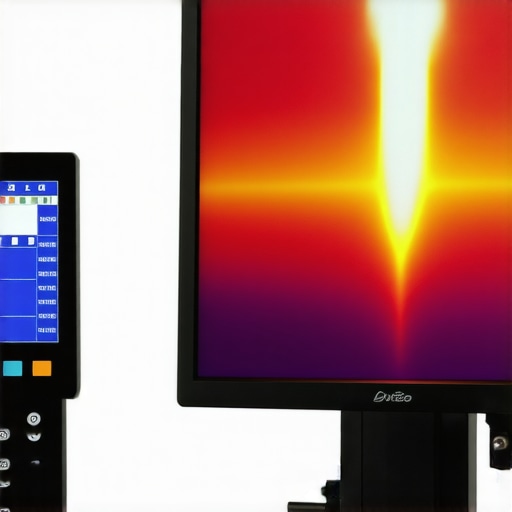
Visual schematic of a sensor-enabled monitor adjusting display settings in real-time based on ambient light detection
Implementing Consistent Calibration Cycles for Long-Term Accuracy
Even the most advanced calibrations can drift over time due to panel aging, environmental factors, or hardware component shifts. Establishing regular calibration schedules—be it weekly, monthly, or aligned with project milestones—is vital for preserving color fidelity. Utilizing automation tools that trigger calibration routines ensures consistency without manual intervention, freeing creatives to focus on their craft while maintaining strict standards. Notably, leveraging cloud-based calibration management platforms enables remote monitoring and calibration history tracking, fostering an environment of ongoing precision and accountability.
What Role Do Industry Standards Play in Calibration Validation?
Adherence to established standards such as those from the International Color Consortium (ICC) and the International Telecommunication Union (ITU) ensures that calibration practices meet global benchmarks. Validating your display against these standards involves cross-referencing calibration results with authoritative test patterns and spectral data, fostering confidence that your visual outputs align with industry expectations. Advanced calibration workflows incorporate these standards directly into hardware and software tools, streamlining compliance and elevating professional credibility.
Precision Beyond the Basics: Advanced Calibration Techniques for Visual fidelity
While standard calibration procedures lay a crucial foundation, gaining mastery over color accuracy involves exploring advanced methods that push beyond conventional limits. Techniques such as multi-point calibration, spectral profiling, and custom LUT creation enable professionals to tailor displays with exceptional granularity. These strategies are indispensable for tasks demanding uncompromised fidelity, including digital archival, high-end printing, and cinematic color grading, where marginal inaccuracies can lead to significant discrepancies.
Is Comprehensive Spectral Profiling the Future of Calibration?
Spectral profiling, which captures and corrects a display’s spectral emissions across the entire visible spectrum, offers unparalleled insight into color fidelity. By integrating spectroradiometric data into calibration workflows, practitioners can rectify subtle spectral shifts that everyday tools might overlook, ensuring that colors are reproduced identically across devices and mediums. This methodology is particularly vital for industries such as digital cinema or scientific imaging, where spectral precision directly impacts the integrity of the output.
How do professional-grade monitors leverage hardware Lookup Tables for unmatched accuracy?
Hardware LUTs (Lookup Tables) serve as complex correction matrices embedded within the display’s circuitry, allowing for simultaneous manipulation of color channels at a highly detailed level. This capability ensures that each displayed color conforms precisely to industry standards, eliminating the inconsistencies associated with software-only adjustments. In environments like multi-monitor post-production suites, hardware LUTs synchronize color reproduction across displays, establishing a unified visual standard essential for collaborative workflows.
Bringing Ambient Conditions into Calibration: Real-Time Adaptation
In dynamic work settings where ambient lighting fluctuates—such as outdoor shoots or varied studio environments—traditional calibration becomes insufficient. Adaptive calibration systems equipped with ambient light sensors continually monitor surrounding illumination levels, adjusting contrast and color temperature on the fly. This ongoing compensation preserves color accuracy and visual consistency, preventing perceptual shifts that could otherwise compromise creative decisions or critical review processes.
How Can Emerging AI Technologies Revolutionize Calibration Consistency?
Artificial intelligence-driven calibration tools are emerging as game-changers, capable of learning and predicting display behavior patterns over time. By analyzing real-time sensor data and historical calibration records, AI algorithms optimize display output dynamically, compensating for panel aging, temperature variations, and usage hours. Implementing such intelligent systems ensures that professionals maintain peak accuracy with minimal manual intervention, particularly beneficial for large-scale operations and facilities managing numerous displays simultaneously.
Engage with the Experts to Elevate Your Calibration Strategy
Integrating these advanced calibration techniques requires not only sophisticated hardware but also a profound understanding of color science and spectral data analysis. Collaborating with calibration specialists and utilizing cutting-edge tools can drastically improve the fidelity of your visual workflows. We invite professionals dedicated to excellence to explore our curated selection of calibration solutions and share insights in specialized forums—let’s redefine the boundaries of visual accuracy together.
Expert Insights & Advanced Considerations
Consistency Is Key for Color Reproduction
Achieving uniformity across multiple displays requires more than initial calibration; ongoing validation and adaptation are essential to prevent drift and ensure your work remains accurate over time.
Spectral Data Unlocks True Color Fidelity
Incorporating spectral measurement tools provides a deeper understanding of display emissions, enabling precise correction for even subtle spectral inaccuracies often overlooked by standard calibration methods.
Ambient Light Management Boosts Calibration Accuracy
Adaptive calibration systems that respond to environmental lighting conditions help maintain perfect color consistency, especially in variable studio or outdoor settings.
Hardware LUTs Elevate Color Precision
Utilizing hardware Lookup Tables allows for granular, device-specific corrections, resulting in near-perfect color matching and seamless multi-monitor workflows essential for high-end production.
Embrace AI to Sustain Calibration Standards
Emerging AI-driven calibration solutions learn from environmental and usage patterns, offering real-time adjustments that uphold accuracy throughout extensive projects.
Curated Expert Resources
- The Color Management Toolkit — A comprehensive guide detailing spectral profiling and advanced calibration techniques for professionals seeking unmatched accuracy.
- Society of Spectral Measurement — An authoritative organization providing standards and research on spectral data applications in display calibration.
- TechInsights on Adaptive Calibration Systems — In-depth analysis of emerging technologies that adjust display output based on ambient conditions in real-time.
- ICC Profile Management Resources — Essential materials on industry-standard color profiles and best practices for maintaining consistency across devices.
- AI in Color Science Publications — Cutting-edge research exploring how artificial intelligence is transforming calibration workflows.
The Power of a Paradigm Shift in Calibration
In the realm of professional visual creation, integrating spectral profiling, hardware LUTs, and adaptive calibration systems elevates your workflow to new heights of precision. These advancements are not merely incremental; they redefine the standards of fidelity and consistency. For those committed to excellence, engaging with these technologies and resources fosters a proactive approach, ensuring your craftsmanship remains at the forefront of industry standards. If you aim to deepen your expertise and refine your calibration processes, explore our latest professional monitors and join our community of specialists—your journey toward impeccable color fidelity begins now.
About the Author

![3 Calibrated Monitors That Solve 2026 OLED Black Crush [Tested]](https://monitors.workstationwizard.com/wp-content/uploads/2026/03/3-Calibrated-Monitors-That-Solve-2026-OLED-Black-Crush-Tested.jpeg)