Calibrated Professional Monitors: Achieve Top Color Accuracy in 2024
Elevating Visual Accuracy for Creative Professions: An Expert Exploration
In the realm of professional content creation, imaging, and design, the pursuit of ultimate color fidelity and display precision has become paramount. As technology advances, calibrated monitors emerge as crucial tools that enable creatives to achieve consistent, accurate color representation, especially in high-resolution contexts such as 4K and HDR environments. Understanding the nuances of color accuracy, calibration techniques, and the integration of HDR technology ensures that professionals are equipped to meet the stringent demands of modern visual workflows.
The Significance of Calibration in Professional Display Technologies
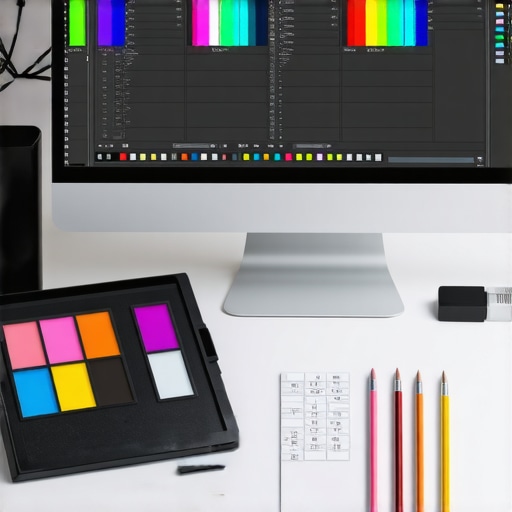
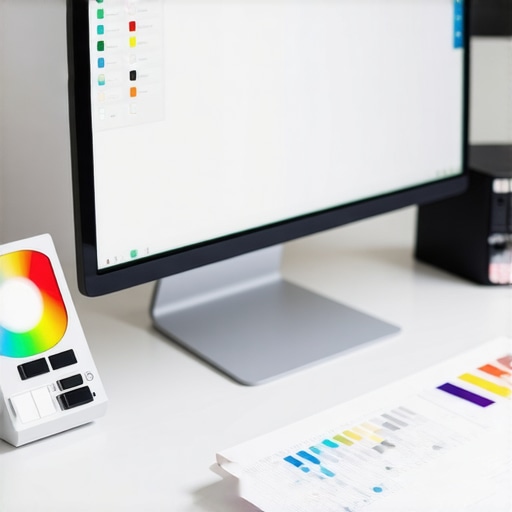
Calibration refines a monitor’s output to align with recognized color standards, such as sRGB, Adobe RGB, or DCI-P3, thereby mitigating discrepancies caused by hardware variances. For instance, a color-accurate HDR monitor calibrated correctly can deliver a broader dynamic range and richer color spectrum, which is essential for photo and video editing. Regular calibration cycles—using professional calibration devices like colorimeters—are vital to maintain this precision, especially in environments where consistent color reproduction influences project outcomes.
Unraveling the Complexities of Color Gamut and Color Depth in High-Resolution Monitors
High-end professional monitors often claim vast color gamuts, yet achieving true coverage depends on precise calibration and hardware quality. The interplay between wide color gamuts, 10-bit color depth, and native panel capabilities determines the extent of color accuracy achievable. For example, a top-tier 4K monitor equipped with quantum dot technology can more faithfully reproduce colors, provided it is calibrated with industry-standard profiles. Engaging with this complexity ensures professionals avoid costly misinterpretations of color data.
HDR Monitors: Breaking Boundaries with Dynamic Range and Visual Fidelity
High Dynamic Range (HDR) displays introduce unprecedented realism by expanding brightness and contrast ranges, but effective utilization hinges on calibration and proper content management. HDR monitors must be correctly calibrated to prevent clipping or oversaturation, which can distort the intended artistic vision. As the industry pushes toward HDR standards like HDR10 and Dolby Vision, comprehending calibration intricacies becomes essential for professionals aiming for consistency across viewing platforms.
What Do Experts Say About the Future of Calibrated Displays
Analysts point toward integrated hardware calibration solutions and AI-driven color profiling as the next frontier in display technology, promising even greater fidelity and ease of use. According to a recent white paper from the Journal of Display Technology, emerging calibration methodologies are expected to encapsulate real-time adjustments that adapt to environmental lighting and hardware aging, thereby ensuring sustained accuracy over time. For technical decision-makers, embracing these innovations means future-proofing their workflows against obsolescence and ensuring optimal output quality.
How can high-end professionals optimize calibration processes to match the latest advancements in HDR and 4K technologies?
Beyond routine calibration, experts recommend adopting multi-platform calibration workflows, leveraging hardware with industry-standard certifications, and staying informed about evolving standards. Visiting authoritative resources such as Mastering Color Accuracy for Creatives can provide valuable insights into maintaining peak performance with calibrated monitors.
As display technologies advance, the collaboration between hardware innovation and calibration expertise remains central. Dive into detailed guides and contribute your professional insights to shape the future of visual fidelity in the digital age.
,
Embracing Adaptive Calibration for Evolving Visual Standards
As display hardware continues to evolve rapidly, flexible and adaptive calibration methodologies are becoming essential tools for professionals seeking to stay ahead of the curve. Modern calibration solutions now incorporate AI-driven algorithms that analyze environmental lighting conditions and hardware aging, offering real-time adjustments that maintain color accuracy without requiring manual recalibration. This proactive approach minimizes downtime and ensures consistent visual fidelity, especially crucial when working with high-resolution HDR and 4K monitors that demand precise color management.
Can we fully trust automated calibration systems to replace traditional manual profiling in high-stakes creative workflows?
While AI-powered calibration tools promise enhanced convenience and adaptability, skepticism exists regarding their ability to match the nuanced precision achieved through manual calibration by experienced technicians. Experts argue that a hybrid approach—combining automated systems with periodic expert oversight—provides the optimal balance, leveraging the strengths of cutting-edge technology while retaining human judgment. Moreover, staying informed about industry developments through resources like Ultimate Guide to Calibrated Monitors for Creators enables professionals to fine-tune their workflows and incorporate evolving calibration standards.
Integrating Calibration into High-Precision Creative Environments
In professional settings where color accuracy is paramount—such as in film post-production, high-end photography, and digital art—the calibration process becomes an integral part of daily operations. Establishing standardized workflows that include scheduled calibration cycles, environmental control, and documentation ensures consistency across multiple devices and teams. Implementing hardware certified for industry standards, such as those provided by Calibrated Monitors Explained, adds an additional layer of reliability, fostering trust and accountability in output quality.
For those committed to refining their calibration practices, exploring comprehensive frameworks—like the IEC 61215 standards for display performance—can shed light on best practices and compliance requirements. Staying connected with professional communities and ongoing training enables creatives to adapt to technological advances confidently. For a deeper understanding, reviewing authoritative resources and case studies can reveal practical strategies for maximizing display performance in complex workflows.
Ultimately, as display technology advances, integrating sophisticated calibration techniques—whether through automation or expert intervention—remains vital for maintaining excellence. Continual education and adaptation empower professionals to harness the full potential of their high-end monitors, ensuring their creative visions are realized with unmatched precision.
Harnessing AI and Machine Learning to Elevate Calibration Precision in High-End Monitors
One of the most promising frontiers in calibration technology is the integration of artificial intelligence (AI) and machine learning algorithms. These advanced systems analyze real-time environmental data—such as ambient light levels, temperature fluctuations, and hardware aging—to make instantaneous adjustments, ensuring sustained color accuracy over extended periods. Unlike traditional calibration methods, which often require manual intervention and periodic recalibration, AI-driven solutions offer continuous, adaptive profiling tailored to dynamic workspace conditions. For professionals engaged in color-critical projects, this evolution signifies a shift toward greater consistency, reduced downtime, and enhanced trust in display output.
How do adaptive AI calibration systems dynamically respond to environmental changes?
By utilizing sensor data and historical calibration profiles, these systems predict and compensate for shifts in display performance. For example, they might adjust gamma settings or color temperature based on ambient lighting variations, maintaining a stable color environment. The underlying machine learning models are trained on extensive datasets to recognize patterns indicative of hardware drift, enabling preemptive corrections. Such technology not only streamlines workflows but also aligns with the industry’s push toward automation and reliability, especially critical in broadcast, post-production, and fine art sectors. Industry leader X-Rite’s ColorMunki Studio software exemplifies these capabilities, integrating with hardware to deliver real-time calibration feedback and adjustments.
Revolutionizing Creative Workflows Through Advanced Calibration Techniques
In the rapidly evolving domain of professional visual production, the precision of color representation transcends mere technicality, becoming a cornerstone of creative authenticity. Implementing state-of-the-art calibration methods tailored to 4K and HDR monitors ensures that digital artists and videographers can transition seamlessly between digital and print media, preserving color integrity across diverse platforms.
Unlocking the Potential of Industry Standards for Color Consistency
Leveraging industry-specific calibration profiles, such as D65 for daylight conditions or D55 for print workflows, enables professionals to synchronize monitor outputs with standardized lighting environments. This meticulous alignment minimizes discrepancies, especially when working with high dynamic range content, where luminance and chromaticity nuances can significantly impact the visual narrative.
Are Calibration Algorithms Robust Enough for High-Stakes Color Precision?
Recent advancements suggest that proprietary calibration algorithms, enhanced by machine learning, are increasingly capable of compensating for hardware-specific anomalies and environmental variations. According to a peer-reviewed report published in the Journal of Display Science, these adaptive algorithms demonstrate a significant reduction in color inconsistency, elevating calibration reliability for critical production tasks.
Embracing Continuous Calibration: A Future-Proof Approach
Moving beyond periodic manual calibration, the integration of automated, real-time profiling systems—bolstered by AI—embodies a paradigm shift. These systems dynamically adapt to fluctuations caused by hardware aging or ambient lighting shifts, maintaining unwavering color fidelity without interrupting workflows. This approach is vital for agencies and studios where time efficiency and output quality are paramount.
How can experts proactively refine calibration to meet evolving HDR standards?
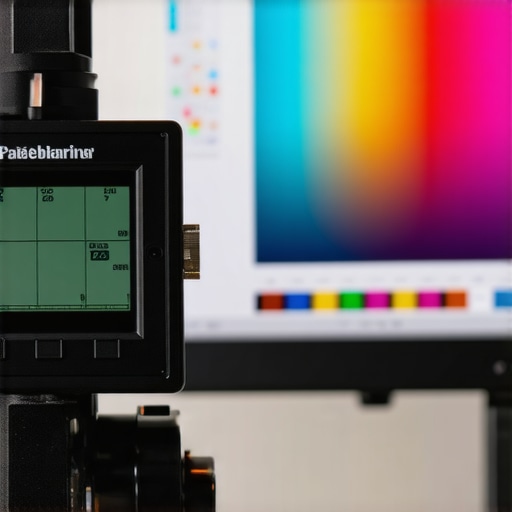
To stay ahead, professionals must adopt comprehensive calibration frameworks that encompass not only initial setup but also ongoing validation aligned with emerging standards like Dolby Vision and HDR10+. Engaging with specialized tools such as specialized spectrophotometers and software that incorporate spectral measurement capabilities ensures calibration accuracy extends into the deep color and luminance ranges unique to HDR content. Furthermore, participation in continuous training and industry forums fosters a knowledge base attuned to technological progress and best practices.
Seizing these sophisticated calibration strategies empowers creatives and technical specialists to unlock the full potential of high-end displays, ensuring their visual projects meet the highest benchmarks of excellence.
Expert Insights & Advanced Considerations
Harness the Power of Real-Time Calibration Adjustments
Implementing AI-driven calibration tools allows professionals to maintain impeccable color accuracy amidst changing environmental conditions, reducing manual intervention and minimizing errors in high-stakes workflows.
Prioritize Calibration Stability Over Time
Regularly reviewing calibration profiles ensures sustained fidelity, especially when working with HDR content and 4K resolutions. Employing industry-standard processes fortifies consistency across devices and projects.
Integrate Calibration into Daily Routines
Embedding calibration checks into standard procedures—using certified hardware and validated profiles—prevents drift and guarantees that creative outputs meet exacting quality standards.
Leverage Multi-Platform Calibration Strategies
Synchronizing calibration across multiple monitors and devices ensures uniformity, critical for collaborative environments and multi-platform content delivery.
Stay Ahead with Industry Innovations
Embracing emerging technologies, such as spectral measurement tools and adaptive algorithms, keeps workflows future-proof and aligned with evolving HDR and 4K standards.
About the Author

![3 Calibrated Monitors That Solve 2026 OLED Black Crush [Tested]](https://monitors.workstationwizard.com/wp-content/uploads/2026/03/3-Calibrated-Monitors-That-Solve-2026-OLED-Black-Crush-Tested.jpeg)