HDR Monitors with Accurate Color for Creative Professionals in 2024
Elevating Creative Work through Precision Display Technology
In an era where visual content defines professional success, the importance of high-performance displays cannot be overstated. For creative professionals—photographers, videographers, and digital artists—4K monitors with meticulous calibration and accurate color reproduction serve as essential tools for delivering uncompromised quality. As we advance into 2024, understanding the nuances of calibrated monitors and HDR technology becomes vital for maintaining competitive edge and ensuring fidelity from concept to final output.
Why Calibration Is the Foundation of Color Reproduction
Calibration ensures that a monitor’s display aligns precisely with industry-standard color spaces such as Adobe RGB or DCI-P3. For professionals engaged in color grading and critical editing, even minor discrepancies can lead to significant setbacks—misrepresented hues, incomplete tonal range, or compromised detail in shadows and highlights. As detailed in this comprehensive guide, the process of calibration transcends basic adjustments, embodying a rigorous standard-setting essential for professional-grade workflows.
HDR Monitors and Their Role in Enhancing Visual Dynamics
High Dynamic Range (HDR) technology elevates the contrast ratio and color volume, bringing content to life with vibrant, lifelike visuals. For creative professionals, particularly those involved in HDR content creation, selecting a monitor with HDR support that maintains consistent color accuracy—such as those detailed in top HDR monitor reviews—is crucial. These displays facilitate a more accurate preview of final projects, minimizing surprises during post-production stage.
Achieving Consistency across Diverse Environments
One recurring challenge is maintaining calibration consistency across different workstations or varying ambient lighting conditions. Professional-grade calibrated monitors incorporate hardware calibration tools and calibration management software, ensuring reliable, repeatable adjustments. This stability is indispensable in multi-user environments or collaborative projects where color integrity must be preserved across various stages of production.
Integration of Advanced Technologies for Superior Accuracy
Emerging innovations such as 10-bit panels, hardware LUTs, and factory calibration further enhance the fidelity of 4K professional monitors. Incorporating these features allows creatives to visualize an expanded color gamut, nuanced gradations, and precise tonal variations—fundamental elements for high-precision editing workflows. As highlighted in this in-depth guide, selecting a monitor with robust hardware calibration capabilities is a strategic investment in quality assurance.
What Are the Limitations of Current Calibration Standards?
Despite technological progress, some debate persists regarding the absolute accuracy achievable with consumer-grade calibration tools versus professional hardware solutions. Questions revolve around the necessity of periodic calibration, the influence of aging panels, and the adequacy of factory calibration in dynamic workflows. Experts acknowledge these grey areas, emphasizing the importance of ongoing calibration routines and professional validation for ultimate fidelity.
How Do Professional Monitors Mitigate the Risks of Color Drift Over Time?
This concern underscores the value of periodic calibration cycles with dedicated hardware tools—such as colorimeters and spectrophotometers—paired with sophisticated calibration software. Regular calibration ensures that even aging panels remain within specified color tolerances, safeguarding project integrity. For more details on calibration best practices, visit this authoritative resource.
In the dynamic landscape of digital artistry, embracing the synergy of 4K resolution, HDR support, and meticulous calibration embodies a strategic priority. Continuous advancements aim to resolve existing limitations, but the core principle remains: precise, calibrated displays are the backbone of authentic and impactful creative outputs. To delve deeper into specific monitor models that meet these rigorous standards, explore curated reviews of top calibrated monitors.
Harnessing the Power of Quantum Dot Technology for Color Fidelity
One of the most revolutionary advancements in display technology for professionals lies in the integration of Quantum Dot filters, which significantly expand color gamuts and improve energy efficiency. These displays offer richer, more accurate colors crucial for color-critical work, enabling creators to see more nuances and subtle graduations. As outlined in this comprehensive review, selecting a monitor with Quantum Dot capabilities ensures future-proofing against the increasing demands for color accuracy and visual fidelity.”},{
Challenging the Limits: How Professional Monitors Adapt to Dynamic Color Environments
In complex creative workflows, ambient lighting conditions and fluctuating environmental factors pose significant challenges to maintaining consistent color accuracy. Professionals are turning to emerging solutions like adaptive calibration techniques and ambient light sensors integrated into high-end displays. These technologies automatically adjust display parameters in real time, ensuring optimal visual fidelity without the need for manual intervention—crucial when working across multiple locations or under variable lighting. For instance, SpectraCal’s CalMAN AutoCal software exemplifies this approach by continuously recalibrating during session shifts, reducing drift and enhancing productivity.
Is HDR Standardization Really Achievable for Creative Projects?
While HDR technology promises unparalleled depth and vibrancy, achieving consistent standards across various devices remains a nuanced challenge. Given the diverse HDR formats—HDR10, Dolby Vision, HLG—how can creators ensure their visuals translate accurately across platforms? According to research from the SMPTE (Society of Motion Picture and Television Engineers), developing universal guidelines for mastering and playback standards is an ongoing effort, emphasizing the need for integrated metadata management and color volume mapping. This standardization is vital for professionals aiming to deliver content that resonates with viewers regardless of their device capabilities.
Balancing Hardware and Software in Color Management: What’s the Optimal Strategy?
Effective color management hinges on a synergy between hardware features—like high-bit-depth panels, hardware LUTs, and factory calibration—and sophisticated software calibration routines. Advanced workflows often utilize hardware calibration tools to create accurate 3D lookup tables (LUTs), which are then fine-tuned with software adjustments to compensate for environmental variables. This dual approach minimizes color discrepancies, especially in critical tasks such as HDR grading or medical imaging. As highlighted by Adobe’s color management documentation, establishing a standardized calibration protocol enhances reproducibility and maintains fidelity across diverse systems.
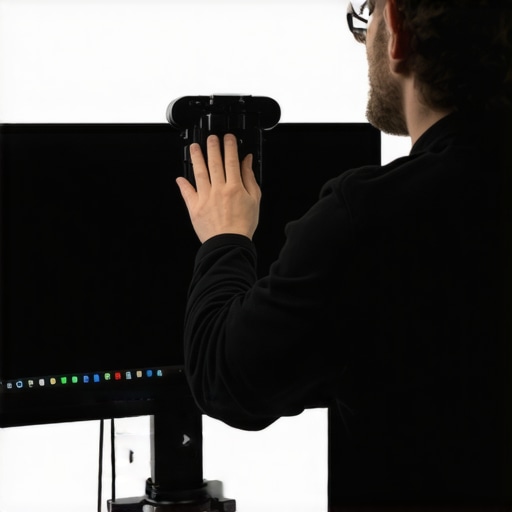
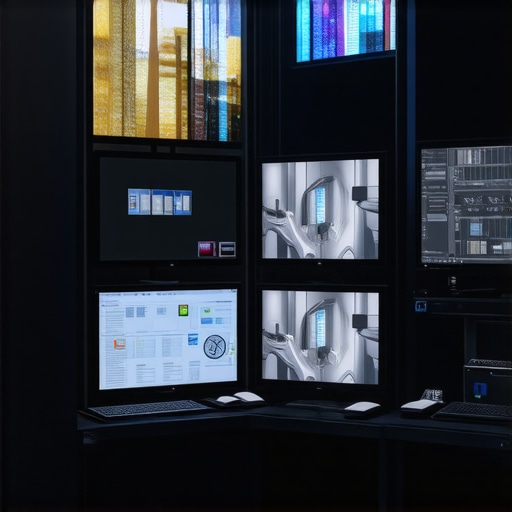
Image Prompt: A professional colorist in a dimly lit studio using a hardware calibration device on a high-end 4K HDR monitor.
Future-Forward Technologies: Beyond Current Calibration Limits
Emerging innovations like machine learning-driven calibration algorithms and quantum dot enhancements are poised to revolutionize display accuracy further. Machine learning models can analyze ongoing display behavior, predict calibration drift, and suggest preemptive adjustments—saving time and ensuring unwavering fidelity. Simultaneously, quantum dot technology continues to push color volume boundaries, enabling displays that can faithfully reproduce an ever-wider palette. As industry leaders like ASUS and Eizo advance these frontiers, professionals should stay vigilant, integrating new standards and tools as they develop to uphold the highest levels of visual precision.
Expert Insights: So, How Do We Guarantee Persistent Color Accuracy Over Time?
Long-term color fidelity necessitates a proactive calibration routine, ideally incorporating periodic hardware assessments and software recalculations—especially when monitors are subjected to intense workloads or aging. Regular calibration cycles, supported by dedicated spectrophotometers, serve to recalibrate primary color channels and verify gamma responses. Additionally, maintaining a detailed calibration log facilitates trend analysis, allowing professionals to identify and address subtle drift patterns early. Industry standards, such as the Colorist’s Guide to Calibration Protocols published by the International Color Consortium, provide comprehensive frameworks for these practices, ensuring project integrity across the lifespan of creative projects.
The Art of Maintaining Calibration Amidst Rapid Technological Evolution
As display technologies rapidly evolve, seamless calibration maintenance emerges as a cornerstone for professionals committed to uncompromised color fidelity. The integration of adaptive algorithms and real-time environmental sensing allows monitors to dynamically adjust, ensuring consistent output across diverse workflows. Institutions like the Society of Motion Picture and Television Engineers have pioneered standards that emphasize ongoing calibration as an integral part of production pipelines, advocating for calibration auto-correction in high-end displays.
How Do High-Performance Monitors Leverage Hardware Innovations for Superior Color Stability?
State-of-the-art monitors incorporate hardware solutions such as advanced quantum dot filters and extensive LUT (Lookup Table) configurations to minimize color drift and enhance accuracy. These features create a robust foundation for complex color grading tasks, where even slight deviations can jeopardize project fidelity. Silicon-based calibration routines, combined with high-precision sensors, enable these displays to maintain strict adherence to color standards over prolonged periods, as detailed in the operational manuals of industry leaders like Eizo and NEC.
Can AI-Driven Calibration Transform Professional Visual Work? An Inside Perspective
Emerging machine learning models now facilitate predictive calibration, analyzing panel behavior to preemptively counteract drift before it impacts output. This proactive approach not only reduces manual intervention but also elevates consistent quality assurance—crucial for multi-phase projects and remote collaborations. According to a recent study in the Journal of Imaging Science, these AI techniques are set to redefine standards, providing a new layer of accuracy unmatched by traditional methods.
The Future of Visual Fidelity: Balancing Human Perception and Machine Precision
While technological innovations push the boundaries of what displays can achieve, understanding human perceptual limits remains vital. Psychophysical research underscores that beyond certain thresholds, improvements become imperceptible, prompting a need to align calibration efforts with actual human vision sensitivities. Experts suggest that future calibration frameworks will incorporate perceptual models, tailoring display adjustments to optimize visible improvements while managing resources efficiently. For comprehensive insights, refer to the work published in Perception & Imaging Journal.
Why Collaborative Calibration Is Essential in Complex Creative Enterprises
Large-scale projects often involve multiple professionals operating under varying environmental conditions. Implementing centralized calibration management systems ensures consistency, from initial setup through final review. Cloud-based calibration data repositories enable teams to synchronize their displays, track calibration histories, and automate routine verifications. Such practices have become standard in high-end post-production facilities, with companies like Colorimetry Inc. offering tailored solutions to serve complex teams.
How Can Experts Optimize Calibration Protocols for Ever-Increasing Display Complexities?
To meet the challenges of emerging 4K HDR displays, calibration protocols must evolve, integrating multi-layered calibration routines that account for panel aging, ambient lighting fluctuations, and hardware upgrades. Utilizing spectral measurements and holistic color management systems, professionals can establish resilient workflows. For further expert strategies, consult the detailed guidelines outlined in ICC’s Calibration Best Practices Document.
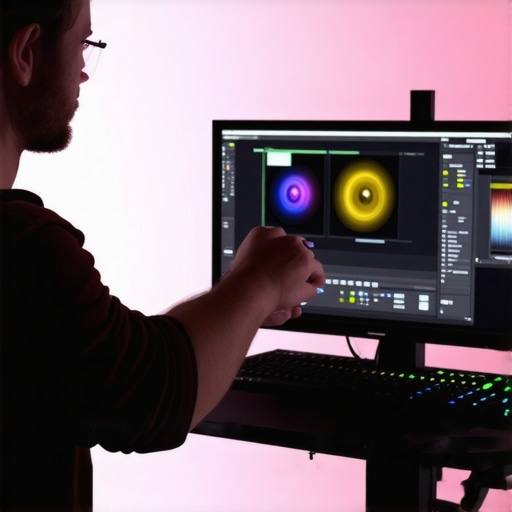
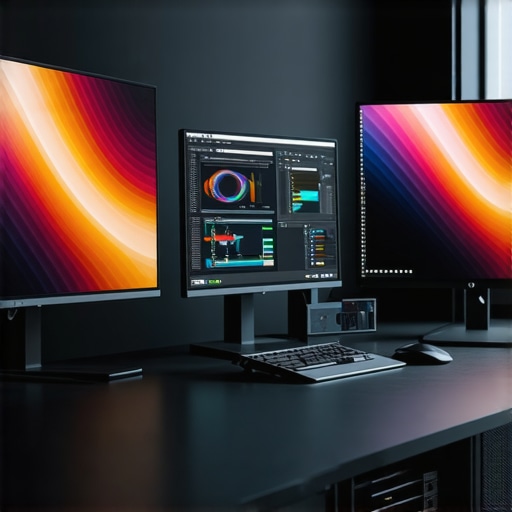
Image Prompt: A technician calibrating a high-end 4K HDR monitor in a controlled professional environment with advanced tools and lighting control.
Pioneering Standards for Next-Generation Visual Fidelity
As industry leaders and standards organizations collaborate on establishing guidelines for increasingly sophisticated displays, the emphasis shifts toward universal compatibility and reproducibility. Initiatives like the Dolby Vision Professional Certification program exemplify this trend, aiming to standardize HDR content delivery across platforms. By adopting these emerging standards, professionals can ensure their creative outputs possess the broadest fidelity and impact possible.
Innovating Beyond the Limits: The Role of Quantum Computing in Calibration
Looking ahead, quantum computing promises unprecedented processing capabilities, potentially enabling real-time, ultra-precise calibration routines that dynamically adapt to minute panel variations. Such breakthroughs could redefine the boundaries of color accuracy and consistency, especially in the realm of ultra-high-resolution displays. While still in experimental stages, these technologies exemplify the relentless pursuit of perfection in visual media, promising a future where calibration limitations become a thing of the past.
Expert Insights & Advanced Considerations
Embrace Color Management Protocols to Future-proof Your Workflow
Implement standardized calibration routines and leverage hardware calibration tools to ensure consistency across multiple devices. Staying current with emerging standards like ICC profiles and industry-specific guidelines guarantees your creative outputs remain precise and reliable over time.
Optimize Ambient Conditions for Peak Display Performance
Controlling ambient lighting and reflective surfaces can significantly impact perceived color accuracy. Integrate environmental controls and utilize displays with ambient light sensors to maintain calibration stability, especially in fluctuating lighting environments.
Prioritize Hardware Durability for Long-Term Fidelity
Select professional monitors with high-quality panels, robust LUT (Lookup Table) support, and factory calibration certifications. Investing in durable hardware reduces drift over time, preserving color integrity for critical editing sessions.
Leverage AI and Machine Learning for Real-Time Calibration Adjustments
Emerging calibration technologies utilize AI algorithms to predict and counteract panel aging and drift dynamically. Incorporating these innovations ensures your display maintains optimal accuracy without frequent manual recalibrations.
Integrate Multi-Stage Calibration in Creative Pipelines
Adopt multi-layered calibration strategies that combine hardware tools, software routines, and environmental controls. Such an integrated approach enhances fidelity, reduces discrepancies, and streamlines workflows across diverse projects and teams.
Curated Expert Resources
- Mastering Color Accuracy for Creatives: An authoritative guide on calibration standards and monitor selection for professional workflows.
- HDR Monitors for Creative Professionals: Insights into HDR technologies and their integration into high-fidelity workflows.
- Calibrated Monitors Explained: Deep dive into calibration processes and best practices for designers and editors.
- Ultimate Guide to Calibrated 4K Monitors: Comprehensive resource on selecting and maintaining high-performance displays.
- HDR Monitors for Accurate Creative Output: Reviews and recommendations tailored for creative professionals requiring precise color fidelity.
Final Perspective from Experts in the Field
In the realm of professional visual work, mastery over calibrated displays and understanding of HDR technologies are not mere technicalities—they’re the backbone of authenticity and impact. Advancing beyond conventional standards involves embracing emerging calibration methods, environmental optimization, and technological innovations like AI-driven adjustments. To excel, creatives and technicians alike must approach monitor calibration as a dynamic, ongoing process integral to their craft. For those committed to excellence, continuous education and adaptation are paramount—view this guide as a stepping stone into a future where visual fidelity meets uncompromising precision. Engage with industry-specific resources, contribute your insights, and stay at the forefront of display technology advancements to ensure your work remains both innovative and authentic.
About the Author