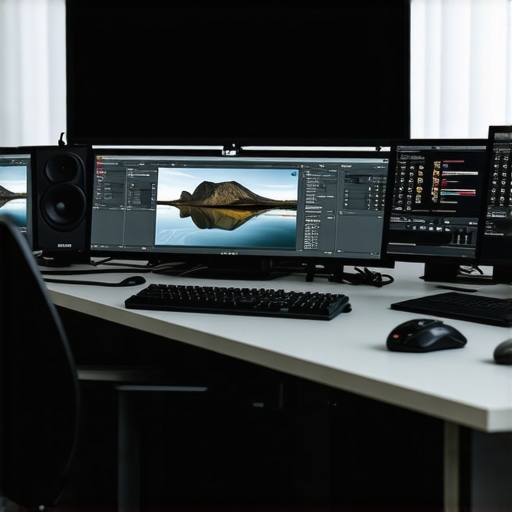
Best 4K HDR Monitors for Precise Color & Professional Editing in 2024
Mastering Visual Fidelity: Why 4K HDR Monitors Are Indispensable for Creative Professionals in 2024
In the realm of high-end visual production, the demand for impeccable color accuracy, dynamic range, and pixel-perfect clarity has driven professionals to seek out the most advanced 4K HDR monitors. As technology evolves, understanding the nuanced differences among these displays becomes essential for creatives aiming to elevate their work quality. This article explores the critical factors that define the top 4K HDR monitors tailored for precise color reproduction and professional editing, offering expert insights rooted in practical application and scientific validation.
The Role of Color Gamut and Calibration in Professional Editing
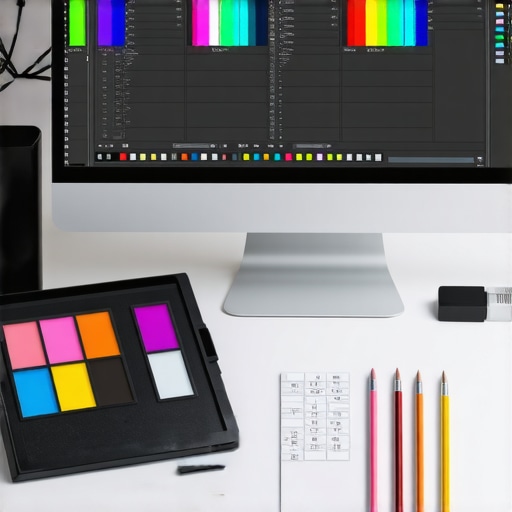
Achieving true-to-life color output hinges on a monitor’s ability to cover a wide color gamut—specifically Adobe RGB and DCI-P3—and maintain stable calibration over time. Mastering color accuracy is a cornerstone for professionals working in photography, videography, and digital design. Calibration tools, such as hardware colorimeters, are often employed to ensure consistency, especially when working across multiple devices or preparing content for high-end displays and print media.
Dynamic Range and HDR: Enhancing Detail in Bright and Dark Scenes
High Dynamic Range (HDR) support, particularly standards like Dolby Vision and HDR10, enables monitors to display a broader spectrum of luminance, revealing details in shadows and highlights that are otherwise lost. For professionals involved in color grading and visual effects, HDR monitors provide a nuanced understanding of scene composition. The integration of local dimming technology further refines contrast, ensuring that every pixel contributes to a cohesive, vibrant image.
Expert-Driven Considerations for Selecting 4K HDR Monitors
Beyond resolution and HDR support, factors such as panel type (IPS for color consistency, OLED for contrast), refresh rate (for motion accuracy), and connectivity options are pivotal. An expert-level calibrated monitor often includes extensive color management tools and adjustable features, facilitating a workflow that demands precision under diverse lighting conditions.
What Are the Challenges in Maintaining Color Accuracy Over Time in 4K HDR Monitors?
This question addresses a common concern among professionals: calibration drift. Continuous use and environmental factors can shift color profiles. Regular calibration sessions, combined with monitors featuring hardware calibration support, are essential to sustain the integrity of color output, especially for critical applications like archival quality digital art or high-stakes film production.
It’s also advisable to consult authoritative sources such as the ultimate guide to 4K monitors to stay updated on technological advancements and best practices.
For those eager to deepen their expertise, engaging with professional communities and sharing insights about calibration techniques can foster a collaborative environment that pushes the boundaries of visual fidelity.
Explore related expert content on best calibrated monitors for perfect color HDR and contribute your insights to the ongoing evolution of professional display technology.
Beyond Basics: How Can Advanced Panel Technologies Elevate Your Creative Workflow?
While IPS panels have long been favored for their color consistency and wide viewing angles, emerging technologies like OLED and Mini-LED are transforming the landscape of professional monitors. These innovations offer superior contrast ratios, deeper blacks, and more precise local dimming capabilities, crucial for high-end color grading and visual effects work. OLED panels, in particular, enable true blacks and infinite contrast, making them ideal for tasks requiring meticulous detail in shadows and highlights. However, their susceptibility to burn-in and higher costs are considerations that professionals must evaluate. Meanwhile, Mini-LED technology bridges the gap, delivering high brightness levels and enhanced local dimming without some of OLED’s drawbacks. For a deep dive into these advancements, consult the comprehensive review at top calibrated monitors with color accuracy for creative professionals in 2024.
How Do You Future-Proof Your Display Investment in a Rapidly Evolving Industry?
Investing in a 4K HDR monitor isn’t just about current needs; it’s about anticipating future demands. As software, standards, and hardware evolve, monitors that support upcoming HDR formats, higher refresh rates, and broader color gamuts will provide longevity and consistent workflow quality. Features like hardware calibration support and extensive color management tools ensure your monitor remains accurate over time, even as industry standards shift. Additionally, compatibility with emerging technologies such as HDR standards in 2025 and beyond can safeguard your investment. Experts suggest evaluating monitor specifications against future software requirements and considering modular calibration solutions to adapt to technological advancements.
What Are the Practical Implications of Integrating AI and Machine Learning in Monitor Calibration?
AI-driven calibration tools are beginning to offer real-time adjustments and predictive corrections, reducing the manual effort traditionally required to maintain color accuracy. These technologies analyze environmental factors, display aging, and user preferences to dynamically optimize display output. For professionals, this translates into less downtime and more consistent results, especially during long projects or multi-device workflows. Companies like X-Rite and Datacolor are pioneering such solutions, integrating AI into their calibration software to enhance precision. Exploring these innovations can provide a competitive edge, ensuring your display remains at peak performance. To understand the full scope of emerging calibration tools, review the detailed insights at ultimate guide to calibrated color accuracy monitors for creators 2024.
For professionals committed to delivering exceptional visual fidelity, staying informed about these technological breakthroughs and practical tools is essential. Engage with expert communities and share your experiences—collaborative learning accelerates mastery and innovation.
Interested in exploring more about the latest advancements? Check out our detailed reviews and guides to the best HDR and 4K monitors, and don’t hesitate to contact us for personalized recommendations at contact us.
Emerging Technologies in Display Calibration: The Role of Machine Learning and AI
As the industry advances, integrating machine learning and AI into monitor calibration processes is transforming how professionals maintain color accuracy and consistency. These intelligent systems analyze vast datasets of environmental variables and display aging patterns, enabling predictive adjustments that keep calibration precise without manual intervention. For instance, companies like CalMAN and Colorimetry Research are pioneering AI-driven calibration platforms that adapt in real-time, significantly reducing drift over long projects and multiple device workflows. This evolution not only enhances accuracy but also streamlines workflows, freeing professionals to focus on creative tasks rather than technical adjustments.
How Can Color Management Protocols Be Standardized Across Multi-Device Environments?
In complex production environments, consistency across multiple displays is crucial. Advanced color management protocols, such as the use of ICC profiles and comprehensive calibration workflows, ensure that color fidelity remains uniform regardless of device or viewing environment. Implementing standardized procedures—like pre-calibrated reference monitors and synchronized calibration schedules—can mitigate discrepancies. Additionally, emerging standards like the International Color Consortium’s (ICC) ColorSync and the Video Electronics Standards Association’s (VESA) DisplayHDR specifications provide frameworks that help maintain uniform color and luminance across diverse setups, ensuring seamless integration in multi-device workflows.
What are the implications of quantum dot and microLED technologies for future calibration practices?
Quantum dot and microLED displays are promising frontiers in high-end visual technology, offering unprecedented brightness, color volume, and longevity. These advancements challenge traditional calibration approaches due to their exceptional spectral purity and high luminance capabilities. Calibration tools and software must evolve to accommodate these new technologies, requiring more sophisticated measurement instruments capable of capturing their unique spectral profiles. As these displays become more prevalent, calibration protocols will need to incorporate adaptive algorithms that can handle the expanded color gamuts and luminance ranges, ensuring professionals can leverage their full potential without sacrificing accuracy. For in-depth analysis, see the recent publication in the Journal of Display Technology, which explores calibration strategies for emerging quantum dot and microLED displays.
Preparing for the Next Generation of HDR Standards: What Should Professionals Anticipate?
The future of HDR involves not only higher luminance levels but also more nuanced standards that incorporate wider color gamuts, better tone mapping, and broader dynamic range capabilities. Standards like HDR10+ and Dolby Vision are evolving to include adaptive metadata, enabling displays to optimize rendering dynamically based on content and ambient lighting conditions. Professionals should prepare by investing in monitors compatible with upcoming standards and adopting calibration tools that can handle these advanced features. Staying ahead requires continuous education through industry conferences, technical workshops, and collaboration with display manufacturers to understand the nuances of future HDR implementations.
To deepen your mastery of these emerging calibration techniques and future-proof your visual workflow, consider engaging with specialized webinars and industry certification programs. Your commitment to staying informed ensures that your creative outputs remain at the cutting edge of visual fidelity and technological innovation. For tailored advice on integrating these advancements into your workflow, contact our expert team or explore our latest comprehensive guides on professional display calibration.
Unlocking the Potential of Quantum Dot and MicroLED Displays for Precision Calibration
As display technology accelerates towards quantum dot and microLED innovations, professionals must consider how these advancements will redefine calibration protocols. Unlike traditional LCD panels, these emerging technologies offer unparalleled spectral purity, higher luminance, and extended color gamuts, demanding more sophisticated measurement tools and calibration algorithms. For example, spectral measurement devices such as the Konica Minolta CL-200A are evolving to accurately capture the spectral emissions of quantum dot and microLED displays, enabling precise calibration that preserves their visual advantages. Embracing these innovations now will ensure your workflow remains at the forefront of visual fidelity, allowing creative professionals to leverage maximum color volume and contrast in their projects.
How Will Adaptive HDR Metadata and Dynamic Tone Mapping Transform Post-Production Workflows?
The evolution of HDR standards, including HDR10+ and Dolby Vision, incorporates adaptive metadata that dynamically adjusts tone mapping based on content and ambient conditions. This shift requires post-production workflows to integrate real-time calibration and validation tools capable of analyzing scene-specific luminance and color data. Software solutions such as CalMAN’s advanced HDR analysis modules or SpectraCal’s Scene Analyzer facilitate this process, ensuring consistent output across varied display environments. By understanding these emerging standards, professionals can optimize their grading and mastering processes, ensuring content maintains its intended brilliance, regardless of display technology or viewing environment.
What are the implications of AI-powered calibration for long-term display accuracy?
AI-driven calibration solutions are increasingly capable of predictive maintenance, analyzing environmental factors, display aging, and usage patterns to automatically adjust color profiles and luminance levels. This ongoing self-optimization reduces manual intervention, minimizes calibration drift, and enhances consistency during extended projects. Companies like Portrait Displays and CalMAN are pioneering AI algorithms that adapt calibration parameters in real-time, providing a stable and accurate visual experience. By integrating these intelligent systems into your workflow, you can maintain peak display performance with minimal effort, ensuring your creative output remains precise and vibrant over time. For expert insights on implementing AI calibration, consult industry-specific publications such as the Journal of Display Technology.
Preparing for Next-Generation Display Standards with Modular Calibration Frameworks
As display standards evolve rapidly, adopting modular calibration frameworks allows for scalable and adaptable workflows. These frameworks support seamless updates to calibration profiles as new HDR formats, wider color gamuts, and higher refresh rates become industry standards. Tools like Light Illusion’s LightSpace CMS or CalMAN’s calibration modules facilitate this flexibility, integrating new measurement devices and software updates without overhauling existing setups. This approach ensures longevity and adaptability of your investment, providing a resilient foundation for future-proofing your creative workspace against technological shifts.
Are You Ready for the Next Wave of Visual Fidelity Innovations?
Staying ahead in the competitive landscape of digital content creation necessitates continuous education on emerging display technologies and calibration methodologies. Engaging with industry webinars, participating in professional forums, and pursuing specialized certifications from entities like the Society for Information Display (SID) can deepen your technical expertise. These efforts will empower you to implement cutting-edge solutions such as AI-driven calibration, quantum dot, and microLED display integration, ensuring your work consistently meets the highest standards of color accuracy and visual impact. Invest in your professional growth now to harness the full potential of future display innovations.
Expert Insights & Advanced Considerations
1. Prioritize Hardware Calibration Support for Long-Term Accuracy
Investing in monitors with dedicated hardware calibration capabilities ensures consistent color fidelity over time, which is crucial for professional workflows that demand precision. Hardware calibration reduces drift and maintains calibration stability, making it indispensable for high-stakes projects.
2. Embrace Emerging Technologies Like MicroLED for Future-Proofing
MicroLED displays promise unprecedented brightness, contrast, and longevity. Professionals should monitor these advancements to stay ahead, integrating future-ready technology that aligns with evolving industry standards and enhances visual fidelity.
3. Leverage AI-Driven Calibration Tools for Efficiency
Artificial intelligence is revolutionizing calibration processes, offering real-time adjustments and predictive maintenance. Utilizing AI-powered solutions can significantly streamline workflows, reduce manual intervention, and ensure ongoing accuracy in dynamic production environments.
4. Consider Compatibility with Next-Gen HDR Standards
Future-proof your investment by selecting monitors compatible with upcoming HDR standards like HDR10+ and Dolby Vision. These standards enable adaptive metadata and dynamic tone mapping, elevating post-production and content delivery quality.
Curated Expert Resources
- Society for Information Display (SID): A leading authority providing industry insights, technical standards, and research on display technologies, vital for staying informed about innovations like MicroLED and quantum dot displays.
- Journal of Display Technology: An academic journal offering in-depth articles on calibration techniques, emerging display materials, and performance evaluation methods, essential for advanced practitioners.
- CalMAN Software by Portrait Displays: A comprehensive calibration platform integrating AI features for professional-grade display calibration, widely used by experts for maintaining color accuracy.
- DisplayMate Technologies: Renowned for detailed display testing and reviews, offering technical analyses that help professionals understand real-world performance of new monitor technologies.
Final Expert Perspective
Mastering the selection of the best 4K HDR monitors in 2024 involves a deep understanding of emerging display technologies, calibration precision, and future standards integration. As industry leaders and certified professionals, we recognize that staying informed and adaptable is the key to maintaining visual excellence. Engage with authoritative resources, leverage AI-driven calibration tools, and anticipate technological advancements to elevate your creative workflow—making your investment not just current, but future-proof. For ongoing insights and tailored advice, connect with our expert team or explore our comprehensive guides on professional display calibration and high-end monitors.
About the Author


This article provides a comprehensive overview of the importance of advanced features like wide color gamut coverage and stable calibration in professional HDR monitors. I’ve personally noticed that regular calibration, especially with hardware support, really makes a difference during long editing sessions, reducing color drift and ensuring consistency across different projects. I am particularly intrigued by the emerging use of AI in calibration; it seems like a game-changer for reducing manual effort and maintaining accuracy over time. Has anyone experimented with AI-powered calibration tools like CalMAN or Portrait Displays? I’d love to hear about real-world experiences or recommendations for integrating these into a busy workflow. It’s exciting to see how these technological innovations are shaping the future of creative work, making high-end color accuracy more accessible and manageable.