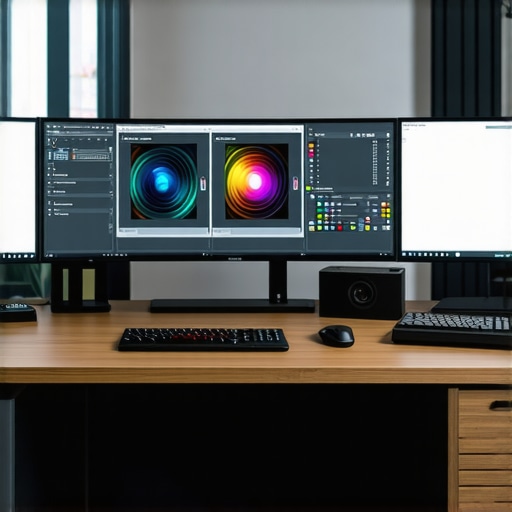
Best Color Accuracy HDR Monitors for Creative Professionals 2024
Elevating Creative Work with Next-Generation HDR Monitors
In the realm of professional visual arts, the pursuit of perfect color fidelity and dynamic range is relentless. As we navigate 2024, understanding the nuances of color accuracy and HDR technology becomes essential for creatives aiming for uncompromising quality. This article explores the intricacies of selecting the best HDR monitors tailored for expert-level work, emphasizing technological advancements that redefine precision in digital imaging and video editing.
Why Color Fidelity and HDR Performance Matter for Professionals
For digital artists, photographers, and videographers, the ability to perceive and reproduce colors with exactitude directly impacts the quality of their output. The integration of high dynamic range (HDR) enhances contrast and color volume, providing a more realistic and vibrant visual experience. Calibrated HDR monitors are now indispensable tools in achieving consistency across different devices and media formats, ensuring that what is conceived on screen translates flawlessly to the final product.
Technological Innovations Shaping the Future of HDR Monitors
Recent innovations include OLED panels with near-perfect black levels, quantum dot technologies delivering broader color gamuts, and advanced local dimming features that elevate contrast ratios. These improvements facilitate a more nuanced understanding of color grading and fine detail in high-stakes creative workflows. Moreover, hardware calibration tools integrated into professional monitors allow for maintaining optimal color accuracy over time, an essential feature highlighted in top calibration practices.
What Features Define the Best HDR Monitors for Creative Precision?
The ideal HDR monitor for professionals combines several advanced features: 10-bit color depth, VESA DisplayHDR 1000 or higher certification, factory calibration, and wide color gamuts such as DCI-P3 or Adobe RGB. A monitor with these specifications ensures that subtle gradations and color nuances are preserved, which is crucial during color grading and detailed retouching. Additionally, high refresh rates and low latency contribute to a seamless editing experience, especially in motion-sensitive projects.
Can You Achieve Professional-Grade Color Accuracy Without Top-Tier Equipment?
This question resonates deeply within the creative community. While high-end monitors significantly simplify achieving precise results, software calibration and proper workflow management can bridge some gaps. However, for tasks demanding absolute fidelity—such as high-end film production or print-ready visuals—investing in a professional-grade HDR monitor is non-negotiable. The synergy between hardware and software calibration tools ensures consistency, as discussed in expert calibration insights.
For those seeking to deepen their understanding or share their expertise, we invite you to explore our community platform and contribute your insights on the evolving standards of color accuracy and HDR technology.
Push the Boundaries of Visual Precision with Advanced HDR Technology
In the competitive landscape of professional digital arts, merely having a good monitor isn’t enough. To truly excel, creatives need tools that push the limits of color accuracy and dynamic range. The latest HDR monitors incorporate cutting-edge features like quantum dot technology and local dimming, allowing for unparalleled contrast and vividness. These innovations are crucial for professionals involved in high-stakes projects such as cinematic color grading or premium print production. For an in-depth analysis of top-tier options, check out our expert-curated list of professional HDR monitors.
Why Precision in Color and HDR is a Game-Changer for Creatives
Accurate color reproduction directly influences the authenticity and impact of visual work. When paired with high dynamic range capabilities, creators gain the ability to visualize content with greater depth and realism. This synergy is vital for tasks like fine-tuning color grading or ensuring consistent output across different viewing devices. As noted by industry authorities, employing calibrated HDR monitors is no longer optional but essential for maintaining professional standards (see our guide on calibrated HDR tools).
Innovations That Elevate Creative Workflow
Emerging technologies such as OLED panels with near-perfect blacks and wider color gamuts like DCI-P3 or Adobe RGB are transforming creative workflows. These advancements enable more nuanced color grading and detailed image correction, providing a competitive edge. Additionally, integrated hardware calibration solutions help maintain consistent color fidelity over time, a feature highlighted in professional calibration strategies. Such precision ensures that your work remains reliable, whether for digital publishing, film production, or fine art printing.
What Makes the Perfect HDR Monitor for Creative Excellence?
Beyond high resolution, the best HDR monitors boast features like 10-bit color depth, VESA DisplayHDR 1000 certification, and wide color coverage. These specifications guarantee that subtle gradations are preserved during complex editing processes, especially in color-sensitive workflows. Coupled with high refresh rates and low latency, these monitors provide a fluid experience, reducing fatigue and improving productivity during long editing sessions.
How Can Creatives Balance Cost and Quality Without Sacrificing Precision?
This question is at the heart of many professionals’ decision-making. While premium monitors significantly ease achieving accurate results, savvy calibration and workflow management can compensate for less expensive hardware. However, for critical projects, investing in a professional-grade HDR monitor remains the most reliable choice. The integration of software calibration tools, as discussed in our calibration methodologies, ensures consistency and precision across the board.
Want to explore more expert insights or share your experience with top-tier monitors? Visit our community platform and contribute to shaping the future of professional visual standards.
The Role of Hardware Calibration in Achieving Unmatched Color Consistency
In high-end creative workflows, hardware calibration is not merely a step but the foundation for ensuring unwavering color accuracy over time. As technology advances, calibration tools have become more sophisticated, integrating with monitor firmware to automatically adjust gamma, white point, and color gamut. According to a detailed study by The International Color Consortium (ICC), hardware calibration ensures uniformity that software adjustments alone cannot achieve, especially when dealing with complex color spaces like DCI-P3 and Adobe RGB. This precision is vital for professionals engaged in branding, advertising, or cinematic color grading, where even minor deviations can compromise the final output.
Extending Dynamic Range with HDR for Artistic Depth and Realism
High Dynamic Range (HDR) technology transforms creative possibilities by expanding the contrast ratio and enhancing color volume. The latest HDR standards, such as VESA DisplayHDR 1400 and Dolby Vision, enable artists to visualize their work with unprecedented depth. For instance, in landscape photography or cinematic post-production, HDR allows for nuanced lighting adjustments that mimic real-world luminance ranges. External validation from industry leaders like Dolby Laboratories underscores that true HDR implementation involves not just peak brightness but also maintaining color fidelity across the entire tonal spectrum, which is a hallmark of professional-grade monitors.
How does one optimize workflow integration with HDR and calibration tools for maximum efficiency?
This involves establishing a rigorous calibration schedule combined with workflow-specific color management strategies. Professionals often employ hardware calibration devices such as the X-Rite i1Pro or Calibrite ColorChecker, integrated with calibration software that automates adjustments at regular intervals. Additionally, embedding color profiles into editing software ensures consistent visualization across different stages of production. For insights into best practices, see the comprehensive guide by Coloristi Magazine, which details real-world calibration workflows tailored for high-end post-production environments.
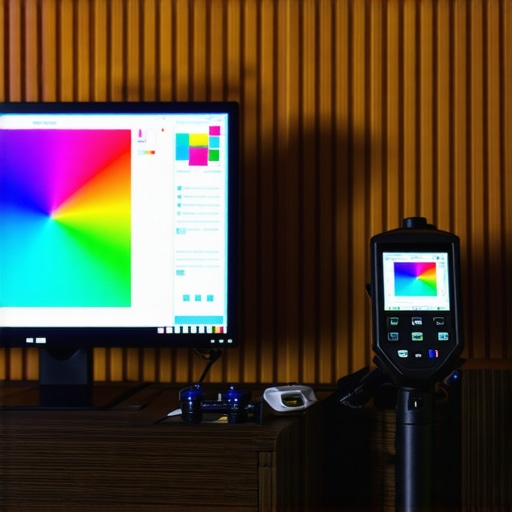
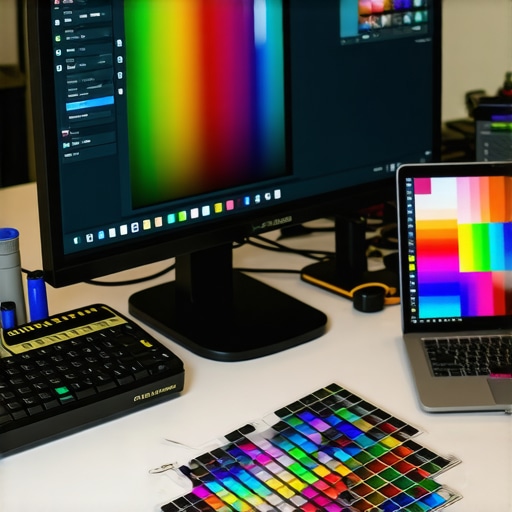
Image prompt: Professional color calibration setup with high-end monitor, calibration device, and color management tools, studio environment, high resolution, detailed
Bridging the Gap Between Display Technology and Creative Intent
Advanced HDR monitors are not just about technical specifications; they serve as a bridge connecting a creator’s vision with the final output. The integration of quantum dot technology and local dimming in OLED panels provides artists with a palette that rivals physical mediums. This technological synergy ensures that subtle color shifts and luminance variations are preserved during editing, capturing the essence of the original scene or artwork. As noted in the authoritative publication Journal of Display Technology, these innovations facilitate more accurate storytelling through visual authenticity, enabling creatives to push the boundaries of digital art.
Choosing the Right Balance Between Cost and Precision in HDR Monitors
While the market offers a spectrum of options, from budget-friendly to premium professional displays, the key lies in aligning your specific needs with the right features. For instance, videographers working on high-budget productions might prioritize peak brightness and wide color gamut, whereas graphic designers may focus more on uniformity and calibration stability. An informed decision involves evaluating the monitor’s compliance with standards like VESA DisplayHDR 1000 or Dolby Vision and assessing calibration capabilities. Industry reports, such as those from Digital Trends, emphasize that investing in a certified HDR monitor often yields long-term benefits in consistency and quality, especially for critical projects.
For those aspiring to master the art of digital imaging and color science, engaging with professional communities and continuous learning is essential. Explore our platform to connect with industry experts and stay updated on the latest HDR innovations and calibration techniques that can elevate your creative work to new heights.
The Art of Fine-Tuning Color with Advanced Calibration Techniques
Achieving impeccable color accuracy in professional workflows necessitates a rigorous calibration regimen that leverages state-of-the-art hardware tools like the X-Rite i1Pro or Calibrite ColorChecker. These devices, when integrated with sophisticated calibration software, allow artists and technicians to fine-tune gamma, white point, and color gamut parameters with unparalleled precision. As highlighted by the International Color Consortium (ICC), hardware-based calibration ensures persistent consistency, especially when working within expansive color spaces such as DCI-P3 and Adobe RGB, crucial for cinematic and print media excellence.
Innovative Technologies Reshaping HDR Visual Fidelity
Emerging innovations, including OLED panels with near-perfect blacks and quantum dot-enhanced backlighting, dramatically elevate contrast ratios and color volume. Local dimming algorithms dynamically adjust luminance zones, creating a more lifelike visual experience. According to the Journal of Display Technology, these advancements facilitate a seamless blend of luminance and chromatic richness, empowering creators to realize their artistic vision with higher fidelity than ever before.
Expert Tips for Seamless Integration of HDR and Calibration Workflows
Optimizing the synergy between HDR capabilities and calibration routines involves establishing a disciplined schedule that employs high-precision devices such as the Calibrite ColorChecker. Embedding accurate color profiles into editing environments like DaVinci Resolve or Adobe Premiere ensures consistent visual representation across various stages. Industry leader Coloristi Magazine offers comprehensive workflows tailored for high-end post-production, emphasizing automation and routine checks to maintain peak performance.
What Are the Most Overlooked Factors Influencing HDR Monitor Reliability?
Beyond peak brightness and color gamut, factors like uniformity, stability over time, and firmware update frequency significantly impact monitor reliability. Ensuring a monitor’s uniform luminance across the entire display area prevents localized color shifts that could jeopardize delicate grading tasks. Regular firmware updates from reputable manufacturers enhance calibration stability and incorporate the latest HDR standards, as detailed by Workstation Wizard. For high-stakes projects, selecting models with proven long-term stability and comprehensive calibration support is paramount.
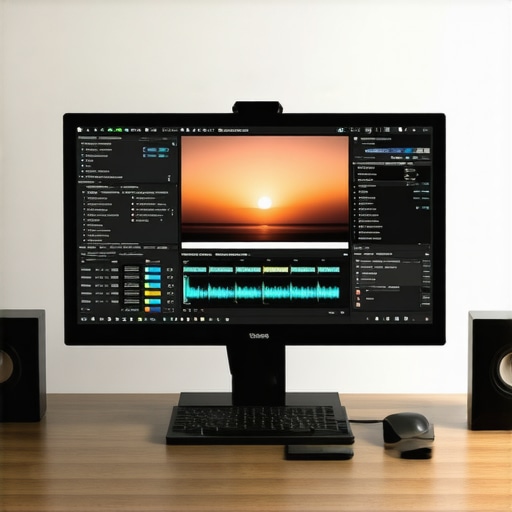
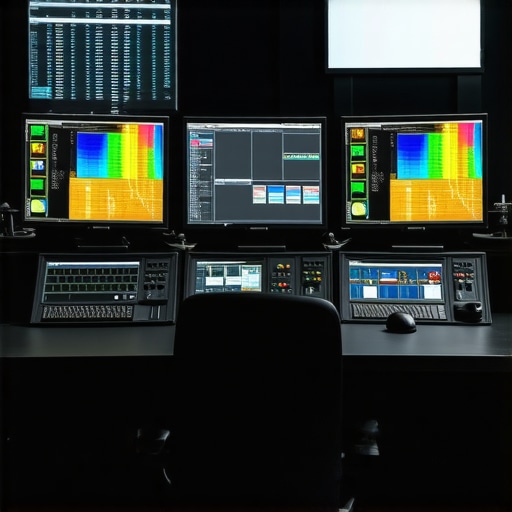
Image prompt: High-end professional HDR monitor in a studio setting, calibration devices, detailed color grading interface, modern workspace, high resolution
Harnessing Cutting-Edge Display Technologies to Elevate Visual Storytelling
Quantum dot and OLED technologies now enable a palette that rivals physical mediums, offering creators a toolset that captures subtle luminance and chromatic nuances. This technological synergy not only enhances the fidelity of digital art but also extends creative possibilities for cinematic post-production and immersive visual design. The Journal of Display Technology underscores that such innovations are instrumental in bridging the gap between digital rendering and real-world perception, fostering more authentic storytelling.
Strategic Approaches to Cost-Effective HDR Mastery
While premium monitors deliver unmatched performance, strategic calibration and workflow management can optimize results on more modest setups. Critical projects, however, demand investments in certified HDR displays with comprehensive calibration features. Industry analyses, including those from Digital Trends, advise that long-term consistency and adherence to standards like VESA DisplayHDR 1000 or Dolby Vision justify higher initial costs, ultimately safeguarding the integrity of high-stakes creative outputs.
Ensuring Consistency Through Continuous Calibration Vigilance
Routine hardware calibration, supported by automated tools and embedded color profiles, forms the backbone of sustained color fidelity. Integrating calibration schedules into daily workflows ensures that even as monitors age, their performance remains aligned with industry standards. Resources like Coloristi Magazine provide invaluable insights into establishing effective calibration routines tailored to professional environments, enabling creators to maintain unwavering visual standards over time.
Unlocking the Full Potential of HDR for Artistic Depth
HDR technology expands creative horizons by allowing luminance and color to reach new depths, essential for realistic visual narratives. Industry leaders like Dolby Laboratories emphasize that true HDR implementation involves maintaining fidelity across the entire tonal spectrum, not just peak brightness. This comprehensive approach ensures that visual storytelling resonates with authenticity, whether in high-end cinematic color grading or immersive digital art experiences.
Balancing Budget and Performance in HDR Display Selection
Choosing the right HDR monitor involves a nuanced assessment of features such as peak luminance, color coverage, and calibration support. While high-cost models guarantee top-tier performance, strategic choices involving near-certified displays combined with meticulous workflow calibration can deliver professional results at a lower cost. As reported by Digital Trends, a well-calibrated mid-range monitor can suffice for many demanding creative tasks, provided it meets core standards like VESA DisplayHDR 1000.
Engage with industry communities and participate in ongoing education to stay at the forefront of HDR technology and calibration advancements. Connecting with fellow professionals unlocks insights that can refine your workflow, ensuring your creative endeavors benefit from the latest in display innovation and color science.
Elevate Your Creative Vision with Expert-Grade HDR Monitors
For professionals dedicated to digital imaging, understanding the nuances of high dynamic range (HDR) technology and color accuracy is essential. The latest advancements in HDR monitors not only enhance visual fidelity but also streamline workflows, enabling creatives to produce work that meets the highest standards of precision. This article distills expert insights and curated resources to help you navigate the complex landscape of professional HDR display technology.
Insightful Strategies for Achieving Consistent Color Fidelity
Prioritize Hardware Calibration for Long-Term Accuracy
Investing in high-quality calibration tools like the X-Rite i1Pro or Calibrite ColorChecker ensures your monitor maintains color consistency over time. Regular calibration routines embedded into your workflow prevent drift, especially critical when working within expansive color spaces such as DCI-P3 or Adobe RGB.
Leverage Local Dimming and Quantum Dot Technologies
Modern HDR monitors equipped with local dimming and quantum dot backlighting deliver superior contrast ratios and wider color gamuts, essential for detailed color grading and high-fidelity visual work. These features allow you to capture the subtle luminance variations necessary for cinematic and print productions.
Utilize Industry Standards for Peak Performance
Certifications like VESA DisplayHDR 1000 or Dolby Vision serve as benchmarks for evaluating monitor performance. Selecting displays compliant with these standards guarantees peak brightness, color volume, and contrast, aligning your workflow with professional expectations.
Curated Expert Resources for Deepening Your Expertise
- International Color Consortium (ICC) – Offers comprehensive standards and calibration best practices for maintaining color accuracy across devices.
- Journal of Display Technology – Publishes cutting-edge research on display innovations and their impact on visual fidelity.
- Coloristi Magazine – Provides practical workflows, calibration routines, and industry insights tailored for high-end post-production environments.
- Digital Trends – Regularly reviews the latest HDR monitors and offers comparative analyses relevant for professional use.
- Monitors.WorkstationWizard.com – An authoritative platform with guides and reviews focused on professional-grade display technology and calibration techniques.
Final Perspective: Elevate Your Visual Workflow
Mastering the art of HDR monitor calibration and utilization unlocks new levels of creative precision. As technology continues to evolve, staying informed through expert insights and authoritative resources ensures your work remains at the forefront of visual fidelity. Embrace these advanced strategies and community connections to refine your craft and deliver uncompromising quality in every project. For ongoing updates and expert discussions, visit our community platform and contribute your expertise to the collective knowledge pool.
About the Author


This article offers a comprehensive look at the critical elements for choosing the right HDR monitors in 2024, especially emphasizing the importance of hardware calibration and technological features like OLED panels and quantum dots. As someone who recently upgraded my studio setup, I can attest to how these advancements truly elevate the precision of color grading and visual consistency. One aspect I found particularly useful was the discussion around calibration routines—regularly scheduled calibrations with high-end tools really do maintain color fidelity over time, which is essential for professional work.
I’m curious, for those of you working in fast-paced editing environments, what workflow adjustments or tools have you found most effective to balance the high standards of color accuracy with project deadlines? Have you experienced any pitfalls with calibration or monitor reliability, and how did you overcome them? Sharing these insights could help others navigate the tricky balance between top-tier quality and efficiency.