Ultimate Guide to Calibrated 4K Monitors for Photo & Video Editing 2024
Why Precision in Color Reproduction Defines Creative Excellence
In the realm of professional photo and video editing, the quest for absolute color accuracy is relentless. As 2024 ushers in advanced display technologies, calibrated 4K monitors stand at the forefront, enabling creators to achieve unprecedented fidelity. These monitors are not mere tools but vital assets that uphold the integrity of visual storytelling, ensuring every hue, shadow, and highlight is rendered with meticulous precision.
Deciphering the Complexities of Calibration for Creative Professionals
Calibration involves fine-tuning a monitor’s output to match industry standards such as Rec. 709, DCI-P3, or Adobe RGB. Professional editors leverage hardware calibration devices—like colorimeters and spectrophotometers—to eliminate color shifts and luminance inconsistencies. This process demands a nuanced understanding of color science, monitor panel technology, and ambient lighting conditions, all of which influence the perceived accuracy of the display.
Advanced Technologies Elevating Color Accuracy in 2024
Emerging innovations such as OLED panels with quantum dot enhancement, high-bit-depth processing, and hardware LUTs (Lookup Tables) significantly improve color precision. Additionally, the integration of HDR (High Dynamic Range) capabilities expands the tonal range, providing a more comprehensive palette for creative work. These features, when properly calibrated, transform a standard 4K monitor into a reliable reference for professional-grade editing.
What Are the Limitations of Calibration and How to Overcome Them?
Despite technological advancements, calibration faces challenges like panel uniformity, aging components, and software compatibility. Regular calibration schedules and the use of high-quality hardware calibration tools are essential to maintain accuracy over time. Moreover, understanding the spectral characteristics of different display technologies helps in selecting monitors that sustain color fidelity throughout their lifespan.
How Do Color Management Systems Impact Calibration Results in High-End Editing Suites?
Color management systems (CMS) synchronize the monitor profile with editing software and workflow environments. When properly configured, they ensure a consistent color experience across devices, reducing discrepancies that could compromise the final output. This interoperability is crucial for professionals engaged in multi-device workflows or collaborative projects.
To explore the latest in HDR and calibration technologies, consult authoritative sources such as the HDR monitor guide for 2025. Staying informed about these developments allows creatives to make data-driven decisions aligned with industry standards.
For those committed to achieving perfection in their visual projects, mastering the nuances of display calibration is non-negotiable. Consider engaging with expert communities or professional calibration services to refine your setup continually. Your investment in precision today ensures that your creative vision remains uncompromised in every pixel rendered.
Interested in deepening your understanding? Discover more about top professional monitors for color accuracy and elevate your editing workflow to the highest standards.
Refining Color Profiles for Dynamic Creative Environments
In professional workflows, especially those involving high-end video editing and photography, the importance of maintaining consistent color profiles cannot be overstated. Calibration extends beyond initial setup; it involves a dynamic process of recalibrating monitors to account for aging components, ambient light changes, and software updates. For instance, hardware calibration tools like colorimeters and spectrophotometers are essential to keep your display aligned with industry standards such as Adobe RGB or DCI-P3. Regular calibration sessions—preferably monthly—ensure that your visual output remains reliable and true to source material.
How Emerging Display Technologies Are Reconfiguring Creative Possibilities
New advancements, such as quantum dot OLED panels and high-bit-depth processing, are pushing the limits of what calibrated monitors can achieve. These technologies enable a broader color gamut, higher contrast ratios, and deeper blacks, which are crucial for color grading and detailed visual work. Additionally, integrated hardware LUTs (Lookup Tables) allow for complex color mappings to be stored directly within the monitor, providing a more consistent and accurate display environment. To explore these innovations further, check out the ultimate guide to calibrated monitors for creative professionals.
What Are the Practical Limitations When Using Advanced Calibration Techniques?
Despite technological leaps, calibration still faces hurdles such as panel uniformity issues, spectral response variations, and the inevitable aging of display components. These factors can introduce subtle discrepancies over time, which might compromise color consistency. Implementing a comprehensive calibration routine, combined with high-quality hardware and software, mitigates these effects. Moreover, understanding the spectral response of your specific panel type helps in selecting monitors that retain their calibration stability longer, ensuring that your creative projects are never compromised by display inaccuracies.
Stay informed about the latest calibration strategies by consulting authoritative sources like the best HDR 4K monitors for professional use in 2024. Incorporating these insights into your workflow guarantees that your visual outputs meet the highest standards of precision and fidelity.
If you’re eager to deepen your understanding of display calibration or need tailored advice, consider reaching out through our contact page. Sharing your experiences and challenges can help you discover solutions that elevate your creative process.
Interested in exploring how color management systems enhance calibration results? Discover expert insights and practical tips by reading the ultimate guide to calibrated HDR 4K monitors.
Unlocking the Secrets of Spectral Response and Panel Uniformity for Ultimate Color Fidelity
Achieving true color accuracy isn’t merely about calibration—it involves understanding the nuanced spectral response of different display technologies. Each panel type, whether IPS, OLED, or QLED, exhibits unique spectral characteristics that influence how colors are perceived and reproduced. For instance, OLED panels typically offer deeper blacks and wider contrast ratios, but their spectral response might vary slightly across the spectrum, impacting calibration precision. By conducting spectral analysis using spectrophotometers, professionals can tailor calibration profiles that compensate for these subtleties, ensuring consistency and fidelity across all visual outputs.
Furthermore, panel uniformity plays a critical role in maintaining color consistency across the entire display surface. Variations in luminance and color temperature—often caused by manufacturing tolerances—can introduce subtle but perceptible discrepancies. Advanced calibration routines now incorporate uniformity mapping, which detects and compensates for these inconsistencies, providing a more homogeneous visual experience. Implementing such techniques requires high-end hardware and software tools, but the payoff is a display that maintains pixel-perfect accuracy regardless of viewing angle or position.
For a comprehensive approach, integrating spectral response measurement with uniformity correction creates a calibration environment that mirrors professional industry standards, such as those outlined by the International Color Consortium (ICC). This process is especially vital in high-stakes fields like cinematic color grading or precision print workflows, where even minor deviations can compromise the final product’s integrity.
How High-Precision Hardware and Software Elevate Calibration in Complex Workflows
In sophisticated creative environments, calibration extends beyond simple adjustments—it’s an ongoing, iterative process that demands high-precision tools and intelligent software. Hardware calibration devices like spectrophotometers and multi-channel colorimeters deliver detailed spectral data, capturing subtle variances that influence color rendition. When paired with advanced software solutions capable of generating custom LUTs (Lookup Tables), professionals can embed complex color mappings directly into display hardware, ensuring that the monitor reflects the intended color space with exceptional accuracy.
Moreover, software algorithms now incorporate machine learning models that adapt calibration profiles based on environmental changes, aging components, or software updates. These adaptive systems proactively maintain calibration fidelity, reducing the need for manual recalibration and minimizing downtime. For instance, some calibration suites utilize AI-driven corrections that analyze real-time display performance and adjust parameters dynamically, ensuring persistent consistency in demanding workflows.
Such integration of hardware and software is particularly relevant in multi-monitor setups, where maintaining color harmony across devices is paramount. Employing synchronized calibration routines and shared color profiles enables seamless collaboration and output uniformity, critical in professional post-production studios and high-end design firms.
What are the most innovative calibration solutions emerging in 2024 for high-end creative setups?
Emerging calibration solutions now leverage cloud-based data sharing, enabling remote calibration validation and updates. Companies like Calibrite and X-Rite have introduced cloud-connected calibration tools that store profiles securely, allowing multiple devices to be calibrated uniformly across different locations. Additionally, developments in multispectral imaging and AI-driven spectral analysis promise even more granular control over color fidelity, especially for displays with complex spectral responses like quantum dot OLEDs. These innovations are shaping the future of professional display calibration, making it more accessible, precise, and adaptable than ever before.
Stay ahead in your creative pursuits by integrating these cutting-edge calibration techniques. For expert insights and tailored advice, explore resources from industry-leading organizations such as the International Color Consortium and specialized calibration equipment providers. Mastery of these advanced methods will ensure your visual projects consistently meet the highest standards of color accuracy and visual excellence.
Elevating Creative Precision with Next-Gen Calibration Techniques
In 2024, the pursuit of impeccable color accuracy demands a nuanced understanding of emerging calibration methodologies. Professionals are now leveraging multispectral spectrophotometers paired with AI-enhanced software to dissect and optimize display spectral responses, ensuring that each pixel aligns flawlessly with industry standards like DCI-P3 or Adobe RGB. Such precision transcends conventional calibration, enabling a new echelon of visual fidelity critical for cinematic grading, high-end photography, and immersive VR content creation.
Why Uniformity and Spectral Response Shape Artistic Outcomes
Achieving true color consistency across a monitor’s surface involves more than surface-level adjustments; it requires a comprehensive approach to spectral response mapping. Variations in panel uniformity—often subtle but visually impactful—are now mitigated through advanced uniformity correction algorithms integrated into calibration workflows. 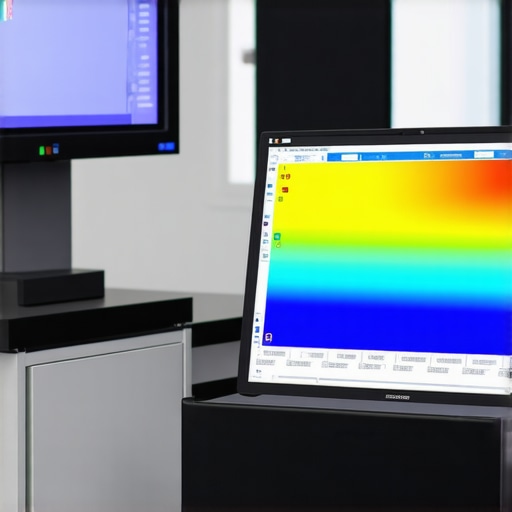 These techniques, borrowed from high-precision manufacturing, ensure that even the most demanding visual projects maintain pixel-perfect integrity, vital for projects where color discrepancies could compromise artistic intent.
How Do Cutting-Edge Calibration Tools Influence Creative Workflow?
High-precision hardware, such as multi-channel spectrophotometers, combined with adaptive software harnessing machine learning, revolutionize calibration routines. These systems continuously monitor display performance, dynamically adjusting LUTs (Lookup Tables) to counteract aging effects and environmental shifts. The result is a stable, reliable color environment that sustains calibration fidelity over extended periods, streamlining workflows in professional studios and demanding production environments.
Can Advanced Calibration Achieve Consistency Across Multiple Devices?
Absolutely. Synchronizing color profiles across multiple calibrated displays involves intricate workflows that utilize cloud-based profile management and real-time calibration sharing. This ensures that collaborative teams experience uniform color rendition, maintaining visual coherence from editing suites to client presentations. Industry standards like ICC profiles are now dynamically integrated into these workflows, reducing discrepancies and enhancing project integrity.
What Innovations Are Defining Calibration in High-End Visual Environments?
Emerging solutions such as spectral imaging coupled with AI-driven spectral response analysis are pushing calibration boundaries. These technologies allow for hyper-precise profiling of complex display technologies like quantum dot OLEDs, which exhibit unique spectral behaviors. Cloud-connected calibration ecosystems facilitate remote validation and updates, ensuring that even geographically dispersed teams maintain peak accuracy. For comprehensive insights, consult authoritative resources like the International Color Consortium and leading calibration device manufacturers.
Stay at the forefront of visual excellence by integrating these sophisticated calibration approaches. Your mastery over these tools will directly translate into uncompromising quality in every pixel of your creative output.
Push the Boundaries of Visual Precision in Your Work
In the ever-evolving landscape of professional visual creation, staying ahead means embracing the latest advances in display calibration and color management. 2024 introduces groundbreaking technologies that empower creative professionals to achieve unparalleled accuracy, consistency, and depth in their projects.
Leverage Spectral Response Analysis for Ultimate Accuracy
Understanding the spectral response of your display panels—whether OLED, IPS, or QLED—enables precise calibration tailored to each technology’s unique characteristics. Utilizing multispectral spectrophotometers allows for detailed profiling, ensuring your colors are rendered with industry-standard fidelity across the entire spectrum.
Implement Real-Time Adaptive Calibration Systems
Cutting-edge calibration solutions now incorporate AI-driven algorithms that adapt dynamically to environmental changes, aging components, and software updates. This continuous calibration maintains consistent image quality, reducing manual interventions and safeguarding your creative output’s integrity over time.
Integrate Uniformity Mapping for Homogeneous Output
Advanced uniformity correction techniques compensate for luminance and color inconsistencies across the display surface. Combining these with spectral analysis creates a cohesive, pixel-perfect visual environment vital for high-stakes tasks like cinematic grading or precise digital art creation.
Explore Cloud-Connected Calibration Ecosystems
Remote calibration management through cloud platforms facilitates synchronized profiling across multiple devices and locations, ensuring uniformity in collaborative projects. These ecosystems also enable seamless updates and validation, keeping your setup aligned with the latest industry standards.
Curated Resources to Elevate Your Expertise
- International Color Consortium (ICC): The definitive authority on color management standards, offering comprehensive guidelines and profiles for professional workflows.
- X-Rite and Calibrite Calibration Solutions: Industry leaders providing hardware and software tools that support high-precision spectral analysis and adaptive calibration.
- HDR Monitor Guides for 2024: Expert-curated articles and reviews that delve into the latest HDR technologies and calibration techniques.
Refined Perspectives for the Discerning Creative
Achieving impeccable color fidelity in 2024 demands a combination of spectral response mastery, adaptive calibration, and innovative uniformity correction. These strategies, rooted in expert insights and technological advancements, elevate your creative process to new heights. For professionals committed to excellence, continually refining your calibration approach—supported by authoritative resources—ensures your visual outputs are both precise and impactful. Dive deeper, stay informed, and let your work reflect the true potential of your tools and talent.
About the Author

![3 Calibrated Monitors That Solve 2026 OLED Black Crush [Tested]](https://monitors.workstationwizard.com/wp-content/uploads/2026/03/3-Calibrated-Monitors-That-Solve-2026-OLED-Black-Crush-Tested.jpeg)