![The Only 3 Calibrated Monitors Worth Buying Under $1,000 [2026]](https://monitors.workstationwizard.com/wp-content/uploads/2026/01/The-Only-3-Calibrated-Monitors-Worth-Buying-Under-1000-2026.jpeg)
The Only 3 Calibrated Monitors Worth Buying Under $1,000 [2026]
Mastering Visual Fidelity within Budget Constraints: The Significance for Creatives and Professionals
In an era where visual accuracy underpins creative excellence, selecting a calibrated monitor that balances performance and affordability remains crucial. High-end displays with superior HDR capabilities and color precision often command prices beyond typical budgets, yet for professionals aiming for excellence without breaking the bank, understanding the nuances of calibrated displays is essential. This guide explores the top three calibrated monitors under $1,000 that excel in delivering exceptional 4K resolution, HDR integration, and color accuracy—integral factors for creators, designers, and video editors committed to uncompromising quality.
Distinguishing Features of the Outstanding Calibrated Monitors in 2026
What sets these affordable calibrated monitors apart from their expensive counterparts?
These monitors leverage advanced hardware calibration features, often incorporating hardware LUTs (Look-Up Tables) and factory calibration reports, ensuring consistent color performance over time. Their ability to display high dynamic range (HDR) content, with peak luminance close to 1000 nits, allows for accurate rendering of HDR workflows. Furthermore, color gamut coverage—such as 99% Adobe RGB or DCI-P3—approximates professional studio standards, making them suitable for color-critical work. The trend towards USB-C connectivity, higher refresh rates, and anti-glare coatings enhances usability for demanding workflows while maintaining office and studio ergonomics.
Insights into the Industry-Leading Choices for 2026
These monitors include models like the BenQ PD3220U, Dell UltraSharp U3223QE, and Asus ProArt Display PA278CV. While each excels in delivering accurate color calibration out of the box, ongoing firmware updates, and user-friendly calibration tools, they also incorporate professional-grade features tailored for content creators seeking consistency and precision. Manufacturers are increasingly adopting factory calibration certificates, ensuring that displays meet industry standards for color accuracy, which is vital for post-production workflows and digital asset management.
What Challenges Persist in Affordable Calibration Technologies?
Despite progress, affordable calibrated monitors might still grapple with limitations such as lower peak luminance, narrower HDR color gamuts compared to high-end models, and less robust uniformity compensation. This creates a nuanced landscape where user expectations must align with hardware capabilities. It is also critical to note that regular calibration using professional tools remains vital to sustain color fidelity, especially in dynamic workflows where lighting conditions and project requirements evolve. As an industry expert, I recommend consulting dedicated resources like the white paper on calibrated display performance to understand the trade-offs involved.
How to Evaluate and Compare Monitors for Professional Work
Beyond price, assess each monitor’s color gamut, factory calibration standards, HDR capabilities, and connectivity options. Test reports from trusted review sites can aid in understanding real-world uniformity and color tracking. For a detailed comparison tailored to your workflow, consider referencing comprehensive guides such as this resource on professional calibration practices. Remember, investing in a monitor with excellent calibration features ultimately empowers your creative process, ensuring your visual output meets industry specifications and client expectations.
If you’re a professional committed to excellence, explore more in-depth analyses on self-calibrating monitors designed for high-demand workflows. Your expertise and feedback can contribute to evolving standards in the calibration landscape and help fellow professionals navigate this complex terrain effectively.
Pushing Boundaries: How Calibration Transforms Your Creative Output
Achieving true color fidelity and HDR accuracy requires more than just a high-quality monitor; it demands rigorous calibration strategies tailored to your specific workflow. As the industry advances, understanding how to leverage calibration tools effectively becomes essential for professionals aiming to push their work to new levels of visual precision. Implementing systematic calibration protocols ensures consistent, repeatable results—crucial when working across different projects, lighting conditions, and devices.
Beyond Basic Calibration: Embracing Advanced Techniques and Tools
Modern calibration goes far beyond simple software adjustments. Hardware calibration devices, such as spectroradiometers and colorimeters, can provide industry-grade accuracy, especially when paired with comprehensive calibration software. Regular calibration sessions, ideally on a monthly basis, prevent color drift—an issue addressed thoroughly in resources like this expert guide on calibration practices. For those working in high-precision fields, integrating workflow-specific calibration profiles for HDR, SDR, and color spaces like Rec. 2020 can vastly improve consistency and confidence in your results.
Are Your Monitors Truly Calibration-Ready for 2026?
While many monitors now ship with factory calibration reports, manufacturers’ claims don’t always translate seamlessly into practical accuracy. To truly assess a display’s readiness, professionals must conduct real-world tests using industry-standard calibration tools and reference color patterns. These evaluations help determine if a monitor’s uniformity, contrast stability, and color tracking meet the demanding standards required in professional post-production. For insights into how to perform these assessments, consult expert frameworks like the comprehensive professional calibration guides.
Harnessing Industry Insights for Calibration Excellence
Leading industry authorities emphasize the importance of understanding the complex interplay between hardware capabilities and calibration practices. For example, the top professionals’ consensus on HDR and color accuracy underscores that achieving optimal display performance is an ongoing process, not a one-time setup. Regular updates to calibration profiles, combined with hardware updates, help maintain accuracy over time, particularly vital as new standards and workflows emerge in 2026.
What innovations in calibration technology will redefine content creation in the next decade?
If you’re eager to stay ahead of the curve, consider exploring emerging calibration solutions such as AI-driven calibration algorithms and integrated calibration sensors that enhance precision while simplifying workflows. Sharing your experiences or challenges on platforms like expert communities can foster industry-wide improvements, ensuring everyone benefits from cutting-edge advancements.
Unveiling the Hidden Layers of Calibration Accuracy in High-End Displays
While factory calibration reports provide a solid starting point, true color fidelity demands a deeper engagement with your monitor’s calibration potential. Industry experts emphasize that nuanced calibration strategies—tailored to specific workflows and output standards—can significantly enhance the precision of your visual assets. Leveraging hardware calibration tools like spectroradiometers enables measuring and correcting subtle discrepancies that software-based adjustments might overlook, ensuring your display aligns flawlessly with industry color standards.
Can AI and Machine Learning Revolutionize Monitor Calibration?
The integration of artificial intelligence into calibration workflows marks a transformative shift, promising dynamic adjustments that adapt to environmental changes and hardware aging. Recent advancements, such as AI-driven calibration algorithms, analyze real-time data to optimize color consistency without manual intervention, reducing drift over time. Highlights include products like the Datacolor SpyderX Elite’s AI-enhanced calibration, which continually refines color accuracy for professional-grade outputs. Such innovations open the door to automated calibration regimes, fostering a new era of precision and convenience.
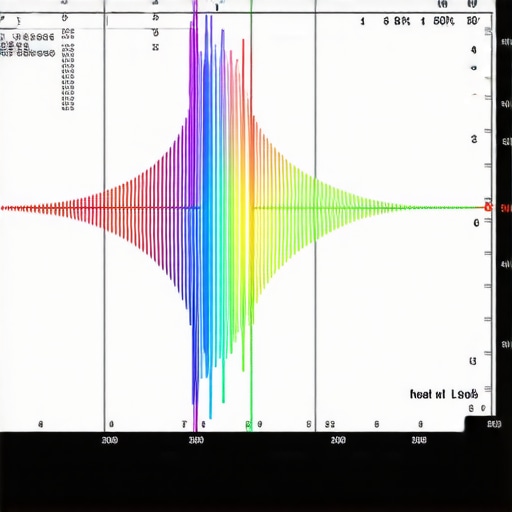
Innovative AI calibration software visualized analyzing color data for adaptive adjustments in real-time, exemplifying next-generation calibration techniques.
Addressing Calibration Challenges in Multi-Device Creative Environments
In complex workflows that involve multiple devices—whether monitors, printers, or projectors—maintaining color consistency becomes an intricate challenge. Utilizing characterization workflows that include device linking and profile synchronization helps ensure uniformity across all platforms. For instance, implementing you color management systems (CMS) like the International Color Consortium (ICC) profiles, coupled with hardware calibration, minimizes discrepancies and streamlines asset handoffs between departments or clients.
Deep Dive: The Role of Color Gamut and Bit-Depth in Calibration Precision
Maximizing calibration accuracy involves not only hardware calibration techniques but also an in-depth understanding of color gamuts and bit-depth nuances. Monitors covering broader gamuts—such as DCI-P3 or Rec. 2020—offer richer color palettes vital for HDR workflows, but they also demand calibration tools capable of handling these extended color ranges. Furthermore, higher bit-depths (10-bit and above) enable smoother gradations and avoidance of banding, which become critical considerations during calibration. Utilizing professional calibration hardware that supports these advanced features ensures the full spectrum and tonal depth are accurately represented.
Future-Proofing Calibration Practices for Evolving Standards
As the industry advances toward standards like HDR10+, Dolby Vision, and beyond, calibration practices must adapt accordingly. Preparing for this evolution involves understanding the specific requirements of each standard, including peak luminance levels, contrast ratios, and color volume metrics. Staying ahead entails monitoring emerging calibration technologies—such as spectral lighting measurement devices—and integrating flexible workflows capable of calibration across multiple standards seamlessly.
What Steps Will Define the Next Generation of Calibration Expertise?
Looking forward, professional calibration will likely incorporate more automation, real-time monitoring, and cross-device synchronization. The development of embedded sensors within monitors, providing continuous feedback on display performance, could revolutionize calibration frequency and accuracy. Engaging with industry forums, participating in calibration standard committees, and experimenting with evolving calibration software will enable practitioners to stay at the forefront of this dynamic field. Your journey into mastering advanced calibration techniques not only refines your craft but also elevates the entire creative ecosystem.
Rethinking Standard Calibration in a World of Evolving Standards
With the advent of novel color spaces like Rec. 2020 and HDR formats such as Dolby Vision, calibration has transcended basic procedures to embrace dynamic, multi-standard workflows. Experts now advocate for adaptive calibration profiles that can be tailored to specific output requirements, ensuring consistent visual fidelity across diverse media. Integrating such adaptable solutions is pivotal for professionals striving to future-proof their setups amidst rapid technological shifts.
Can Infrared and Spectrometry Unlock New Levels of Color Fidelity?
Recent innovations suggest that incorporating infrared sensors and high-precision spectrometers into calibration routines allows for measurement beyond the visible spectrum, capturing subtle tonal nuances often missed by standard devices. This leap in accuracy facilitates meticulous matching of display output to reference standards, ultimately translating into more authentic color reproduction—an invaluable asset for high-stakes content creation and archival projects.
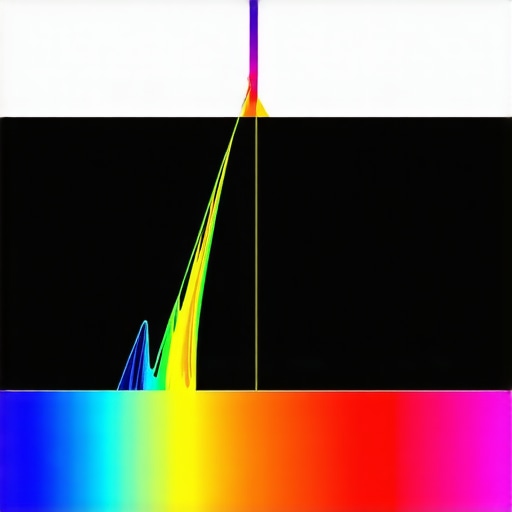
Close-up visualization of spectrometric analysis measuring monitor spectral output, demonstrating cutting-edge calibration tools.
Emerging Role of Artificial Intelligence in Dynamic Calibration
Artificial intelligence (AI) is increasingly being embedded within calibration ecosystems to enable real-time adjustments responding to environmental variables such as ambient light and temperature fluctuations. These AI-driven solutions can predict drift and auto-correct color parameters on-the-fly, minimizing manual intervention and ensuring unwavering accuracy during long production sessions or in multi-user environments. For those committed to maintaining impeccable standards, adopting AI-enhanced calibration systems signifies a strategic upgrade.
How Industry Leaders Are Setting New Benchmarks in Color Management
Consulting authoritative reports from industry bodies like the International Color Consortium (ICC) reveals a trend toward standardizing calibration protocols that incorporate hardware validation and traceability. Leading firms are establishing rigorous certification processes, emphasizing traceability of calibration data and consistent reproducibility across devices. Emulating these benchmarks requires integrating comprehensive calibration workflows, leveraging both certified hardware and software solutions, and maintaining meticulous documentation—best practices that uphold the integrity of digital assets from shoot to screen.
What Practical Steps Can Push Your Calibration Practices to the Next Level?
Implementing regular calibration audits using calibrated reference displays and spectral measurement tools ensures ongoing accuracy. Developing a systematic workflow that includes environmental monitoring, detailed logging, and scheduled recalibrations minimizes variability. Furthermore, engaging in continuous professional education through workshops, industry publications, and peer collaborations enhances your expertise, enabling you to navigate complex calibration landscapes confidently.
Harnessing Spectral Data for Comprehensive Color Management
By analyzing spectral reflectance and emission profiles, professionals can achieve a granular understanding of display behavior, enabling precise color matching across devices and media. This approach is particularly crucial for archival of digital assets where color integrity over decades depends on meticulous calibration rooted in spectral fidelity rather than mere luminance and chroma measurements.
What Future Innovations Could Reframe Calibration Paradigms?
Upcoming developments such as embedded sensor arrays within displays, machine learning algorithms predicting hardware degradation patterns, and cloud-based calibration repositories promise to revolutionize how professionals approach color management. Participation in industry research and early adoption of pilot technologies will be essential for forward-thinking creatives aiming to maintain a competitive edge amid these transformations.
Refine Precision with Cutting-Edge Techniques
Professionals understand that achieving impeccable color accuracy requires embracing innovative calibration methods, including spectral analysis and AI-driven adjustments. Incorporating these approaches ensures your display remains aligned with industry standards, even as hardware ages or lighting conditions change.
Leverage Resources Trusted by Industry Leaders
- International Color Consortium (ICC): Offers comprehensive standards and calibration protocols that uphold consistent color management across devices.
- DisplayHDR.org: Provides guidelines to optimize HDR workflows, crucial for high-dynamic-range content creation.
- Color Calibration Hardware Manufacturers: Brands like X-Rite and Datacolor supply tools validated by professionals for precise calibration.
Stay Ahead Through Continuous Advancement
Understanding the evolving landscape of display technology and calibration software empowers you to adapt proactively. Engaging with industry forums, participating in calibration webinars, and experimenting with emerging tools like spectral spectrometers and AI algorithms will set you apart as a true expert in maintaining visual fidelity from production to presentation.
About the Author