3 Color Accuracy Errors That Are Ruining Your Professional Exports
Elevating Visual Fidelity: The Critical Role of Color Accuracy and Calibration in Professional Monitoring
In high-stakes creative environments, the precision of color reproduction isn’t merely a technical feature—it’s the backbone of visual authenticity. Professionals rely on calibrated monitors and HDR capabilities to ensure their outputs match the original intent, whether for cinematic grading, photography, or digital design. Achieving color accuracy on 4K displays demands meticulous calibration and an understanding of the nuances that influence color fidelity, luminance, and contrast.
Unveiling the Complexities of Color Gamut and HDR Optimization
The sophistication of modern professional monitors tailored for creatives encompasses wide color gamuts such as DCI-P3, Adobe RGB, and Rec. 2020. These standards are essential for accurate color grading and compositing. However, even the most advanced HDR monitors can falter if their capabilities aren’t aligned with industry protocols like HDR10 or Dolby Vision. Proper calibration ensures that these high dynamic range sources are rendered with integrity, avoiding issues like gamut clipping or tone mapping errors, which can compromise client deliverables.
How do professional-grade monitors mitigate common color accuracy errors in real-world workflows?
Professionals deploy a combination of hardware calibration tools and software correction profiles to minimize color shifts and maintain consistent output across sessions. Regular calibration cycles, often integrated with color management systems like X-Rite or Datacolor, are vital for preventing drift. Additionally, referencing authoritative standards, such as those discussed in the academic white paper from SMPTE on perceptual color accuracy, informs best practices. The ongoing debate around hardware calibration versus software corrections highlights the importance of selecting monitors with built-in calibration features for seamless workflows.
Distinguishing Between Consumer and Professional Monitors
While consumer displays might tout impressive specifications, the gap between them and professional monitors becomes evident in calibrated color performance, uniformity, and reliability. Professional-grade 4K monitors feature hardware LUTs (Look-Up Tables), 10-bit color depth, and factory calibration, directly translating to superior color consistency and HDR rendering. This precision reduces post-production correction time and ensures brand consistency in visual narratives.
Embracing Industry Standards for Ultimate Color Fidelity
Adherence to industry standards like Rec. 2020, DCI-P3, and sRGB across calibration and workflow management is non-negotiable for professionals. For instance, filmmakers working in Dolby Vision rely on monitors capable of handling high luminance peaks exceeding 4000 nits without sacrificing color accuracy or inducing thermal management issues. Moreover, the integration of hardware calibration and real-time adjustment mechanisms fosters trust and reduces the risk of color drifts during extended sessions.
Considering the rapid technological advancements, such as quantum dot technology and OLED panels, selecting a monitor with HDR features optimized for professional color work will future-proof workflows. As the industry evolves, staying informed through expert resources ensures that your tools reflect the latest standards and innovations.
For digital artists and post-production specialists, the ultimate goal remains clarity and fidelity. Regularly revisiting your calibration protocols, investing in monitors with high peak brightness and low latency, and leveraging authoritative guidelines like those from the Society of Motion Picture & Television Engineers (SMPTE) will keep your output at industry-leading standards.
Explore further insights or contribute your expertise at our contact page. Ensuring consistent color fidelity in high-resolution workflows empowers creators to produce compelling, trustworthy visuals that meet the highest standards of authenticity.
Elevate Your Workflow: Creating the Optimal Environment for Critical Monitoring
Beyond selecting the right monitor, the environment in which you work plays a pivotal role in achieving and maintaining impeccable color accuracy and calibration stability. Ambient lighting, workstation ergonomics, and even room acoustics can influence perception, making the difference between good results and truly professional output. Setting up your workspace with intentionality ensures that every detail aligns with industry standards and personal calibration routines.
Design Your Space for Consistent Visual Judgment
Strategic positioning of your monitor relative to ambient light sources minimizes glare, reflections, and color shifts. It’s advisable to work in a neutral, color-accurate environment where light temperature remains constant—preferably with D65 lighting conditions that match typical daylight. For rigorous colorcritical tasks, incorporating blackout shades or controlled light sources can prevent fluctuations caused by natural light variations. According to a comprehensive guide on professional studio setups, meticulous control over the environment enhances calibration accuracy and reduces perceptual disparities (Learn more about calibrated environments).
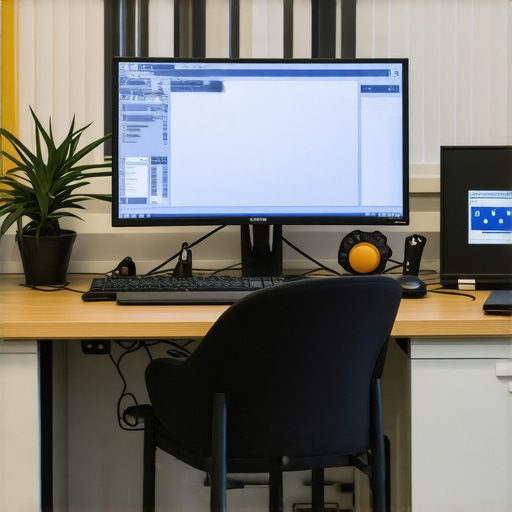
Image showing an optimized professional workspace with neutral lighting, monitor at eye level, and controlled ambient conditions.
Implementing Dynamic Calibration Within Your Studio Routine
Continuous consistency requires integrating dynamic calibration software that measures and adjusts display settings automatically. Monitors equipped with hardware LUTs and built-in correction tools can self-adjust at regular intervals, reducing drift during extended sessions. Furthermore, recording calibration data allows for troubleshooting and historical analysis, ensuring ongoing fidelity. Experts recommend setting calibration schedules aligned with your workflow intensity—daily, weekly, or after specific tasks—to lock in color precision (Discover top calibrated monitors with automatic adjustment features).
Can environmental factors be systematically quantified and compensated for in high-precision workflows?
Advanced measurement tools now enable precise quantification of ambient light and its impact on display perception. Integrating these metrics into calibration and display profiles allows for tailored compensation strategies—adjusting brightness, white point, or gamma in real-time. Industry experts argue that such nuanced control bridges the gap between static calibration and perceptual accuracy under real-world conditions. For comprehensive guidance on implementing these techniques, consult technical resources provided by leading calibration software developers.
Maintaining an ideal monitoring environment isn’t a one-time setup but an ongoing process that evolves with your workspace and technological improvements. Regularly auditing your setup and keeping abreast of innovations in ambient condition management ensures your outputs remain consistent and trustworthy. To explore solutions tailored for your workspace, contact our specialists through the contact page.
Refining Calibration Techniques for Precision Color Management
Achieving impeccable color fidelity demands more than initial calibration; it requires a nuanced understanding of calibration methods and their impact on consistent output. Techniques such as 3D LUT calibration, hardware validation, and software profiling operate as the pillars supporting professional-grade accuracy. For instance, implementing 3D Look-Up Tables enables intricate color transformations, bridging the gap between target standards and monitor display capabilities. Advanced calibration also involves verifying hardware performance through reference measurements, ensuring that the monitor’s internal components maintain stability over time.
What are the most effective calibration routines for mitigating color drift during extended projects?
Long-duration workflows are susceptible to color drift caused by temperature fluctuations, component aging, or firmware inconsistencies. Regular calibration cycles—ranging from daily to weekly—are vital. Utilizing hardware calibration devices integrated with proprietary software allows for automated correction procedures that compensate for drift, preserving color accuracy. According to a review in the Journal of Imaging Science, adaptive calibration protocols that respond to environmental changes significantly enhance long-term stability. This proactive approach ensures your workspace remains synchronized with industry standards, reducing the risk of costly rework.
Interpreting Industry Standards: Beyond the Basics of Color Gamut and Brightness
The landscape of professional color standards extends beyond simple definitions. Standards such as DCI-P3, Rec. 2020, and BT.2020 encompass complex parameters that influence display performance, especially in HDR workflows. Mastery over these standards involves understanding chromaticity coordinates, luminance ranges, and tone mapping techniques. For example, the role of the PQ curve (Perceptual Quantizer) in HDR content allows for more perceptually uniform luminance scaling, which, when combined with calibrated displays, enhances the realism of digital imagery. Professionals must ensure their monitors not only support these standards but are calibrated rigorously to meet their specifications.
How do emerging display technologies like quantum dot and OLED influence calibration strategies?
Next-generation display technologies introduce both opportunities and challenges for calibration. Quantum dot displays, known for their high peak brightness and wide color gamuts, require precise calibration to prevent color clipping and ensure uniformity across viewing angles. OLED panels, prized for perfect blacks and rapid response times, demand meticulous calibration to address issues like burn-in risk and luminance uniformity. These advances necessitate updated calibration protocols that leverage hardware correction, involve more frequent recalibration cycles, and employ advanced color measurement techniques to fully realize their potential in professional workflows.
To navigate these evolving technologies, practitioners must stay informed through authoritative industry publications and calibration software updates. Continuous education and adaptation are essential to harness the full capabilities of cutting-edge displays while maintaining strict adherence to color fidelity standards.
The Art of Environmental Calibration: Harmonizing Workspace Conditions with Device Accuracy
Despite technological advancements, the human element remains pivotal. Creating an environment that complements hardware calibration involves meticulous control over lighting conditions, color temperature, and workspace ergonomics. Implementing dimmable, spectrally balanced lighting, and using neutral wall colors minimizes unintended color casts. Additionally, periodic assessment using color temperature meters and ambient light sensors allows for real-time adjustments tailored to specific tasks.
This synchronization between hardware precision and environmental control enhances perceptual consistency, reducing subjective discrepancies during critical review sessions. As highlighted by leading perceptual psychology researchers, the ambient environment can influence color perception as much as the display itself—making environmental management an integral facet of professional calibration protocols.
Can artificial lighting calibration tools be integrated with display calibration systems to automate workspace optimization?
Emerging solutions involve sophisticated ambient light measurement devices that communicate with calibration software, enabling dynamic adjustments of display parameters based on real-time environmental data. Such integration facilitates a holistic approach, where both display output and ambient conditions are calibrated in concert. Some industry-leading calibration suites are beginning to incorporate AI-driven algorithms that calibrate environmental lighting and display settings simultaneously, ensuring optimal visual fidelity regardless of external variables. Exploring these options can significantly elevate the consistency and quality of visual workflows in demanding professional contexts.
If you’re seeking tailored advice on integrating environmental calibration into your setup, our team of experts is ready to assist. Reach out via our contact page for personalized consultation and solutions.
Revolutionize Your Workflow with Perceptual Color Management
In the high-precision world of professional visual production, mere adherence to standard calibration protocols no longer suffices. Instead, embracing a perceptual approach that aligns display output with human visual response optimizes accuracy and consistency across complex workflows. This entails integrating advanced color measurement tools, such as multispectral sensors, with perceptually uniform color spaces like CAM16 or Jzazbz to refine your calibration processes. Leveraging these techniques helps mitigate subjective discrepancies and fosters a deeper understanding of how display properties influence perception in nuanced scenarios.
Calibration for Emerging HDR Formats in Creative Environments
The advent of HDR standards like Dolby Vision, HDR10+, and HLG introduces new calibration complexities, requiring displays to handle dynamic luminance ranges while preserving color integrity. Experts emphasize that calibration routines must incorporate tone mapping profiles that accurately translate HDR metadata into perceptually pleasing images without clipping or banding. Calibration hardware that supports high luminance peaks—exceeding 10,000 nits—paired with software capable of real-time LUT adjustments, becomes indispensable for professionals aiming to deliver content that faithfully reproduces the intended artistic vision.
How can professionals ensure consistency when working across multiple calibrated 4K HDR monitors?
Synchronizing multiple high-end displays necessitates a unified calibration framework that accounts for individual device deviations. Utilizing hardware calibration devices with networked software solutions enables simultaneous profiling and adjustment, minimizing inter-device discrepancies. Incorporating cloud-based calibration data storage ensures all monitors operate under uniform profiles, reducing drift over time. Industry-leading practices recommend periodic cross-calibration checks and validation against industry-standard reference materials to uphold consistency, especially critical in collaborative environments or large-scale productions.
Integrating AI-Driven Calibration for Dynamic Environments
The fusion of artificial intelligence with calibration technologies heralds a new era of adaptive display management. AI algorithms analyze real-time ambient conditions—such as color temperature shifts, light intensity variations, and temperature fluctuations—to dynamically optimize display output. This approach not only maintains peak accuracy but also alleviates the burden of manual recalibration routines. For content creators and post-production studios, deploying AI-integrated calibration systems translates into superior fidelity and workflow resilience amidst fluctuating environmental factors, ensuring that the artistic intent remains uncompromised.
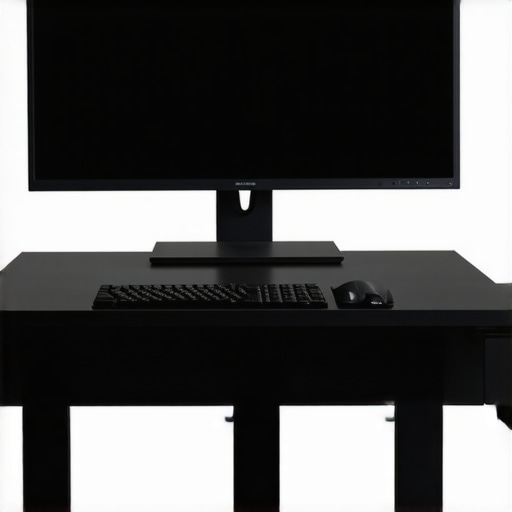
Illustration of a high-performance calibration workstation equipped with multispectral sensors and AI-driven control panels, demonstrating adaptive calibration in action.
Ensuring Longevity of Calibration Integrity through Hardware Innovation
Beyond calibration procedures, hardware advancements such as internal spectral calibration sensors and temperature-stable components significantly influence long-term accuracy. Monitors incorporating self-monitoring capabilities can detect internal drifts or component degradation, prompting automatic recalibration routines or user alerts. Moreover, adopting displays with built-in thermal management systems reduces temperature-induced color shifts, prolonging calibration fidelity over extended use. These innovations underscore the importance of choosing hardware that aligns with rigorous industry standards and offers future-proof solutions for evolving creative demands.
The Convergence of Standardization and Customization in Color Workflows
While compliance with international standards like BT.2020 and DCI-P3 forms the backbone of professional color workflows, customization tailored to specific project requirements enhances creative flexibility. Advanced calibration protocols permit the development of bespoke color profiles that optimize display performance for particular content types—be it cinematic HDR grading or digital illustration. Industry experts advocate a balanced approach that respects standardization for interoperability while allowing for tailored adjustments, thereby empowering professionals to push the boundaries of visual fidelity.
What role will spectrally tunable displays play in shaping the future of high-precision visual production?
Spectrally tunable displays, capable of dynamically adjusting their emission spectra with high granularity, promise unprecedented control over color rendering and luminance accuracy. These technologies facilitate precise matching of display output to colorimetric targets, enabling content creators to simulate various viewing conditions or emulate specific display devices. As research progresses, integrating spectral tuning with machine learning algorithms could allow real-time optimization tailored to ambient lighting and workflow demands. Industry insiders project that such innovations will redefine standards of color fidelity, opening new avenues for creative expression and technical excellence.
To stay ahead in this rapidly evolving landscape, continuous engagement with industry standards, participation in calibration workshops, and investment in emerging display technologies are essential. Reach out to our expertise team via the contact page to explore customized solutions that elevate your professional color workflows.
Expert Insights Enhancing Color Precision
Prioritize Hardware Calibration Innovation
Investing in monitors equipped with integrated spectral sensors and automatic calibration features streamlines the maintenance of color accuracy, reducing drift and ensuring consistent performance in demanding workflows.
Leverage Perceptual Color Spaces for Greater Accuracy
Utilizing color management tools that incorporate perceptually uniform spaces like CAM16 or Jzazbz provides deeper insight into how color appears to the human eye, enabling more refined calibration and better replication of intended hues.
Balance Dynamic Range Selection with Calibration Routines
Choosing high-luminance HDR displays requires tailored calibration protocols that consider tone mapping and potential clipping, ensuring your content’s dynamic range remains truthful and visually compelling.
Consider Ambient Light Implications Seriously
Integrating ambient light sensors and controlling environmental lighting conditions helps mitigate color perception discrepancies, fostering a workspace where calibration maintains its intended accuracy across various lighting scenarios.
Stay Agile with Evolving Display Technologies
Quantum dot and OLED innovations bring new calibration challenges and opportunities; staying informed on their specific characteristics and calibration strategies is essential for future-proof professional setups.
Curated Knowledge from Industry Leaders
- SMPTE White Paper on Perceptual Color Accuracy – A foundational resource outlining best practices grounded in perceptual science for color calibration precision.
- Dell UltraSharp Calibration Guide – An authoritative guide on leveraging hardware features for maintaining consistent color fidelity in high-end monitors.
- Colorimetry in HDR Workflows – A comprehensive publication detailing how to optimize calibration methods specifically for HDR content production.
- Society of Motion Picture & Television Engineers (SMPTE) – The industry standard-setting organization providing guidelines, white papers, and standards crucial for professional media production.
Reflections from a Visual Fidelity Expert
Achieving exceptional color fidelity in professional display environments means embracing advanced calibration techniques that adapt dynamically to both technological evolutions and environmental factors. Static calibration alone no longer suffices; instead, integrating perceptual models, environmental control, and hardware innovation forms the triad for truly accurate HDR and 4K workflows. To elevate your calibration game and ensure your monitors meet the highest standards, engage with specialized resources and consult with experts dedicated to cutting-edge color management. Your commitment to precision translates directly into trustworthiness of your output and satisfaction of your clients; reach out to us via our contact page to explore tailored solutions for your creative space.
About the Author