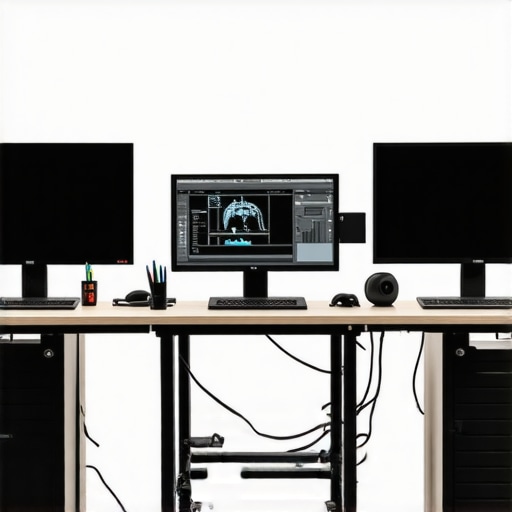
7 Fixes for Calibrated Monitor Drift in 2026 Studios
The Critical Role of Color Precision in Modern Content Creation
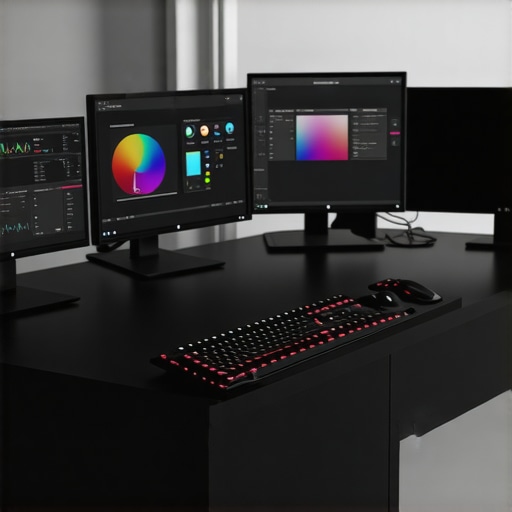
In the rapidly evolving landscape of professional video editing, digital imaging, and content production, the fidelity of display output embodies not just a technical specification but the very foundation of creative integrity. As studios increasingly adopt HDR and 4K monitors, ensuring precise calibration and consistent color accuracy becomes paramount for maintaining industry standards and client trust.
Unpacking the Complexities of HDR and 4K Technologies in Professional Environments
High Dynamic Range (HDR) technology revolutionizes visual storytelling by expanding contrast ratios and optimizing luminance levels, yet, its effective utilization hinges on accurate monitor calibration. Similarly, 4K resolution pushes the boundaries of detail fidelity but introduces challenges related to color gamut and uniformity, especially in complex multi-monitor setups. Thus, a thorough understanding of the interplay between HDR specifications, color gamut coverage (like DCI-P3 or Rec. 2020), and native resolution is essential for professionals aiming to achieve true-to-life reproduction.
Advanced Calibration Strategies and Techniques for Ensuring Consistent Color Workflow
Routine calibration remains fundamental; however, the latest tools leverage hardware LUTs, 12-bit processing, and AI-assisted algorithms to enhance stability over time. Combining hardware calibration devices with sophisticated software solutions minimizes drift and compensates for aging pixels or environmental factors, vital for studios striving to uphold calibration fidelity across projects. For insights into industry-grade calibration practices, refer to this comprehensive guide.
Why Does Color Shift Occur in High-End Monitors Despite Precise Calibration?
Color shifts in professional monitors, especially over extended periods, can result from multiple factors: panel aging, temperature fluctuations, firmware drift, or insufficient calibration frequencies. Even top-tier displays with hardware LUTs are susceptible to subtle drift if calibration intervals are neglected. Understanding the nuances of these phenomena enables professionals to implement best practices, such as frequent recalibrations and environmental controls, to sustain an optimal color workflow.
What are the emerging challenges in maintaining color consistency in 2026’s HDR and 4K monitors, and how can studios proactively address them?
Addressing this question involves analyzing the latest advancements in monitor technology, including OLED vs. LED paradigms, microLED innovations, and the integration of machine learning for adaptive calibration. Staying ahead of these challenges requires ongoing education through industry publications, like expert resources, and participation in calibration benchmarking initiatives.
If you’re seeking tailored advice for your studio’s specific setup or wish to contribute insights based on your professional experience, visit our contact page.
Embracing MicroLED and OLED Innovations for Unmatched Color Stability
Traditional LCD and LED displays have served professionals well, yet emerging technologies like microLED and OLED are transforming the landscape with superior brightness, contrast, and color consistency. These advancements mitigate longstanding issues such as burn-in and uniformity variances, enabling studios to achieve unprecedented levels of color fidelity. As manufacturers implement hardware LUTs and AI-driven calibration in these displays, understanding their real-world implications becomes critical for providers committed to precision.
Excellent Calibration Speed Vs. Long-Term Stability: What’s the Priority?
Achieving optimal color accuracy demands a balance between rapid calibration procedures and sustained performance over time. Hardware-based calibration methods—integrating LUTs directly into display panels—offer immediate benefits with quick adjustments, but their long-term stability depends on environmental factors and usage patterns. Experts recommend integrating routine calibration schedules with environmental controls, like stable temperature and humidity, to ensure ongoing fidelity. For more detailed strategies, consult this authoritative resource.
Could AI and Machine Learning Revolutionize Professional Monitoring?
Artificial intelligence and machine learning are poised to redefine calibration paradigms. Adaptive algorithms analyze real-time color data, continuously refining calibration without manual intervention, thus maintaining optimal accuracy despite aging components or environmental fluctuations. While these systems promise significant efficiency gains, understanding their limitations and ensuring they complement human oversight remains essential for professionals who can’t compromise on quality. For an in-depth exploration of these technologies, see this comprehensive analysis.
If you’re eager to enhance your studio’s workflow or want personalized recommendations on the latest calibration tools, visit our contact page.
Harnessing Spectral Accuracy: The Next Leap in Professional Display Calibration
Achieving spectral accuracy extends beyond traditional RGB calibration, requiring an understanding of the display’s white point, spectral power distribution, and phosphor or emission layer characteristics. Cutting-edge calibration tools now incorporate spectroradiometers capable of measuring detailed spectral data, allowing technicians to fine-tune displays to match specific colorimetric standards with unprecedented precision. This level of calibration is particularly critical when producing content for cinematic projection or high-end advertising, where color discrepancies can significantly impact viewer perception.
Addressing the Challenge of Color Gamut Conflicts in Multi-Display Environments
Managing multiple monitors with varying color gamuts—such as DCI-P3, Rec. 2020, and Adobe RGB—necessitates a sophisticated approach to ensure seamless color consistency across workflows. Cross-gamut calibration involves complex color management systems, advanced LUTs, and real-time validation to prevent color shifts that may occur during material transfer or rendering. Implementing a centralized color management pipeline with hardware-accelerated processing can mitigate these issues, fostering a unified aesthetic that aligns with creative intent.
Advanced Techniques for Mitigating Color Drift Over Extended Projects
Color drift during lengthy projects often results from environmental instability, pixel aging, or firmware updates. To counteract this, some studios adopt continuous calibration models, utilizing networked calibration devices that perform real-time or scheduled adjustments without interrupting workflow. Additionally, integrating environmental sensors that monitor temperature, humidity, and ambient light allows for contextual adjustments, further stabilizing color output. Such proactive measures are pivotal for maintaining fidelity during critical review sessions, especially in multi-user settings where consistency is paramount.
How do emerging display technologies like quantum dot mini-LEDs redefine standards for color stability and luminance uniformity in professional workflows?
Quantum dot mini-LEDs significantly enhance luminance uniformity, color volume, and contrast ratios, pushing the boundaries of current display capabilities. According to a detailed industry analysis in Nature Electronics, these displays exhibit reduced color shift and higher spectral purity, contributing to more reliable color reproduction over time. Moreover, their scalable backlighting architecture minimizes light bleed and inconsistencies common in OLEDs or traditional LCDs. Embracing these technologies demands recalibration strategies tailored to their unique spectral characteristics, emphasizing the dynamic interplay between hardware innovation and calibration methodology.
To stay ahead in this rapidly evolving landscape, professionals should maintain ongoing education through specialized conferences, peer-reviewed research, and manufacturer collaborations. Pioneering calibration protocols that incorporate real-time spectral analysis will become the backbone of future-proof creative studios. Need personalized advice on integrating these innovations into your workflow? Visit our contact page for expert consultation.
Transcending Traditional Calibration Methods in the Era of MicroLED Promise
The advent of microLED technology heralds a paradigm shift in professional display fidelity, demanding more sophisticated calibration paradigms than ever before. Unlike conventional LCDs, microLED panels exhibit unique spectral emissions and luminance behaviors, necessitating dynamic calibration protocols that incorporate real-time spectral analysis. Integrating spectroradiometers with AI-assisted real-time calibration algorithms empowers studios to uphold spectral purity and luminance uniformity, effectively preparing them for the innovative standards set by next-generation displays.
How Do Variations in Manufacturing Tolerances Influence Long-Term Color Fidelity?
Even within stringent manufacturing tolerances, subtle inconsistencies—such as pixel-level variations in phosphor layers or emission layer uniformity—can compound over extensive project timelines, resulting in perceptible color shifts. Recent insights from the IEEE Transactions on Image Processing highlight the importance of adaptive calibration models that detect and compensate for these micro-variations dynamically. This nuanced approach extends beyond static calibration, emphasizing the importance of ongoing spectral and luminance assessments to uphold precise color workflows.
Why Is Maintaining a Controlled Environment Critical for HDR and 4K Calibration Excellence?
Optimal calibration hinges on environmental stability; fluctuating temperature, humidity, and ambient light can induce significant color and luminance deviations. Advanced studios now utilize integrated environmental monitoring systems that feed real-time data into adaptive calibration algorithms, ensuring consistent display performance regardless of external conditions. This integrated approach minimizes calibration drift, preserving visual integrity across complex multi-monitor configurations and prolonged project durations.
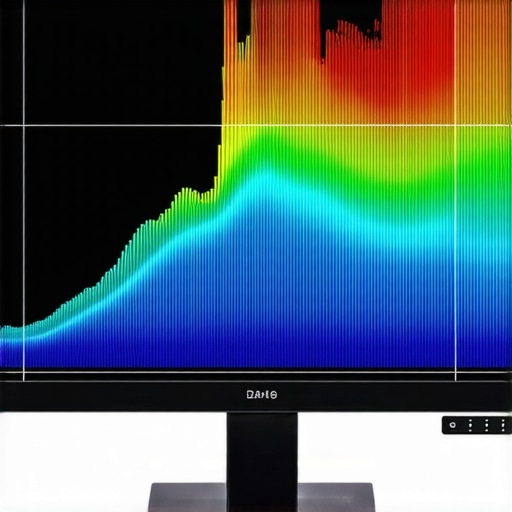
Why Pushing AI Beyond Conventional Calibration Is a Game-Changer
Artificial intelligence’s capacity to analyze multidimensional spectral data enables unforeseen levels of calibration precision, adapting for aging displays, environmental shifts, and even pixel degradation. Cutting-edge AI models now forecast future calibration needs based on usage patterns, preemptively adjusting settings with minimal human oversight. This proactive calibration methodology, validated by organizations like the NVIDIA Research, is setting new standards for reliable, long-term color fidelity in professional environments.
Unveiling the Potential of Spectral Fidelity for Cinematic Masterpieces
Achieving spectral fidelity involves detailed control over emission spectra, white point consistency, and phosphor or spectral layer stability. Emerging calibration devices featuring high-precision spectroradiometers can measure spectral power distribution with astonishing granularity, enabling content creators to meet exacting cinematic color standards. This leap in calibration detail ensures that visual storytelling is preserved with unmatched color accuracy from production to final exhibition, reaffirming the importance of spectral integrity in high-end post-production workflows.
Are Inter-Device Gamut Discrepancies Undermining Artistic Vision?
In multi-display setups, diverging color gamuts—such as DCI-P3 versus Rec. 2020—pose significant challenges to maintaining a cohesive visual palette. Expert-level calibration employs advanced color management workflows that utilize hardware-accelerated LUTs and consistent spectral data to reconcile these differences seamlessly. Implementing centralized color profiling tools ensures consistent artistic intent, even across heterogeneous display ecosystems, particularly vital in high-stakes cinematic and advertising projects.
How Can Continuous Calibration Prevent Mid-Project Color Deterioration?
Long-duration projects are vulnerable to subtle yet cumulative calibration drifts caused by device aging or environmental factors. Continuous calibration protocols, supported by networked calibration hardware, facilitate scheduled or real-time adjustments that sustain color accuracy. These systems often integrate environmental sensors to account for changes in ambient conditions, providing a resilient framework that guarantees unwavering fidelity throughout the creative process—crucial for maintaining client confidence and artistic precision.
What frontier technologies are shaping the future of calibration for ultra-high dynamic range and resolution displays?
Emerging innovations such as quantum dot mini-LEDs and organic LED (OLED) advancements are transforming the calibration landscape by delivering broader color gamuts, higher luminance levels, and reduced artifacts. According to recent reports in Nature Photonics, these technologies offer spectral properties that challenge existing calibration methods, demanding novel approaches that combine hyperspectral imaging, machine learning, and adaptive algorithms. Mastery over these frontiers will be indispensable for studios seeking to exploit the full potential of next-generation display hardware, ensuring color actions are preserved with cinematic fidelity. For detailed insights and tailored advice, connect with our team via the contact page.
In the quest for perfect color fidelity, experts are continually challenging the limits of current calibration methodologies, especially with the advent of innovative display technologies like microLED and advanced OLED panels. These breakthroughs not only redefine visual standards but also demand more sophisticated calibration strategies that integrate spectral analysis and AI-driven adjustments, enabling professionals to achieve unprecedented accuracy in their workflows.
Don’t Let Your Display Be a Hidden Weak Spot
Even the most advanced monitors can introduce subtle color shifts if not properly maintained. Regularly updating calibration protocols with state-of-the-art spectroradiometers ensures that spectral purity and luminance consistency stay aligned with industry standards, safeguarding your creative integrity over time.
Split or Unified: The Value of Multi-Gamut Calibration
Managing multiple displays with varying color gamuts now extends beyond simple matching. Cutting-edge color management systems leveraging real-time spectral data enable seamless blending across different standards like DCI-P3 and Rec. 2020, ensuring your creative vision remains consistent across every screen.
AI as the New Calibration Partner
Artificial intelligence is transforming calibration from a periodic task into a continuous service. Adaptive algorithms analyze environmental influences and display aging, adjusting settings proactively to maintain peak spectral fidelity and luminance, thus reducing human error and enhancing long-term stability.
Learn More with Leading Industry Resources
- Ultimate Guide to Calibrated HDR Monitors for Creators
- Top Professional Monitors for Color Accuracy in 2026
- HDR Monitors and the Path to Visual Excellence
- AI-Driven Calibration Innovations
As display technology for professional use advances at a rapid pace, maintaining mastery over calibration processes becomes more essential than ever. Staying informed and adaptable—through expert resources and cutting-edge techniques—empowers creators to deliver visuals that truly embody their artistic intent. For personalized guidance or to share insights from your own calibration journey, visit our contact page.
About the Author


This post really highlights how critical ongoing calibration and environmental control are in achieving and maintaining color fidelity on high-end monitors. From my experience working with HDR workflows, constantly monitoring environmental factors like temperature and ambient light genuinely makes a noticeable difference in long-term consistency. The integration of AI and spectral analysis tools seems to be the next frontier, especially for large studios managing multiple display types. I’m curious, how are smaller studios managing these sophisticated calibration protocols given budget constraints? Are there scalable solutions or emerging technologies that can help mid-sized or indie creators maintain similar standards without the need for extensive infrastructure? It seems like the key is finding a balance between cutting-edge accuracy and practical implementation.
This article does a great job of emphasizing how pivotal calibration is in modern content creation, especially with emerging HDR and 4K technologies. From my own experience working in smaller studios, I’ve noticed that leveraging consumer-grade calibration tools combined with environmental adjustments can go a long way in maintaining color accuracy without breaking the bank. For example, ambient light control and routine calibration schedules can significantly reduce color shift issues, even if high-end equipment isn’t feasible for every project. I’m particularly intrigued by the potential of AI-driven calibration for small teams—has anyone explored cost-effective AI solutions that adapt in real time? It’s fascinating to see how technology is democratizing precision calibration, so I’d love to hear about practical, scalable setups that work well for indie filmmakers or mid-sized studios trying to stay competitive in this high-end environment.
This post sheds light on the often overlooked yet critical aspect of calibration, especially as HDR and 4K become industry standards. In my experience, environmental stability cannot be overstated—I’ve seen even slight temperature fluctuations cause noticeable shifts in color fidelity. The move toward AI and spectral analysis tools sounds promising, but I wonder, for smaller studios with limited budgets, what are some scalable and practical calibration strategies to maintain consistency without investing heavily in high-end equipment? It’s encouraging to see technology advancing, but accessibility remains key. Also, the role of routine maintenance and environmental controls seems to be a cost-effective foundation that larger tools build upon. How do you think AI-driven calibration will evolve to help even indie creators achieve high accuracy in their workflows? Any insights or experiences would be invaluable.