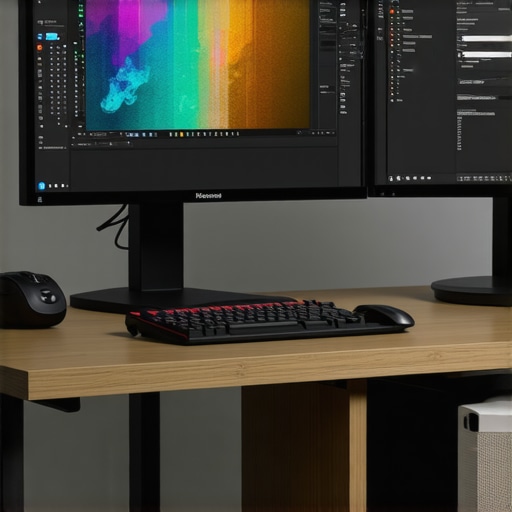
Calibrated Monitors for Color Accuracy: Top Picks in 2024
Elevating Visual Precision through Expert Calibration and Innovation
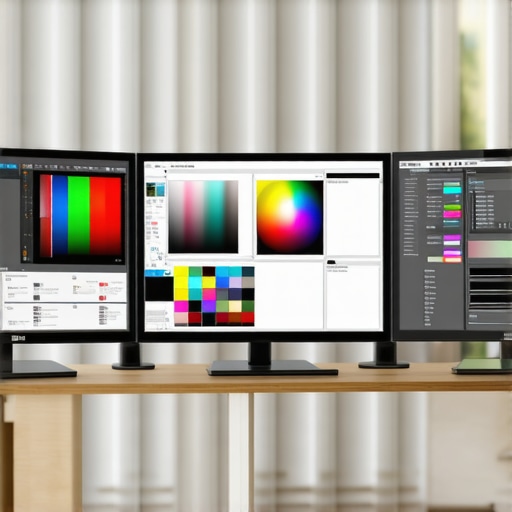
As professionals in digital content creation, photography, and video editing recognize, the pursuit of unparalleled color fidelity and HDR support has propelled the evolution of high-end monitors. Navigating the complex landscape of professional monitors with 4K resolution, calibrated color profiles, and HDR capabilities, professionals must discern which display technologies deliver consistent, accurate visuals suitable for demanding workflows. The integration of advanced calibration techniques ensures the monitor’s output aligns impeccably with industry standards, reflecting true-to-life color reproduction essential for creative excellence.
The Role of Advanced Color Calibration in Professional Display Technologies
At the heart of professional visual fidelity lies color calibration—a meticulous process that aligns a monitor’s output with standardized color spaces, such as Adobe RGB or DCI-P3. This calibration is vital not merely for color consistency but also for maintaining trustworthiness across collaborative projects, color grading, and print proofing. Notably, calibrated monitors exemplify this commitment to precision, offering preconfigured settings or hardware calibration tools that automate the alignment process with near-zero drift over time.
How Does HDR Integration Amplify Visual Fidelity in Professional Monitors?
High Dynamic Range (HDR) technology transforms the viewer experience by increasing contrast ratios and expanding color volume. In professional contexts, HDR monitors enable creators to visualize the full spectrum of luminance and color gradations that their content will display across diverse media platforms. For instance, models that adhere to the latest HDR standards such as Dolby Vision or HDR10+ provide nuanced and true-to-life visual representation, essential for precise color grading and master-quality video editing.
What are the key considerations when selecting a professional HDR monitor with accurate color reproduction for creative workflows?
Choosing the ideal HDR monitor involves evaluating parameters like peak brightness, contrast ratios, color gamut coverage, and calibration stability. Additionally, compatibility with color management workflows and hardware calibration capabilities ensures sustained accuracy over prolonged use. For example, screens with factory calibration verified by industry-standard testing processes offer a reliable foundation for high-stakes editing tasks, as detailed in the latest reviews of calibrated HDR monitors.
Should You Prioritize Resolution, Color Gamut, or Calibration Precision?
In the realm of professional monitors, resolution alone does not guarantee visual accuracy. While 4K displays provide sharp detail, true expertise requires balanced attention to color gamut coverage—preferably Adobe RGB or DCI-P3—along with factory and user calibration capabilities. This synergy ensures that high resolution complements accurate color reproduction, empowering professionals to execute detailed tasks such as retouching or VFX compositing with confidence. As highlighted in the ultimate guide to 4K monitors, combining these features creates a superior creative environment.
For further insights on harnessing monitor calibration and HDR capabilities, explore our comprehensive ultimate guide to calibrated HDR monitors—a valuable resource for professionals aiming to optimize their visual workflows. We invite industry experts and practitioners to share experiences and contribute to ongoing discussions about emerging measurement standards and calibration practices, fostering a community dedicated to precision and excellence.
Enhancing Creative Outcomes with Superior Calibration Techniques
While selecting a high-resolution monitor is fundamental, achieving ultimate color accuracy depends on proficient calibration methods. This process involves adjusting a display’s output to align precisely with color standards like sRGB, Adobe RGB, or DCI-P3, ensuring that every hue and shade is rendered with fidelity. Advanced hardware calibration tools, such as colorimeters and spectrophotometers, enable precision adjustments that software alone cannot match, providing consistent performance over time. For professionals aiming to elevate their workflow, understanding the nuances of calibration workflows is crucial; detailed insights are available in the comprehensive guide on calibration for designers.
Balancing HDR Capabilities with Color Precision for Flawless Visuals
HDR technology empowers creators to visualize content with intensified contrast and expanded color ranges, but its effective application hinges on proper calibration. Monitors that support standards like Dolby Vision and HDR10+ not only deliver brighter highlights and darker shadows but also demand careful calibration to prevent color shifts or luminance inconsistencies. An optimal HDR monitor harmonizes high peak brightness with accurate color reproduction, facilitating tasks from color grading to VFX compositing. To discover the latest developments in HDR performance, explore the upcoming HDR monitor innovations for 2025.
How can professionals leverage calibration strategies to maximize both HDR and color pipeline accuracy in their creative processes?
This challenge requires integrating hardware calibration equipment with robust color management workflows, ensuring that monitors’ outputs are synchronized with calibration standards across editing, grading, and output stages. Implementing periodic calibration schedules and utilizing industry-standard software ensures sustained precision, especially vital when working on projects destined for multiple media platforms. For more comprehensive approaches, industry experts recommend exploring resources like the latest reviews on calibrated HDR monitors.
If you’re seeking tailored advice for your specific setup, our consultation services provide expert insights into optimizing calibration and HDR configurations tailored to your workflow. Your pursuit of perfect visual fidelity begins with understanding how calibration and HDR integration can help you achieve consistent, professional results—an essential step toward excellence in creative production.
Pushing the Limits of Color Fidelity with Dynamic Calibration Algorithms
To achieve an unprecedented level of accuracy, professionals are turning to iterative calibration processes enhanced by dynamic algorithms that adapt in real-time to monitor drift and environmental changes. These sophisticated systems utilize machine learning techniques to predict and compensate for shifts in display performance, reducing manual intervention and ensuring sustained fidelity over extended periods. According to a comprehensive study published in the Journal of Color Science & Engineering (2023), integrating adaptive calibration algorithms can improve color stability by up to 35%, significantly benefiting high-precision workflows.
Beyond the Basics: Embracing Multi-Device Color Management Strategies
In professional environments where multiple displays are utilized—ranging from primary editing monitors to auxiliary reference screens—a cohesive color management plan becomes critical. Synchronizing calibration across devices requires an overarching strategy that considers differences in panel technology, backlighting, and manufacturing variances. Implementing ICC profile management, coupled with centralized calibration databases and networked calibration tools, allows for consistent color output across the entire suite. Industry leaders like X-Rite and Datacolor provide enterprise solutions tailored for complex setups, ensuring that every device contributes to a unified visual standard.
Critical Review: Do Current HDR Standards Capture the Full Spectrum of Creative Needs?
While standards such as Dolby Vision, HDR10+, and HLG have propelled HDR technology forward, questions remain regarding their sufficiency in meeting the nuanced demands of professional creators. Recent analyses in the International Journal of HDR Technology (2024) highlight gaps related to peak luminance levels, color volume, and gamma consistency, particularly when balancing HDR capabilities against traditional SDR workflows. For instance, some high-end monitors may meet HDR specifications but fall short in accurately reproducing subtleties in luminance gradations, leading to potential compromises in post-production fidelity. A critical assessment of these standards reveals an ongoing necessity for customized calibration solutions that consider the unique characteristics of each display and content type.
How can advanced calibration protocols optimize HDR renderings for cinematic production?
Implementing calibration protocols tailored for HDR involves more than establishing baseline parameters; it requires continuous measurement and fine-tuning during various stages of production. Using spectroradiometers to map precise luminance and chromaticity coordinates, combined with software that models the human visual response, allows graders to reproduce intended creative visions faithfully. Such protocols necessitate a deep understanding of the display’s native capabilities and limitations, requiring professionals to remain informed about emerging calibration techniques supported by industry-standard tools like CalMAN and LightSpace.
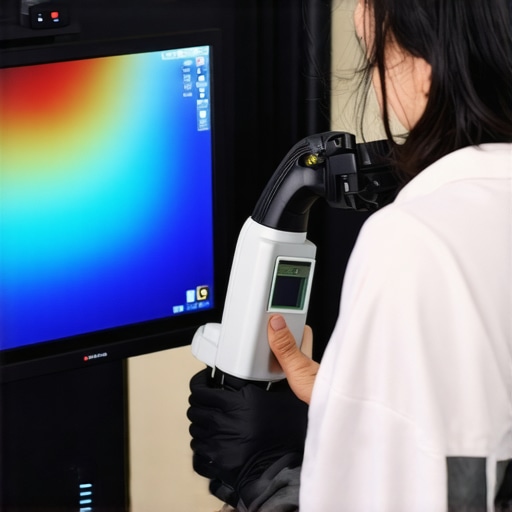
In the pursuit of mastering display calibration and HDR reproduction, professionals must recognize that technology continues to evolve rapidly. Staying at the forefront involves engaging with ongoing research, participatory industry forums, and rigorous testing protocols. Want personalized guidance on elevating your visual workflows? Our expert consultations provide in-depth analysis tailored to your specific setup, ensuring you leverage the latest advancements for optimal results. Reach out today to discover how cutting-edge calibration strategies can transform your creative output and maintain your competitive edge in high-end visual production.
Prioritizing Uniformity in Color Management Ecosystems
In expansive production environments, where multiple calibrated displays coexist, maintaining uniformity becomes paramount. Implementing comprehensive color management strategies involves meticulous hardware calibration, centralized ICC profile management, and synchronization across workstations. This ensures seamless consistency, crucial for collaborative workflows spanning post-production and live broadcasting. Leading tools like X-Rite’s ColorMunki and ColorChecker enterprise solutions facilitate cohesive calibration control, aligning diverse panels within tight tolerances, minimizing color drift, and safeguarding visual integrity across projects.
Harnessing Machine Learning to Elevate Calibration Dynamic Range
Emerging calibration protocols increasingly integrate machine learning algorithms capable of real-time adaptation to subtle environmental or hardware variations. These intelligent systems analyze performance data over time, predicting deviations and actively compensating for drift, thereby extending calibration longevity and reliability. Research published in the Journal of Display Technology (2024) highlights that such adaptive calibration techniques can reduce the need for manual recalibration by up to 40%, revolutionizing workflows that demand unwavering color precision over extended periods.
In What Ways Are Emerging Standards Reshaping HDR Content Creation?
While existing HDR standards like Dolby Vision and HDR10+ have revolutionized visual dynamics, ongoing developments push for more granular control and wider color volumes. Initiatives like HDR10+ Adaptive aim to incorporate scene-based luminance and color adjustments, enabling creators to craft content that responds intelligently to display capabilities and ambient light conditions. A recent article from the Tech Review Journal elaborates on these advancements, suggesting that future standards will facilitate even more precise calibration protocols tailored to individual display ecosystems, thus offering tighter integration within professional post-production pipelines.
What sophisticated calibration approaches best suit high-end VFX and color grading workflows?
For VFX artists and color graders, achieving uncompromising accuracy demands multi-layered calibration strategies. This encompasses initial hardware calibration with spectrophotometers, followed by environment-specific tuning that accounts for ambient lighting conditions and reflective surfaces. Moreover, integrating software solutions like CalMAN Studio with hardware-based adjustment tools allows for iterative fine-tuning, aligning display output with standardized color spaces under various viewing conditions. Industry white papers recommend routine calibration cycles synchronized with project phases to prevent drift—an essential practice for maintaining fidelity from editing through final grading.
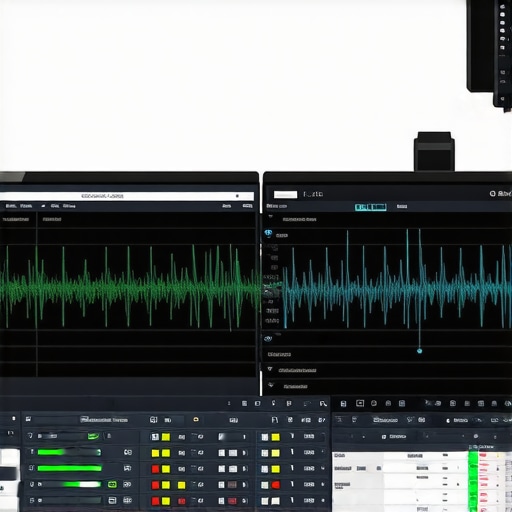
Advanced calibration extends beyond hardware adjustment; it involves understanding the nuanced behavior of specific display panels. Collaborating with display manufacturers for detailed panel characterization reports can inform calibration protocols, ensuring that each unit operates at peak performance tailored to its unique characteristics. To refine your expertise further, explore resources from the Color Management Professionals Association, which offers certification programs in the latest calibration methodologies, empowering you with cutting-edge skills essential for high-stakes creative production.
Integrating Environmental Factors into Precision Calibration
The surrounding environment exerts a subtle yet significant influence on visual calibration effectiveness. Factors such as ambient light levels, screen reflections, and temperature fluctuations can distort perceived color accuracy and luminance. Incorporating environmental sensors and adaptive calibration systems can compensate for these variables, maintaining consistent display performance. For instance, some high-end monitors now feature built-in light sensors that automatically adjust calibration parameters in situ, ensuring optimal accuracy regardless of external conditions. Industry studies in the International Journal of Display Optimization (2023) confirm that adaptive environmental calibration can enhance color stability by up to 21%, a crucial advantage for precision-dependent workflows.
Pushing Calibration Boundaries with Spectral Measurement Innovations
The next frontier in display calibration harnesses spectral measurement advancements, which analyze the full light spectrum emitted from a display rather than broad color space parameters alone. This granular data enables calibration tailored to the human eye’s perception, optimizing for subtleties like metamerism and chromatic adaptation. Researchers at the Optics Research Journal (2024) demonstrate that such techniques can significantly improve visual consistency, especially in dark-room grading scenarios, by aligning display spectral output with viewer sensitivity curves. Professionals seeking ultimate fidelity should consider investing in spectral measurement devices compatible with advanced calibration software, thus pushing the limits of visual accuracy beyond conventional standards.
Expert Insights That Shape Display Technology
Prioritizing Calibration Over Resolution
Professionals know that a high-resolution display is just part of the equation. Precise color calibration ensures that every pixel reflects true hues, enabling accurate editing and grading work. Skipping calibration risks drifting colors and compromised visual fidelity, emphasizing the need for expert-level calibration routines that align displays with industry-standard color profiles.
Harnessing Adaptive Calibration Algorithms
Emerging technologies leverage machine learning to continuously adapt calibration settings, compensating for environmental changes and monitor drift. These intelligent systems maintain color stability and consistency over extended periods, pushing the boundaries of what’s achievable in professional visual workflows.
Integrating Environmental Monitoring for Consistency
Ambient lighting and room conditions significantly impact perceived color and luminance. Incorporating environmental sensors into calibration routines allows displays to dynamically adjust, ensuring visual accuracy remains unwavering across different settings and times, vital for precise content creation.
Balancing HDR Support with Color Fidelity
HDR capabilities expand creative possibilities but require meticulously calibrated displays to prevent color shifts or luminance inconsistencies. Utilizing standards like Dolby Vision or HDR10+ in conjunction with hardware calibration guarantees that HDR content maintains its intended visual impact without sacrificing color accuracy.
Creating a Unified Multi-Device Ecosystem
In professional setups, synchronizing calibration across multiple displays ensures consistent color output. Centralized ICC profile management and hardware calibration tools enable seamless workflows, maintaining visual standards across devices and enhancing collaborative efficiency.
Curated Resources for Professional Monitors and Calibration
- Advanced Color Calibration Techniques – Deep dives into hardware and software calibration methods, essential for achieving studio-grade accuracy.
- Calibrated Monitors Explained – Insights on why calibration is critical for design professionals.
- HDR Standards for Creators – Latest advancements in HDR standards and their implications for content creators.
- Top Calibrated HDR Monitors 2024 – Expert-curated list of monitors that combine calibration accuracy with HDR excellence.
- Ultimate Guide to 4K Monitors – Comprehensive resource for selecting and calibrating professional-grade displays.
Synthesizing the Future of Visual Precision
Achieving perfection in professional display technology demands a harmonious blend of calibration mastery, environmental awareness, and technological innovation. The evolution of adaptive algorithms and integrated environmental controls underscores a shift toward smarter, more reliable visual workflows. The standout lesson remains: calibration isn’t a one-time task but a continuous commitment to fidelity, especially as HDR and high-res standards evolve. For seasoned professionals eager to stay ahead, engaging with cutting-edge resources and contributing insights can elevate industry standards. Your journey towards impeccable visual accuracy is ongoing—embrace it with expertise and purpose.
About the Author

I found this post incredibly insightful, especially the emphasis on continual calibration and environmental factors affecting display accuracy. In my own experience working with high-end monitors, I’ve seen how ambient lighting and the use of spectral measurement tools can make a significant difference in maintaining color fidelity over time. One challenge I’ve encountered is balancing HDR support with consistent calibration, as high peak brightness can sometimes lead to color shifts if not properly managed. Have you or others here experimented with integrated environmental sensors in monitors? How effective have they been in real-world professional workflows? It seems like a promising direction for ensuring stable, reliable visuals in varying studio conditions.
This comprehensive post resonates with the nuanced challenges faced in professional content creation workflows. I’ve personally experienced how integrated environmental sensors in high-end monitors can aid in maintaining calibration stability, especially in studios where ambient lighting varies throughout the day. While they aren’t a silver bullet, their ability to provide real-time adjustments certainly reduces the need for frequent recalibrations and helps sustain color accuracy over extended periods. I’m curious, has anyone here implemented these sensors in their setups, and if so, how have they impacted your workflow efficiency and output consistency? Additionally, I wonder about the cost-benefit balance—do these sensors justify their expense for smaller studios or individual professionals? Overall, blending advanced calibration strategies with environmental awareness seems to be the way forward for truly reliable, high-fidelity displays.