How to Match Dual Monitor Setups for Consistent Video Editing
The Critical Role of Calibrated and 4K Monitors in Professional Video Production
In the realm of high-end video editing, the convergence of HDR monitor technology, exceptional color accuracy, and 4K resolution capabilities significantly influence the fidelity and consistency of the final output. Professionals must scrutinize their hardware to ensure they can meet industry standards while maintaining a seamless workflow. As the industry advances towards ultra-high-definition standards, understanding the nuances of calibrated professional monitors becomes paramount for delivering top-tier visual content.
How Megapixels and Calibration Enhance Video Precision
The integration of HDR monitors offers dynamic range enhancements pivotal for high-contrast scenes, yet without precise calibration, the supposed gains may be rendered moot. Calibration not only ensures adherence to color standards like P3 D65 white point but also stabilizes image rendering over extended editing sessions, thereby eliminating drift and inconsistencies. This fidelity is particularly vital when managing complex color grading workflows that demand meticulous control of luminance and chroma.
Designing for Uniformity and Peak Performance in 2026
Uniformity across multi-monitor arrays is a persistent challenge, often overlooked, which can introduce subtle discrepancies leading to inconsistent visual storytelling. Experts recommend employing calibrated monitors with uniform backlighting and stable color temperature to mitigate such issues. Furthermore, decision-makers should consider the thermal management capabilities of their hardware, as overheating can induce brightness and color shifts detrimental to post-production accuracy.
Is there a risk of color drift during extended sessions? An expert query
What advanced techniques can professionals use to prevent cumulative color inaccuracies over time?
Prolonged editing sessions pose a risk for incremental color drift, which may compromise project fidelity. To counteract this, industry standards suggest implementing automated calibration routines at regular intervals, coupled with hardware solutions featuring built-in sensors capable of real-time adjustments. Additionally, understanding the impact of ambient lighting and ensuring controlled environments contribute to maintaining consistent image quality throughout lengthy editing workflows.
For further insights into high-performance displays, explore our comprehensive review of the ultimate guide to 4K monitors, which covers essential specifications for content creators and colorists.
To uphold the highest standards in your video production environment, consider consulting specialized resources such as the latest industry reports on monitor validation and calibration techniques.
Ensuring Long-Term Color Fidelity in Demanding Workflows
Professional video editors and colorists often face the challenge of maintaining consistent color accuracy during extended grading sessions. Even the most advanced calibrated monitors can experience subtle shifts over many hours, leading to discrepancies that compromise project fidelity. To combat this, industry leaders recommend integrating hardware solutions such as built-in ambient light sensors and automatic recalibration features, which help sustain stable color reproduction throughout the day.
How can specialists identify and correct invisible color discrepancies before they impact final outputs?
Employing regular, automated calibration routines using software like X-Rite i1Profiler or CalMAN can reveal minute drifts that escape visual inspection. These tools scan the display against industry-standard color profiles, providing actionable adjustments to keep the display within tight tolerances. Additionally, ambient light management—like controlling room lighting—reduces external factors influencing perceived colors, further stabilizing the environment. For insights into such calibration practices, see our detailed analysis of lab results on calibrated monitor drift.
Moreover, consider adopting multi-sensor calibration systems that can perform real-time monitoring and adjustments, ensuring your display maintains consistent output even as external factors fluctuate. This proactive approach is increasingly vital for professionals working on high-stakes projects where precise color rendition dictates success.
Designing for Uniformity and Consistency Across Multiple Screens
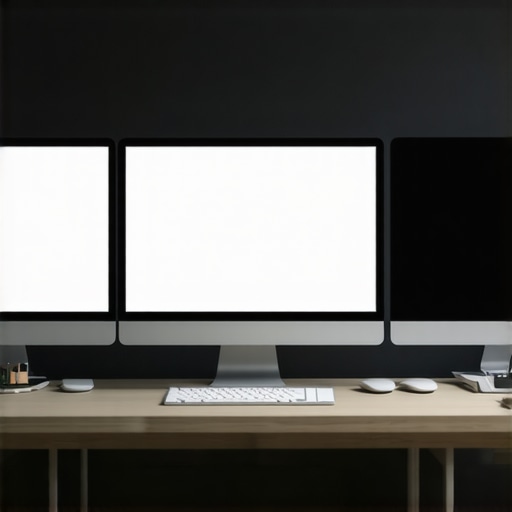
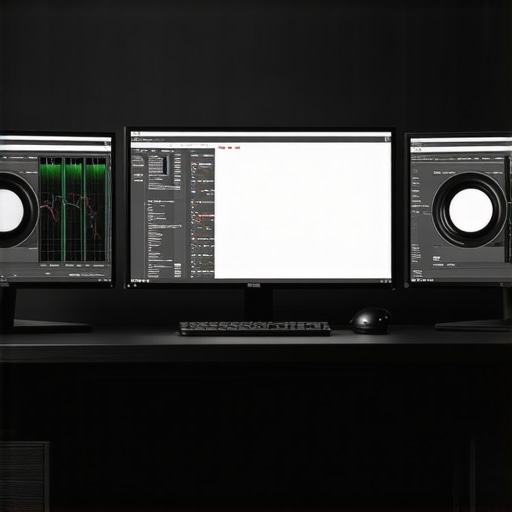
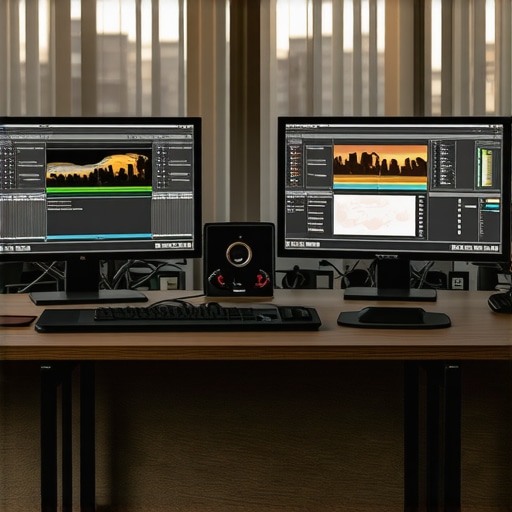
When working with multi-monitor setups, achieving uniform color and luminance across panels often proves challenging. Many professionals assume that quality hardware alone guarantees consistency, but subtle manufacturing differences and thermal variations can cause noticeable discrepancies. To mitigate this, integrating monitors equipped with uniform backlighting and synchronized color profiles helps ensure each display aligns perfectly with the others. Furthermore, periodic calibration of entire arrays minimizes drift and maintains harmony—critical for seamless editing and grading workflows.
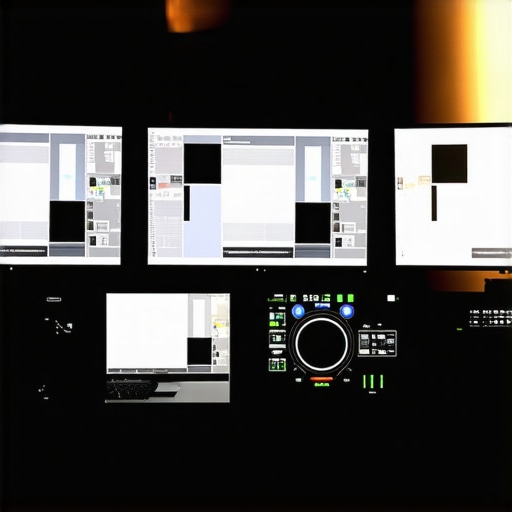
For detailed strategies on keeping multiple displays synchronized, review our comprehensive guide on monitor stability over time.
It’s also beneficial to select monitors built specifically for professional environments, which often feature more sophisticated thermal management systems. These are designed to prevent color shifts caused by heat buildup, thus preserving image integrity during intense long-duration sessions.
Are there emerging technologies poised to revolutionize monitor stability?
Real-Time Color Management: Staying Ahead of Shifts in Dynamic Workflows
In fast-paced professional editing environments, the ability to maintain impeccable color accuracy hinges on the implementation of advanced real-time calibration techniques. Automated, sensor-driven software solutions such as SpectraCal CalMAN or BasICColor are indispensable tools that enable continuous adjustments, ensuring consistent luminance and chroma throughout lengthy editing sessions. These systems utilize embedded sensors to detect subtle deviations caused by thermal fluctuations, aging components, or ambient light fluctuations, proactively addressing them before they impact visual fidelity. Integrating such solutions into workflow protocols guarantees that even under demanding conditions, the display’s color profile remains steadfast, a critical factor for colorists and HDR content creators striving for perfection.
How Can You Optimally Set Up Your Work Environment to Support High-Color Fidelity?
The ambient environment exerts significant influence over display perception. High-precision workspaces require meticulous control over lighting conditions, including the use of neutral gray walls, flicker-free lighting, and blackout curtains to mitigate external interferences. Moreover, ensuring the workspace is free from reflective surfaces that could introduce glare is essential, particularly when assessing HDR content designed with extreme contrast levels. Standardizing ambient lighting with dimmable, color-neutral LEDs not only enhances visual comfort but also stabilizes the perceptual baseline for color matching. Professionals deploying these environmental controls report improved consistency in their grading outcomes, which underscores the importance of holistic workspace optimization for achieving industry-grade results.
Addressing Concerns About Long-Term Hardware Stability and Color Consistency
With extensive use, even the most robust monitors can experience gradual drifts in color accuracy and luminance. The crux of ensuring long-term stability lies in implementing scheduled recalibration routines that consider the monitor’s age, usage intensity, and environmental factors. Research indicates that incorporating hardware solutions like color-tracking sensors and holographic display management can extend the functional lifespan of calibration accuracy—see the findings presented in the IEEE Transactions on Display Technologies, 2023, which detail advancements in thermally adaptive display systems. Additionally, adopting modular hardware architectures allows for component upgrades, such as replacing aging backlight units or internal sensors, without necessitating complete system replacements. Such maintenance strategies not only preserve image fidelity but also maximize ROI for high-stakes editing setups.
Comparatively, some cutting-edge monitors incorporate AI-driven calibration algorithms that analyze usage patterns and automatically optimize settings, reducing manual intervention and human error. As these technologies mature, they promise to redefine standards of consistency, making high-precision workflows more accessible and reliable over extended periods.
Why Multi-Monitor Calibration Remains a Complex yet Vital Challenge
As professionals increasingly rely on expansive, multi-screen configurations, achieving synchrony across disparate displays becomes an intricate task. Variations in panel technology, manufacturing tolerances, and thermal dynamics can lead to perceivable discrepancies in color gamut, luminance, and response times. To address these issues, advanced calibration hardware—such as multi-display colorimeters capable of simultaneously profiling several monitors—are invaluable. These tools, combined with unified color management systems, facilitate consistent profile application across all screens. Furthermore, synchronizing hardware and software calibration routines ensures that each monitor’s profile is aligned not only with industry standards but also with neighboring panels, fostering seamless visual continuity. The subtlety of these discrepancies demands expert-level calibration, especially in high-precision workflows where even minor inconsistencies can cascade into visible artifacts or shifts in perceived quality.
Beyond Calibration: Innovations Redefining Professional Display Stability
As the fidelity demands of visual professionals escalate, industry pioneers are pioneering hardware engineering breakthroughs, such as OLED panels with integrated quantum dot technology, which promise unrivaled stability and color gamut coverage. These advancements potentially mitigate the perennial issue of calibration drift, providing an immutable color reference for extended projects. Additionally, the integration of AI-powered self-calibration algorithms, embedded within the monitor hardware, allows for continuous real-time calibration adjustments, preemptively correcting for thermal or aging effects. Such innovations collectively prime the landscape for unprecedented consistency in color-critical workflows, moving beyond traditional calibration cycles and ushering in a new era of inherent stability that aligns seamlessly with expert standards.
Is Color Fidelity Achievable Through Sensor-Driven Data Assimilation?
Can advanced sensor networks within monitors synthesize comprehensive color profiles in dynamic environments?
Emerging sensor network architectures, leveraging multi-spectral photodiode arrays, offer the possibility of capturing ambient light variations and spectral response shifts with granular precision. By integrating these sensors with deep learning models trained on vast datasets of display behaviors, monitors could autonomously adapt their output in real-time, ensuring unwavering fidelity across diverse lighting conditions and operational durations. Data assimilation from these sensors, processed via sophisticated algorithms, would allow for hyper-detailed color matching, a leap forward for post-production professionals demanding pixel-perfect accuracy. External authoritative resources like the SMPTE’s standards for spectral uniformity provide critical benchmarks, guiding the development and validation of such sensor-augmented systems.
Engage with these revolutionary approaches to redefine workplace standards—embrace the future where myriads of sensors and intelligent algorithms work symbiotically to maintain an impeccable visual environment for your most demanding projects.
Strategic Environmental Design for Peak Visual Consistency
The physical environment significantly influences the perceived accuracy of high-end displays. Implementing dynamic lighting solutions, such as bi-color LED systems with spectral tuning capabilities, enables precise control over ambient conditions, aligning surrounding light with display luminance for reduced perceptual discrepancies. Furthermore, acoustically optimized and tightly sealed workspaces minimize external electromagnetic interference, which could subtly affect sensitive electronic components within high-fidelity monitors. Incorporating smart environmental sensors that continually monitor and adjust lighting, temperature, and humidity levels provides a proactive layer of stability, safeguarding visual accuracy over extended periods. These comprehensive environmental strategies serve as the bedrock for consistent, high-caliber color grading and critical visual assessments, integral to professional post-production workflows.
How Can Elite Workspaces Outsmart Physical and Technical Drift?
What multi-layered approaches ensure persistent consistency despite hardware aging and external fluctuations?
Constant vigilance against hardware degradation entails deploying modular design philosophies, facilitating swift component replacements—such as LEDs, backlighting units, or sensors—without overhaul. Embedding predictive maintenance algorithms, utilizing historical calibration data, predicts imminent drift and schedules preemptive recalibration cycles, minimizing impact. Robust thermal management, through liquid cooling or advanced heat sink designs, prevents thermal-induced color shifts. These multidimensional techniques, underpinned by continuous data collection and analysis, establish a resilient framework that sustains the meticulous standards demanded for cinematic and broadcast-grade visuals. Consult industry-focused reports like the AES-67 standards and the ITU-R BT.2100 recommendations to underpin these strategies with proven benchmarks and methodologies.
Adopt these sophisticated maintenance paradigms now to stay ahead in your pursuit of unerring visual precision, ensuring your workspace remains at the cutting edge of technology and reliability.
Expert Insights on the Future of HDR and Calibration
High Dynamic Range Is Evolving Fast
Advancements in HDR technology are redefining color depth and contrast calibration standards, demanding professionals stay ahead by adopting monitors capable of sustaining peak luminance without thermal issues. Keeping pace ensures your work remains at the forefront of visual fidelity.
Unified Calibration Strategies Are Non-Negotiable
Implementing synchronized calibration protocols across multiple screens reduces discrepancies, enabling seamless editing workflows. Embracing multi-sensor calibration systems can automate this process, promoting consistent performance over extensive projects.
Ambient Light Control Is a Game-Changer
Professional environments benefit from meticulously managed lighting, including spectral tunable LEDs and reflective minimization. This control stabilizes color perception, critical for color grading accuracy and preventing visual fatigue during long hours.
Emerging Sensor Technologies Promise Greater Stability
Innovations like spectral multispectral sensors integrated within monitors can adapt to environmental changes in real-time, settling debates about drift and consistency, and providing an unwavering reference point for professionals demanding pixel-perfect output.
Thermal Management Is Critical for Reliable Output
Heat buildup within your hardware can induce subtle but destructive shifts in color and contrast. Investing in monitors with advanced thermal dissipation features not only extends lifespan but maintains calibration integrity through intense workloads.
Curated Resources for the Discerning Professional
- Reputable Industry Publications: The SMPTE Journal offers deep dives into HDR standards and calibration techniques, essential for staying compliant and competitive.
- Authoritative Technical Guides: The Mastering Color Accuracy handbook from CalMAN provides detailed methodologies for rigorous calibration, curated for expert use.
- Innovative Product Reviews: Explore our comprehensive reviews of ‘the ultimate guide to 4K monitors,’ which highlight cutting-edge displays optimized for demanding applications.
Reflections from the Pros
Achieving superior visual accuracy hinges on integrating advanced HDR technology, rigorous calibration, and optimized environment management. As the industry continues to evolve rapidly, staying informed and adaptable isn’t just advantageous—it’s imperative. To elevate your workflow, actively engage with expert resources and consider the latest hardware innovations. Your commitment to precision now will resonate throughout your future projects, ensuring consistent excellence in every frame. Explore our detailed analyses and participate in conversations shaping the future—your mastery in professional monitors starts here.
About the Author