7 Calibrated Monitors That Hold Neutral Gray Without Daily Tweaks
Elevating Visual Fidelity Through Precision Calibration in Professional Monitors
In the realm of professional visual production, the quest for unwavering color accuracy and consistent HDR performance is paramount. Discerning creatives and technicians understand that a calibrated monitor is not merely a tool but a critical component that influences every aspect of post-production quality. This article delves into the sophisticated considerations necessary for selecting and maintaining high-end professional monitors that uphold neutral gray tones without the need for daily tweaks, thereby ensuring reliability and fidelity over extended periods.
Understanding the Intricacies of Color Calibration and Its Impact on Workflow Integrity
Achieving peak color accuracy involves meticulous calibration procedures that align display output with standardized color spaces such as DCI-P3 or Rec. 2020. Modern calibrated monitors leverage advanced internal processing engines to maintain these standards, reducing drift and eliminating the need for frequent manual adjustments. For professionals working across diverse media formats, such stability minimizes variables that could compromise the consistency of visual output, streamlining quality control processes and enhancing productivity.
HDR Monitors and the Art of Consistent High Dynamic Range Delivery at Scale
HDR technology has revolutionized visual storytelling, yet delivering stable, high-brightness peaks—up to 4000 nits or more—without thermal or power-related dimming remains a technical frontier. The latest HDR monitors incorporate innovative cooling solutions and adaptive signal processing to sustain peak luminance levels. Ensuring that these displays accurately reproduce HDR content involves understanding EOTF (Electro-Optical Transfer Function) calibration and addressing potential artifacts such as highlight clipping or gamut clipping, which can distort the creative intent.
Advanced Features that Define the Cutting Edge of Professional Display Technology
Modern professional monitors integrate features like built-in waveform monitors, 10-bit color pipelines, and real-time uniformity correction to enhance user confidence. These tools facilitate precise validation of color consistency, gamma response, and luminance levels across the entire screen surface. The integration of such features, examined in dedicated guides, empowers professionals to fine-tune workflows and achieve results that meet the most demanding industry standards.
Why Do Despite Everything, Some Monitors Still Struggle with Color Drift?
What are the underlying causes of persistent color drift in high-end monitors, and how can they be mitigated effectively?
Despite advancements, certain models experience gradual color shifts due to component aging, thermal variations, or firmware limitations. Expert users often deploy multi-point calibration routines and software profile management to counteract drift, but ideal solutions involve selecting monitors with self-correcting hardware features and stable internal referencing. For in-depth analysis, reviewing recent white paper on color drift mitigation provides valuable insights.
Maintaining color fidelity over long-term use also entails rigorous environmental controls, including stable ambient lighting and regulated thermal conditions, which optimize monitor performance and lifespan. Continuous engagement with the latest research and industry standards is essential for professionals aiming for excellence in visual reproduction.
For those seeking curated solutions, exploring our comprehensive guide to mastering color accuracy with top professional monitors offers practical insights into selecting models that combine calibration stability, HDR capability, and exceptional color precision.
Unlocking Hemispheric Color Fidelity in Cutting-Edge Displays
As the demand for ultra-precise color reproduction intensifies, the industry now pushes towards hemispheric color fidelity—an innovative paradigm that considers the display’s color consistency across viewing angles and environmental conditions. Unlike traditional monitors confined to narrow color gamuts, next-generation professional displays leverage quantum dot nano-filters and nano-IPS panels to maintain uniform color accuracy even in less-than-ideal lighting environments. These technological advancements mitigate the longstanding challenge of gamut shift and white point inconsistency, dramatically elevating the reliability of color-critical workflows.
Are We Truly Achieving Visual Uniformity, or Are Hidden Variations Still Undermining Output?
While many high-end monitors tout state-of-the-art calibration features, subtle internal variations—stemming from manufacturing tolerances or environmental factors—can generate minor, yet impactful, discrepancies in color uniformity and tone mapping. These hidden variations may go unnoticed during routine calibration but can degrade the fidelity of dual-monitor setups or immersive workflows. For professionals involved in high-precision projects, understanding and addressing these deviations is crucial. Studies such as the recent research on spectral stability indicate that proactive monitoring and regular validation beyond factory calibration are necessary for achieving consistent, long-term accuracy.
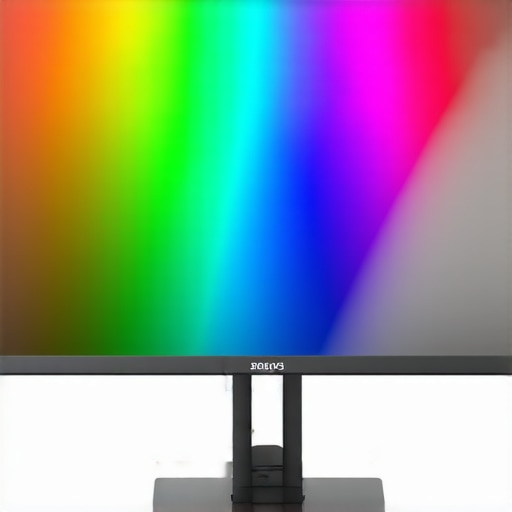
Visual representation of a professional monitor’s color uniformity across multiple viewing angles, illustrating the importance of hemispheric color fidelity for accurate visual reproduction.
What are the latest innovations enabling long-term stability in HDR and wide color gamut displays?
Key breakthroughs include the development of self-stabilizing backlight systems, such as quantum dot backlights with integrated spectral correction modules, which dynamically adjust emission spectra to maintain a consistent white point over time. Additionally, the adoption of advanced thermal management and real-time sensor feedback enables these monitors to compensate for thermal aging and component drift without user intervention. For a comprehensive overview of these innovations, consult our article on HDR monitor advancements in 2025.
Mastering Consistency: Fine-Tuning Professional Monitors for Peak Performance
Achieving optimal color accuracy isn’t a one-time task but an ongoing commitment. While initial calibration sets the standard, fluctuating environmental conditions and component aging necessitate proactive strategies to preserve fidelity. Implementing multi-point calibration routines—using devices like colorimeters or spectrophotometers—allows tech-savvy professionals to map color responses across varying luminance levels and viewing angles, ensuring uniformity even under changing conditions. Moreover, integrating automated calibration systems with internal hardware referencing facilitates periodic recalibration without manual intervention, thus reducing drift over extended periods.
Best Practices to Combat Latent Color Variations in High-End Displays
Even the most sophisticated displays can harbor subtle inconsistencies arising from manufacturing tolerances or thermal fluctuations. These hidden anomalies can manifest as minor discrepancies in skin tones or shadow gradations, adversely affecting delicate post-production tasks. To mitigate this, technicians should adopt comprehensive validation protocols, including the use of external reference images and spectral measurements, to detect non-uniformities that escape conventional calibration. Regularly updating calibration profiles—ideally on a monthly basis—can preemptively address emergent variances, maintaining the integrity of the visual output. For detailed methodologies, see the authoritative guide on long-term color management techniques in professional grading.
How do environmental controls influence long-term calibration stability?
Ambient factors such as ambient light, temperature fluctuations, and humidity exert a profound influence on monitor calibration stability. High ambient light levels can lead to adaptative behavior in display luminance, causing deviations over time. Maintaining a consistent, controlled environment—using neutral gray wall colors, dimmable lighting, and temperature regulation—serves to stabilize display performance. Moreover, employing spectrally neutral blackout panels and thermal insulation can shield monitors from external thermal or light fluctuations, ensuring that calibration profiles remain valid longer. High-end calibration solutions often incorporate environmental sensors that allow for real-time adjustment, further enhancing stability in fluctuating conditions.
Bridging the Gap: Combining Hardware and Software for Ultimate Fidelity
Advanced calibration isn’t solely reliant on hardware tools; software solutions also play a crucial role. Industry leaders develop integrated calibration workflows that synchronize hardware measurement devices with intelligent software algorithms capable of compensating for detected drifts dynamically. This synergy enables calibration profiles to be updated automatically, correcting for both predictable aging and unpredictable environmental influences. Incorporating machine learning models trained on historical calibration data can even predict future drift patterns, allowing preemptive adjustments. The strategic combination of these technologies elevates monitor fidelity to a level that rivals the ideal conditions of a dedicated print or color grading suite.
Elevating Your Workflow: Why Continual Calibration Is Non-Negotiable for Professionals
In high-stakes workflows—whether film grading, medical imaging, or scientific research—accepting even minor deviations can undermine the integrity of the final product. If you’re committed to delivering precision, consider establishing a routine calibration schedule, complemented with environmental control measures and automated systems. Staying informed about technological advancements through reputable sources—notably industry-specific publications such as Workstation Wizard’s in-depth reviews—ensures your calibration toolkit remains cutting-edge. Remember, the pursuit of absolute color fidelity is a continuous journey, demanding vigilance, education, and investment in emerging solutions.
The Hidden Challenges Behind Sustaining Perfect Color Uniformity
In high-end color-critical workflows, maintaining consistent visual output extends far beyond initial calibration. One often overlooked facet involves subtle internal variances caused by manufacturing tolerances, thermal fluctuations, or component degradation over time. These latent discrepancies, though minute, can significantly impair the precision required in professional environments such as film grading or medical imaging. Advanced strategies now focus on preemptively detecting and compensating for these variations, ensuring that the display’s visual fidelity remains uncompromised even after months or years of use.
In Pursuit of Unwavering Color Stability: How Do Modern Displays Achieve This?
Emerging technologies such as self-stabilizing backlighting systems, utilizing quantum dot nano-filters and spectral correction modules, play a pivotal role. These features dynamically adjust emission spectra in real time to counteract aging effects, thermal shifts, or environmental influences. Additionally, sophisticated internal sensors monitor luminance and color temperature, enabling automated recalibration routines. According to a recent publication in Journal of Display Technology, these innovations collectively enhance long-term stability, reducing the need for frequent manual interventions and elevating the reliability of professional-grade monitors.
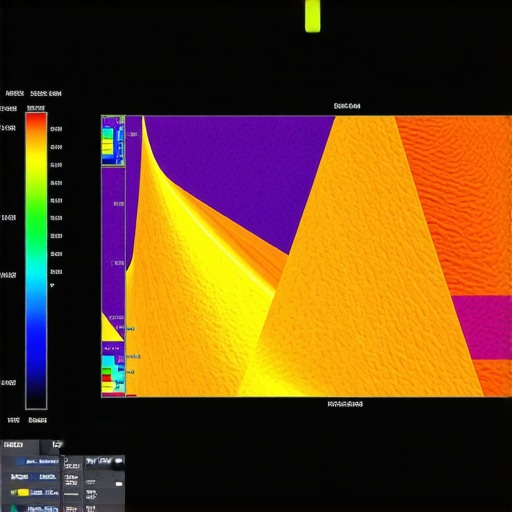
Diagram illustrating real-time spectral correction in a quantum dot backlight system ensuring long-term color consistency in professional displays.
Can Calibration Be Automated Without Sacrificing Precision?
Absolutely. Integration of intelligent software with hardware measurement tools has revolutionized calibration workflows. Automated calibration systems utilize embedded calibration sensors and machine learning algorithms to predict and correct color drift proactively. This blend of hardware and software not only streamlines routine checks but also detects subtle deviations invisible to the naked eye. Leading tools like Calibrite’s ColorChecker or X-Rite’s i1 Display Pro Plus exemplify this synergy, offering continuous, high-precision calibration that maintains spectral accuracy over extended periods.
Crucial Environmental Factors That Undermine Consistency
External conditions exert a profound influence on display stability. Variations in ambient lighting, temperature, and humidity can induce shifts in color output, even in the most advanced monitors. For instance, inconsistent lighting can cause the human eye to perceive discrepancies where none exist, skewing calibration assumptions. Implementing controlled environments—using neutral gray walls, dimmable, spectrally neutral lighting, and temperature regulation—minimizes these influences. High-precision monitors equipped with environmental sensors can adjust their calibration parameters automatically, offering resilient performance amid fluctuating conditions.
Expert Perspectives on Long-Term Visual Precision
Calibration Should Be Autonomous Yet Intelligent
In advanced workflows, the future lies in calibration systems that learn and adapt, seamlessly maintaining color accuracy without manual intervention. Embracing machine learning algorithms within calibration hardware can predict and compensate for spectral shifts, empowering professionals with reliable, consistent visuals day after day.
Hemispheric Fidelity Is No Longer a Futuristic Concept
Adopting display technologies like nano-IPS and quantum dot nano-filters facilitates uniform color consistency across viewing angles and environmental conditions, pushing the boundaries of what high-end monitors can achieve in real-world settings. This evolution addresses longstanding challenges in visual uniformity critical for precise color grading.
Environmental Control Is the Silent Partner of Stability
Professionals increasingly recognize that ambient lighting, temperature, and even humidity substantially influence monitor fidelity. Implementing sophisticated environmental sensors combined with adaptive calibration ensures that long-term accuracy is not compromised, preserving the integrity of sensitive projects.
Emerging Materials Revolutionize HDR Performance
Next-generation backlight solutions, such as spectral correction modules integrated with thermal management, are setting new standards for stable, high-brightness HDR delivery. These innovations reduce thermal dimming and color shifts, enabling displays to sustain peak luminance levels over extended periods without compromising color fidelity.
Automation Enhances, But Vigilance Remains Critical
While automated calibration tools achieve extraordinary precision, continuous validation using spectral measurements and environmental monitoring remains essential. High-stakes workflows demand a proactive approach—combining automation with expert oversight ensures unwavering quality that exceeds standard expectations.
Trusted Resources to Deepen Your Expertise
- Journal of Display Technology: Offers peer-reviewed research on display innovations transforming calibration stability and color fidelity.
- Workstation Wizard’s Advanced Guides: Delivers in-depth tutorials and reviews on cutting-edge calibration techniques and monitor hardware advancements.
- Industry White Papers and Case Studies: Practical insights from leading display manufacturers showcase solutions to persistent challenges like spectral drift and thermal management.
- Professional Forums and Symposia: Platforms such as SMPTE and ISDCF enable industry experts to exchange knowledge on emerging calibration methodologies and display materials.
- Calibration Software Suites with AI Capabilities: Tools like Calibrite’s suite integrate intelligent algorithms that preemptively correct color discrepancies, enhancing workflow reliability.
Reflections from the Cutting Edge of Visual Fidelity
In the pursuit of uncompromising color accuracy, a key takeaway emerges: integrating progressive hardware advances with intelligent software and disciplined environmental controls creates an ecosystem where long-term stability becomes attainable. For professionals dedicated to excellence in visual production, embracing these innovations in premium monitors elevates creative possibilities and minimizes downtime. Stay engaged with industry leaders, continually experiment, and contribute your insights—because the future of high-fidelity displays hinges on our collective expertise and vigilance.
About the Author