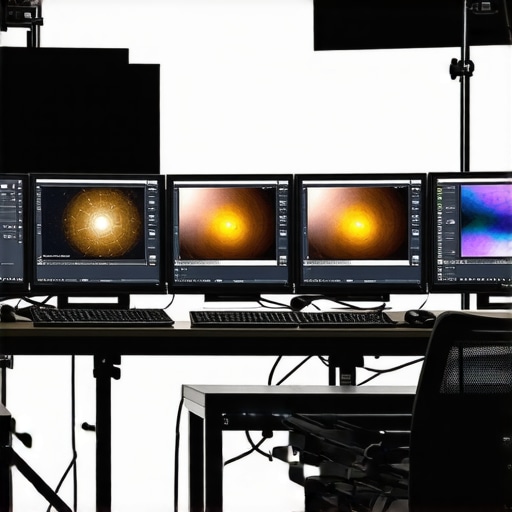
Why 2026 Color Accuracy Claims Fail in Real-World Studios
Assessing the Limitations of Color Accuracy Claims for Professional Monitors in 2026
As the demand for precision in digital content creation escalates, the marketing of high-end monitors touting extraordinary color accuracy has become increasingly prevalent. However, professionals operating in demanding studio environments often encounter discrepancies that render those claims somewhat optimistic. Understanding the core reasons behind these discrepancies is essential for practitioners aiming for dependable, calibrated visuals.
The Complexity of Calibrated Monitors and Real-World Variability
Calibrated monitors are engineered to deliver a specified color space with a high degree of fidelity. Nevertheless, the calibration process itself can be affected by factors such as ambient lighting, device aging, and inherent hardware limitations. For example, despite purported 10-bit color depth capabilities, some monitors may exhibit banding or gradient issues under typical studio lighting conditions, challenging claims of flawless color rendition.
Why 2026 Claims about Color Reproduction Often Overlook Context
Manufacturers frequently cite specifications that meet industry standards—such as DCI-P3 or Rec. 2020 compatibility—without accounting for practical constraints. Real-world studios must consider how monitors handle complex color grading tasks under high dynamic ranges and HDR workflows. These scenarios demand more than static specifications; they require monitors that maintain consistent performance across extended sessions, which is a challenge often underrepresented in marketing claims.
Impact of Display Technologies on Color Fidelity and User Experience
Emerging display technologies like nano-IPS or OLED panels promise superior color accuracy and contrast ratios. Yet, actual performance can vary significantly, especially when dealing with 4K resolution and HDR content. For instance, despite labels of HDR support, many monitors struggle with issues like blooming or tone-mapping artifacts, which compromise the intended visual fidelity. This discrepancy underscores the importance of critically evaluating marketing claims within the context of operational realities.
How Can Professionals Ensure Accurate Color Rendering in Volume-Dependent Studio Setups?
Addressing this question involves integrating comprehensive calibration protocols and considering environmental factors such as light management and device maintenance. Regular calibration with spectrophotometers, along with using reference validation tools, can mitigate many issues. Additionally, consulting authoritative sources like the latest standards outlined by the ITU-R BT.2390-1 can establish a benchmark for performance verification.
Are you interested in cutting-edge strategies for maintaining color fidelity amid evolving display technologies? Explore our detailed guide on mastering color accuracy with top professional monitors or share your insights with industry colleagues to refine best practices.
Leveraging Advanced Calibration Techniques for Peak Accuracy
Achieving consistent color fidelity in demanding studio environments requires more than standard calibration procedures. Techniques such as spectral lighting analysis and utilizing high-precision reference devices can dramatically improve accuracy. Modern calibration tools now incorporate AI-driven adjustments that adapt to subtle hardware variations and environmental changes, ensuring that your monitor maintains its calibrated state over extended periods. For professionals working with high dynamic range (HDR) content, understanding how to fine-tune these settings is vital for delivering precise and reliable visuals.
Is Your Workflow Resilient Against Color Gamut Limitations?
Many artists assume that a monitor supporting the latest color gamuts like Rec. 2020 or DCI-P3 guarantees flawless reproduction. However, the actual implementation can fall short due to hardware constraints or software compatibility issues. Cross-referencing your display’s capabilities with comprehensive workflow analysis can reveal potential misalignments. Incorporating external LUT (Lookup Table) processors or software-based color management solutions can compensate for gamut limitations, enabling a more faithful workflow. For detailed insights into how to optimize color volume, visit this expert guide on high-precision 4K monitors.
What are the pitfalls of relying solely on factory calibration for professional work?
Factory calibration offers a baseline but often does not account for individual unit variances or environmental effects over time. Relying solely on factory settings can lead to unnoticed drift, especially in high-end workflows requiring utmost precision. Implementing a rigorous periodic calibration schedule and utilizing verification tools such as colorimeters with spectral sensitivity profiles can mitigate these issues. Moreover, engaging with authoritative standards like the latest calibration protocols outlined by the ICC ensures adherence to industry-leading best practices.
If you’re seeking tailored strategies to enhance your workflow’s robustness against color inconsistencies, consider consulting our dedicated team through contact us. Sharing your experiences or challenges can foster community-driven solutions that raise the bar for professional standards across the industry.
Maintaining HDR Consistency in High-Stakes Creative Workflows
High Dynamic Range (HDR) delivery has revolutionized visual storytelling, offering unparalleled luminance and color depth. Yet, ensuring accurate HDR reproduction across diverse monitors and workflows remains a formidable challenge. The inherent complexity lies not only in display hardware but also in software, environmental conditions, and calibration methodologies. Creative professionals must understand these multifaceted factors to deliver truly faithful HDR content, especially when the stakes include cinematic releases or high-profile commercial projects.
What are the critical hurdles in achieving reliable HDR playback for professional content?
One of the primary obstacles is the variability in HDR standards and implementations. For example, the distinction between HDR10, Dolby Vision, and HLG manifests in how tonal mapping, color volumes, and metadata are managed, influencing perceived fidelity. Additionally, discrepancies in peak luminance, local dimming capabilities, and color gamut coverage among monitors can lead to inconsistent visual outputs. Ambient lighting conditions further complicate perception; a monitor calibrated for dim studio environments may exhibit washed-out highlights or subdued shadows in brightly lit rooms, impacting the workflow’s consistency.
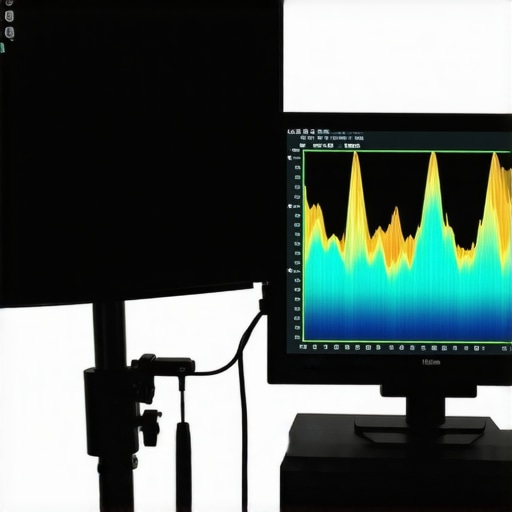
Addressing these issues necessitates a holistic approach that encompasses hardware selection, meticulous calibration, and environmental control. For instance, choosing a monitor with certified high peak luminance (at least 1000 nits), extensive color volume, and reliable HDR support is foundational. Moreover, utilizing calibration tools capable of measuring HDR luminance and tone mapping performance ensures that the display adheres to the intended standards. The importance of standardized testing procedures, such as those outlined by the Society of Motion Picture and Television Engineers (SMPTE), cannot be overstated in establishing a baseline of fidelity.
Integrating Advanced Calibration and Validation Techniques for HDR Precision
Progressing beyond simple calibration routines, professionals are increasingly turning to sophisticated methods, such as spectral-based measurement and real-time dynamic calibration. Spectroradiometers can capture the full spectral response of a display, revealing subtleties in luminance and color that typical colorimeters might overlook. This comprehensive data informs iterative calibration cycles, aligning the monitor’s output with industry standards like Rec. 2020 or DCI-P3 with greater accuracy.
The advent of AI-driven calibration tools introduces a new frontier—these systems adapt dynamically to environmental changes, monitor hardware aging, and optimize tone mapping curves in real-time. Such technologies can be invaluable in maintaining HDR fidelity over extended production periods, where monitor drift or ambient shifts can otherwise compromise consistency. For example, integrating spectral measurement data with machine learning algorithms enables predictive adjustments that preempt tonal shifts before they impact critical work.
For professionals committed to delivering only the highest quality visuals, establishing an effective calibration protocol that incorporates both spectral measurement and AI adaptation is paramount. Engage with trusted vendors who provide spectral calibration solutions aligned with standards like the International Color Consortium (ICC), ensuring your workflow remains resilient against technical variances and environmental fluctuations alike.
The Nuances of Gamut Management in HDR Contexts
Effective gamut management becomes particularly nuanced within HDR workflows. Monitors supporting wider gamuts like Rec. 2020 promise richer colors but often grapple with hardware limitations such as gamut clipping or banding, especially in high luminance regions. The deployment of external LUT processors, capable of precise color mapping, allows for compensating these limitations and maintaining visual integrity across different stages of production.
Furthermore, software-based color management solutions—integrated within editing suites—must be meticulously configured to accommodate the specific capabilities and calibration profiles of the hardware. The challenge resides in ensuring that color intent remains intact through various transformations, from grading to export. For instance, implementing custom 3D LUTs synchronized with calibrated monitor profiles can bridge the gap between display capabilities and intended artistic vision, preserving cinematic richness while adhering to technical standards.
Unauthorized reliance on factory-set gamuts risks introducing subtle inaccuracies, particularly in HDR content. Regular validation using industry-standard test patterns and reference images—like those provided by authoritative sources such as the FilmLight Academy’s HDR testing assets—is essential to verify gamut fidelity and prevent inadvertent color distortions that could compromise final output quality.
As the realm of HDR continues to evolve, embracing these sophisticated calibration and validation techniques will empower professionals to meet the growing demand for impeccable visual authenticity. Are you prepared to upgrade your calibration processes to meet the future of HDR content creation? Explore tailored solutions that integrate spectral measurement and AI calibration—contact our experts today to elevate your workflow’s precision and reliability.
Deciphering the Intricacies of Hardware Variability in High-End Displays
Achieving impeccable color accuracy extends beyond initial calibration, especially as hardware components age or encounter environmental fluctuations. Variations in phosphor decay, organic OLED materials degradation, or backlight lumen shifts can subtly distort color rendering over time, undermining initial calibration.
How do hardware aging and environmental factors influence long-term color fidelity?
Research from the SPIE’s optical engineering publications indicates that even state-of-the-art display components exhibit measurable spectral drift after extensive use, impacting the stability of calibrated output. Regular in-situ spectral measurements and proactive recalibration are essential to counteract these effects, ensuring consistent visual performance in critical workflows.
Incorporating Spectral Data for Next-Level Calibration Precision
Moving beyond traditional gamma and luminance metrics, integrating spectral measurement data allows for a nuanced understanding of display behavior. Spectroradiometers capture the full emission spectrum, revealing color shifts invisible to standard colorimeters.
This spectral insight is invaluable when calibrating displays for complex workflows involving HDR, wide gamuts, and high dynamic ranges, where minute spectral inaccuracies can lead to perceptible issues in final output quality. Technologies like AI-powered spectral analysis are now emerging, promising real-time, adaptive calibration adjustments tailored to hardware-specific spectral profiles.
Can spectral calibration techniques unify color consistency across device clusters?
Indeed, spectral calibration fosters a common reference point, enabling device uniformity even among disparate hardware brands or models. Implementing spectral matching algorithms helps create a standardized color environment, reducing variability in collaborative projects—a critical factor in multi-unit post-production setups.
#IMAGE_PLACEHOLDER_D#
Strategies to Mitigate Gamut Limitations in HDR Workflows
Implementing wider color gamuts like Rec. 2020 demands hardware capable of handling increased color volume without distortions. As manufacturers push boundaries, mitigating gamut clipping, banding, or tone-mapping inconsistencies becomes paramount.
Employing external LUT processors with intelligent gamut mapping algorithms ensures that colors are faithfully reproduced, regardless of the intrinsic limitations of individual displays. Active management of color transfer functions via high-fidelity software tools helps preserve artistic intent, especially during high-stakes color grading and mastering processes.
What role do software-based gamut expansion techniques play in preserving creative integrity?
Modern color management software can utilize perceptual rendering intents to expand the effective color palette of displays, compensating for hardware constraints. By dynamically adjusting the rendition of saturated colors, such techniques present a more complete visual experience, aligning with creator expectations and standardized target gamuts.
Furthermore, integrating these methods with real-time validation against industry-standard test charts solidifies workflow reliability, ensuring no subtle color discrepancies compromise the final product.
Adapting Calibration Protocols for Remote and Hybrid Studio Environments
The rise of remote work necessitates flexible calibration solutions that maintain accuracy outside traditional studio settings. Portable spectral calibration devices, cloud-based validation platforms, and AI-driven adjustment tools are transforming how professionals uphold color fidelity across geographically dispersed teams.
Implementing robust workflows that include remote calibration routines, environmental monitoring, and centralized calibration management ensures consistency without compromising on standards. Educating teams about environmental controls—such as controlled lighting and display positioning—complements technological solutions, fostering a resilient, high-precision color management ecosystem.
Are you prepared to overhaul your calibration strategies for a decentralized production landscape?
Investing in comprehensive, adaptive calibration systems and team training can significantly elevate your studio’s color management resilience. Explore our tailored consultancy services or advanced calibration hardware solutions—contact us today to future-proof your creative workflows.
Expert Insights & Advanced Considerations
Prioritize Spectral Calibration for True Accuracy
Leveraging spectral measurement tools allows professionals to detect subtle spectral shifts and compensate for aging components, ensuring sustained color fidelity over time.
Integrate AI-Driven Calibration for Dynamic Environments
Adopting machine learning algorithms in calibration routines can adapt to ambient changes, monitor hardware drift, and maintain optimal color consistency without manual intervention.
Focus on Gamut Management for Complex Workflows
Employ external LUTs and software solutions to mitigate hardware limitations, enabling a broader color palette and more accurate reproduction in HDR and wide-gamut workflows.
Assess Real-World Performance Beyond Specifications
Understanding how monitors perform under actual studio conditions, including lighting and usage patterns, is essential to validating marketing claims and ensuring reliable results.
Balance Hardware and Workflow Strategies
Combining high-quality displays with rigorous calibration protocols and environmental controls creates a resilient system capable of meeting the stringent demands of professional content creation in 2026.
Curated Expert Resources
- ITU-R BT.2390-1 Standard: Provides guidelines for color accuracy and reference levels, vital for benchmarking monitor performance.
- Society of Motion Picture and Television Engineers (SMPTE) HDR Testing Assets: Offers standardized test patterns for validating HDR display fidelity.
- International Color Consortium (ICC) Profiles: Ensures color management consistency across devices and workflows.
- SPIE Publications on Display Spectral Stability: In-depth research on hardware aging impacts on spectral output.
- AI Calibration Tools Literature: Insights into adaptive calibration technologies enhancing real-time accuracy.
Final Perspective from An Industry Expert
While spec sheets and marketing claims often highlight impressive numbers, the true art of professional monitor calibration in 2026 rests in understanding and managing the nuances of hardware aging, environmental influences, and complex workflows. Achieving consistent, reliable color fidelity demands a strategic blend of advanced technology, meticulous practices, and critical evaluation of real-world performance. For dedicated creatives, staying ahead involves embracing spectral insights and AI-driven solutions—arming your workstation against the unpredictable challenges of evolving display landscapes. Want to elevate your calibration game? Reach out to our specialists or explore our comprehensive resources—your projects deserve nothing less than perfect precision.
About the Author