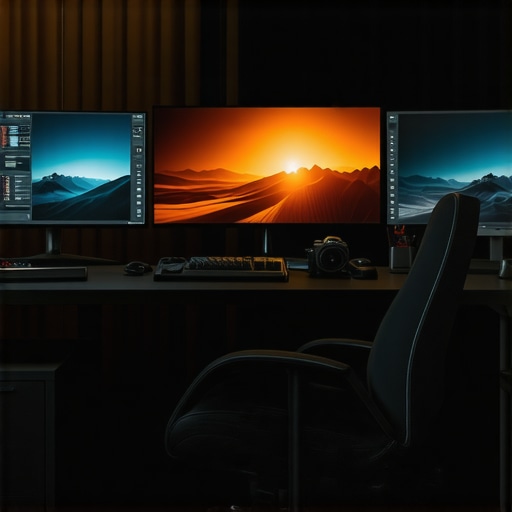
Best Calibrated 4K HDR Monitors for Pro Photo & Video in 2024
Elevating Creativity with Expert-Grade Calibrated 4K HDR Monitors in 2024
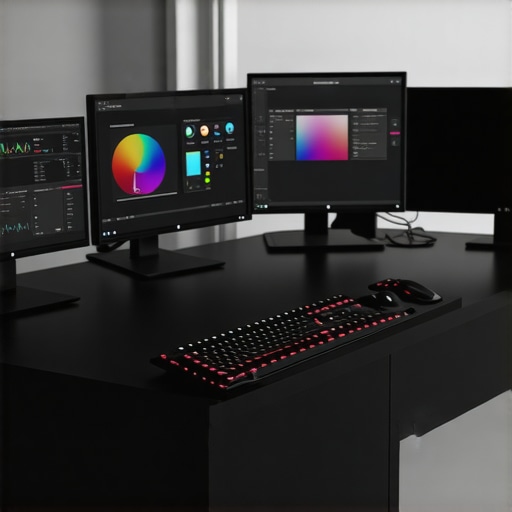
In an era where visual fidelity defines professional excellence, selecting the right calibrated 4K HDR monitor becomes a strategic imperative for photographers, videographers, and digital artists. The convergence of 4K resolution, high dynamic range (HDR), and precise color calibration offers unparalleled accuracy, enabling creators to deliver outputs that meet the exacting standards of client expectations and industry benchmarks.
What Defines the Pinnacle of Calibration and HDR Technology for Creatives
At the core of top-tier professional monitors lies a sophisticated calibration process, often employing hardware colorimeters and software algorithms to achieve a near-perfect color gamut and gamma consistency. HDR support further enhances this capability by expanding contrast ratios and luminance levels, crucial for post-production workflows demanding dynamic range and color grading precision. As noted in recent insights from Workstation Wizard, the integration of these features directly correlates with enhanced visual accuracy essential for high-stakes creative work.
Choosing the Best Calibrated 4K HDR Monitors for Professional Use
Among the landscape of options, models like the Sony BVM-HX310 and Eizo ColorEdge CG319X exemplify industry-leading calibration stability and HDR support. These monitors incorporate advanced hardware calibration tools, wide color gamuts such as DCI-P3 and Adobe RGB, and high peak luminance levels, facilitating precise grading and color matching across diverse media types. For professionals aiming for a balance of cost and performance, the Top Calibrated Color Accuracy Monitors list provides a curated selection emphasizing color fidelity and calibration longevity.
How Does Color Management Impact Creative Accuracy
Color management systems (CMS) integrated into these monitors ensure consistent representation of hues, saturation, and luminance, minimizing discrepancies during color grading or photo editing. This consistency is vital for professional output, where even minor deviations could compromise the final product’s visual integrity. As Expert Guides highlight, mastering calibration and color profiling techniques is essential for unlocking the full potential of high-end monitors.
What are the trade-offs between HDR peak luminance and color volume for professional accuracy?
Balancing HDR peak luminance with expansive color volume remains a nuanced challenge. While higher luminance enhances contrast for HDR content, excessive brightness can sometimes distort color accuracy if not properly calibrated. Conversely, expanding color volume without sufficient luminance can limit the visual impact in HDR workflows. Achieving an optimal calibration setup that harmonizes these parameters demands both technical expertise and ongoing validation—an area where professional calibration tools and consistent workflow practices are indispensable.
For those seeking to deepen their understanding of calibration techniques, exploring resources like the Calibrated Monitors Explained article can provide valuable insights. Moreover, engaging with professional communities fosters the exchange of nuanced tips and best practices, ensuring your visual tools remain aligned with industry standards.
As the landscape of professional display technology continues to evolve, maintaining a rigorous calibration routine and selecting monitors with proven HDR and color accuracy capabilities are non-negotiable for creative professionals committed to excellence.
Why Does Calibration Still Matter in a Digital Age?
Even with the rapid advancement of display technology, the importance of meticulous calibration remains paramount for professionals aiming for precision. Hardware calibration tools like colorimeters and spectrophotometers, combined with sophisticated software, ensure that monitors maintain consistent color output over time. This consistency is especially critical when working with high dynamic range (HDR) content, where even slight deviations can significantly impact the final visual quality. According to Workstation Wizard, ongoing calibration routines are the backbone of reliable color fidelity for creative professionals.
The Fine Balance Between Brightness and Color Volume
Achieving the perfect blend of peak luminance and expansive color volume demands a nuanced understanding of display capabilities. High peak luminance enhances contrast and dynamic range in HDR workflows, but if not properly calibrated, it can lead to oversaturation or color inaccuracies. Conversely, prioritizing broad color volume without sufficient luminance might diminish HDR’s visual impact. Expert calibration extends beyond initial setup, requiring continuous validation and adjustment to optimize these parameters. Professionals often leverage advanced calibration software that can simulate real-world lighting conditions, ensuring their monitor’s output aligns with industry standards like DCI-P3 and Adobe RGB.
What role does ambient lighting play in maintaining calibration integrity?
Ambient lighting conditions can significantly influence perceived color accuracy and contrast. Even the most precisely calibrated monitor can show discrepancies if the surrounding environment introduces glare or inconsistent lighting. For optimal results, professionals should consider controlled lighting environments or use bias lighting to minimize visual fatigue and maintain calibration fidelity. This holistic approach ensures that color judgments remain consistent across different sessions, a crucial factor in high-stakes creative work. To explore more about ambient considerations, check out the latest insights on HDR monitors for professional editing.
Integrating Calibration into Workflow for Long-Term Precision
Embedding calibration routines into daily workflows helps sustain the accuracy of high-end monitors. Many professionals schedule weekly calibration sessions, especially when working on critical projects, to account for display aging and environmental shifts. Using calibration tools that support hardware profiling and software correction ensures continuous adherence to color standards. Moreover, understanding the technical nuances of calibration — including gamma correction, white point adjustment, and color gamut mapping — empowers creators to troubleshoot and fine-tune their setups effectively. For a comprehensive overview, see calibration techniques for creative professionals.
Engaging with industry forums and expert communities can also provide ongoing support, sharing best practices and emerging calibration tools. Mastery of calibration not only enhances visual fidelity but also reinforces confidence in color-critical workflows, ultimately elevating the quality of creative output.
Refining Visual Precision: The Role of Advanced Calibration Techniques in HDR Workflows
As digital creatives push the boundaries of visual storytelling, the importance of meticulous calibration becomes even more critical. Modern calibration methodologies leverage not only hardware tools like spectrophotometers but also sophisticated software algorithms that adapt to evolving display characteristics over time. These techniques ensure that high dynamic range (HDR) content is rendered with maximum fidelity, capturing the nuanced gradations of luminance and color that define cinematic and photographic excellence.
For instance, techniques such as 3D LUT (Look-Up Table) calibration enable precise color mapping, allowing professionals to align monitor output with industry standards like DCI-P3 and Rec. 2020. This process involves creating custom calibration profiles that account for the specific color behavior of individual units, leading to consistency across multiple devices—an essential factor in collaborative workflows involving multiple artists or editors.
According to a detailed study published by the Journal of Imaging Science and Technology, advanced calibration techniques significantly reduce color shift and luminance drift over time, maintaining accuracy for critical projects. Implementing routine calibration schedules—weekly or bi-weekly—becomes a best practice to mitigate display aging effects and ensure continued precision in HDR workflows.
What challenges do high-luminance monitors pose for color accuracy and how can they be mitigated?
High-luminance monitors, while vital for vibrant HDR content, introduce unique calibration challenges. Excessive brightness can cause color clipping or oversaturation, especially in darker regions, compromising the subtlety required for professional grading. To counter these issues, calibration should include gamma adjustments and tone mapping that preserve dynamic range without sacrificing color fidelity. Additionally, employing hardware local dimming and controlling ambient light conditions can help maintain perceptual accuracy, ensuring that the monitor’s high luminance does not distort the intended visual output.
Industry standards recommend maintaining peak luminance within specified ranges (e.g., 1000 nits for Dolby Vision) and verifying calibration with reference test patterns. This practice guarantees that HDR content looks consistent across different viewing environments, a crucial aspect when delivering final products to clients or broadcast stations.
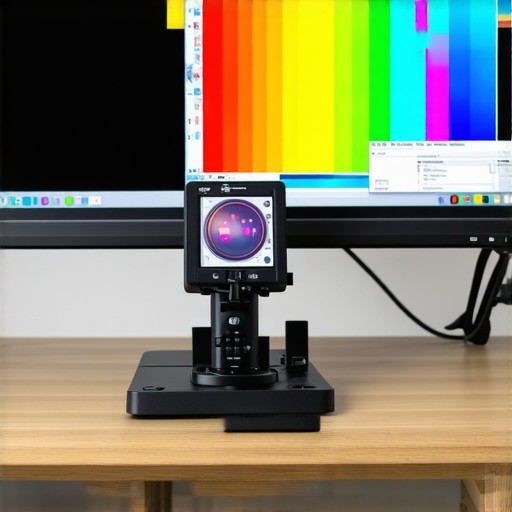
Elevating Workflow Efficiency with Intelligent Ambient Light Management
Ambient light profoundly influences perceived image quality, especially on high-end HDR monitors. Uncontrolled lighting can introduce glare, reduce contrast perception, and skew color judgments. To optimize calibration integrity, many professionals adopt intelligent ambient light management systems—such as bias lighting that dynamically adjusts based on monitor luminance and room conditions.
Research from the Lighting Research Center underscores how adaptive lighting solutions can significantly enhance perceptual color accuracy, reducing eye strain and maintaining calibration fidelity over extended editing sessions. Implementing such systems not only improves productivity but also safeguards the visual integrity of color-critical projects.
Furthermore, integrating ambient light sensors with calibration software allows for real-time adjustments, ensuring consistent viewing conditions. This holistic approach aligns with the best practices outlined by industry standards, reinforcing the importance of environmental control in achieving impeccable HDR and color precision.
Embedding Calibration into Long-Term Creative Strategies
Consistency over time is the cornerstone of professional-grade visual output. Embedding calibration routines into daily workflows—whether through scheduled software profiles or hardware profiling devices—ensures that monitors remain aligned with industry standards. This proactive stance involves maintaining detailed calibration logs, tracking luminance and color shifts, and adjusting workflows accordingly.
Advanced calibration solutions now support automated routines, providing real-time feedback and suggestions for adjustments, which is invaluable during intensive editing phases. Moreover, ongoing education—attending workshops or engaging with industry forums—keeps professionals abreast of emerging techniques and standards, ultimately elevating the quality of their work.
Interested in mastering calibration mastery? Explore authoritative resources like the Professional Calibration Guide to deepen your understanding and refine your workflow practices for 2024 and beyond.
Harnessing Advanced Calibration for Peak Creative Precision in 2024
In the sophisticated realm of digital content creation, the nuances of monitor calibration extend beyond mere setup, demanding a mastery of complex techniques that ensure unwavering accuracy in HDR and color fidelity. Professionals leveraging hardware tools such as spectrophotometers and integrating software solutions like 3D LUT calibration can achieve a level of precision that transforms their workflow, bringing cinematic and photographic visions to life with unmatched clarity.
What Are the Cutting-Edge Calibration Strategies for HDR Content?
Implementing multi-point calibration routines that incorporate gamma correction, white point adjustment, and color gamut mapping allows for a comprehensive approach to monitor profiling. These strategies are vital when working with high-luminance HDR displays, where subtle luminance gradations and color nuances define the visual impact. Industry-standard calibration workflows now often include iterative testing with reference patterns and real-time feedback, ensuring the monitor’s output remains aligned with the latest HDR standards like Dolby Vision and Rec. 2020.
How Can Industry-Leading Calibration Tools Elevate Creative Outcomes?
High-precision devices such as the X-Rite i1Display Pro Plus and the CalMAN calibration suite provide granular control over color and luminance. These tools facilitate the creation of custom calibration profiles that account for display aging and environmental variations, which are critical in maintaining long-term consistency. According to the Journal of Imaging Science and Technology, adopting such advanced calibration methodologies significantly reduces color shift, ensuring that high dynamic range content remains true to the creator’s intent across different viewing conditions.
How do sophisticated calibration techniques mitigate issues like color shift and luminance drift in professional HDR workflows?
By employing multi-point, 3D LUT calibration combined with regular validation routines, professionals can counteract the natural aging of display components and environmental influences. These techniques enable precise correction of luminance roll-off and color inaccuracies, preserving the integrity of HDR content from creation to final delivery. Continuous calibration, supported by software automation, ensures the monitor adapts to subtle shifts over time, thus safeguarding visual fidelity and client satisfaction.
To deepen your expertise, explore references such as the Professional Calibration Guide which offers comprehensive insights into maintaining calibration excellence in high-end workflows.
Why Do Environmental Control and Ambient Light Management Matter?
Ambient lighting conditions profoundly influence the perception of calibrated displays, especially in HDR workflows where contrast and luminance are paramount. Precise control over ambient light through adaptive bias lighting and environmental regulation minimizes glare and prevents color distortion. As supported by research from the Lighting Research Center, these measures enhance the reliability of color judgments and overall visual consistency, making them indispensable for professional-grade color grading and post-production.
What Are the Benefits of Integrating Calibration into Long-Term Creative Strategies?
Embedding routine calibration schedules into daily operations ensures sustained accuracy amid display aging and environmental changes. Leveraging automated calibration software that logs and analyzes performance metrics empowers professionals to anticipate and address potential deviations proactively. This disciplined approach not only enhances the quality of final outputs but also streamlines collaboration across teams, fostering a culture of precision and excellence in digital artistry.
For continued mastery, consider consulting dedicated resources like the Advanced Calibration Techniques for Professionals, designed to elevate your understanding and application of state-of-the-art calibration practices in 2024 and beyond.
Harness the Power of Precise Calibration for Creative Excellence
Achieving unparalleled visual fidelity in professional workflows hinges on meticulous monitor calibration. Expert-level calibration techniques, including multi-point 3D LUT profiling and spectral measurement, are essential for maintaining color integrity across high dynamic range (HDR) content and 4K resolution displays. Leveraging advanced tools like the X-Rite i1Display Pro Plus and CalMAN calibration software allows professionals to create custom profiles that counteract display aging and environmental shifts, ensuring consistent accuracy over time.
Strategic Environmental Control Elevates Visual Accuracy
Ambient lighting significantly impacts perceived color and contrast. Implementing adaptive bias lighting and controlling room illumination minimizes glare and prevents color distortion, a critical consideration for high-end HDR workflows. Experts recommend integrating ambient light sensors with calibration routines to enable real-time adjustments, thereby safeguarding the visual fidelity of HDR content and ensuring that calibration remains stable during extended editing sessions.
Long-Term Calibration Embeds Excellence into Creative Processes
Embedding routine calibration into daily workflows is vital. Scheduled weekly or bi-weekly calibration sessions using hardware profiling tools help mitigate display aging effects and environmental influences. Maintaining detailed calibration logs and leveraging automated calibration solutions support ongoing accuracy, which is fundamental for professional-grade output. Engaging with industry forums and professional communities facilitates the exchange of emerging techniques, fostering continuous improvement in calibration practices.
Expert Resources to Deepen Your Calibration Knowledge
- https://monitors.workstationwizard.com/hdr-monitors-unveiled-elevate-your-visual-experience-in-2025 – An authoritative guide on HDR monitor technology and calibration strategies for professionals.
- https://monitors.workstationwizard.com/mastering-color-accuracy-top-professional-monitors-for-creatives – Insights into selecting and calibrating monitors for color-critical workflows.
- https://monitors.workstationwizard.com/ultimate-guide-to-4k-monitors-for-professional-visuals – Comprehensive information on 4K display calibration for high-resolution content creation.
Synthesizing Advanced Calibration for Creative Mastery
In the realm of professional visual creation, calibration transcends initial setup, demanding ongoing mastery of sophisticated techniques that ensure unwavering accuracy. The fusion of hardware measurement, software profiling, ambient light management, and routine validation forms the backbone of excellence in HDR workflows. By embracing these expert insights and leveraging top-tier resources, creators can elevate their craft, delivering outputs that meet the strictest industry standards and client expectations. For those committed to this level of precision, engaging with the latest calibration methodologies and participating in professional communities will unlock new horizons of creative potential.
About the Author

This article provides a comprehensive overview of the critical aspects involved in high-end monitor calibration, especially for HDR workflows. I’ve personally found that investing in good calibration tools like the X-Rite i1Display Pro Plus really makes a difference in maintaining color consistency over time. One thing I’ve noticed is that environmental factors, particularly ambient lighting, can surprisingly impact perceived image quality even when the monitor itself is perfectly calibrated. I’ve started using bias lighting to minimize glare and improve color accuracy during long editing sessions. It made me wonder—how much do others here think ambient light control contributes to calibration stability? Are there specific setups that have worked particularly well for you? I’d love to hear different approaches or tips for optimizing workspace lighting to preserve calibration precision in HDR and 4K workflows.