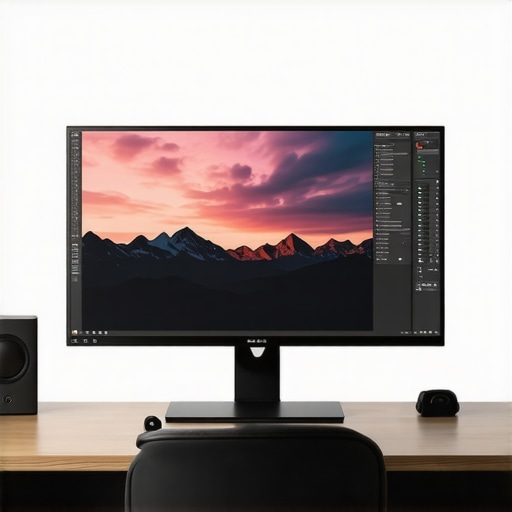
Top Color Accuracy & HDR Monitors for Photo and Video Editing
Why Precision in Visual Displays Transforms Creative Excellence
In the realm of high-end visual production, the choice of a calibrated monitor with exceptional color accuracy and HDR capabilities is not a luxury but a fundamental necessity. As professionals in photography, videography, or digital design, understanding the intricate differences between standard monitors and those engineered for precision can redefine your workflow. This article explores the nuances that make the best 4k monitors with HDR and calibration features indispensable for achieving true-to-life visuals and ensuring your output meets industry standards.
Enhancing Color Fidelity Through Advanced Calibration Techniques
Calibration is the cornerstone of accurate color reproduction. Professional-grade monitors utilize sophisticated hardware and software calibration processes to ensure that every hue, shade, and detail aligns perfectly with industry color profiles. Unlike consumer-grade screens, calibrated monitors for professionals are designed with high bit-depth panels, uniform backlighting, and low response times, which collectively minimize color shifts and inconsistencies. For instance, the calibrated monitor ensures your creative work is not compromised by display inaccuracies, avoiding costly revisions and reprints.
HDR Capabilities and Their Impact on Creative Realism
The advent of HDR monitors has revolutionized digital imaging, providing a broader color gamut and increased luminance levels that emulate real-world lighting conditions. When paired with 4K resolution, HDR enhances the depth and vibrancy of visual content, making it indispensable for professionals engaged in high-end photo and video editing. The latest HDR monitors support standards like Dolby Vision and HDR10, ensuring compatibility with emerging content formats. This combination allows for meticulous editing with confidence that the final output will be consistent across various viewing platforms.
What Are the Key Differences Between Standard and Professional HDR Monitors?
While consumer HDR displays provide a perceptible boost in contrast and color, professional HDR monitors offer precise control over luminance levels, color volume, and gamma settings. These features are crucial for achieving industry-grade results in color grading, visual effects, and digital content creation. Furthermore, professional HDR monitors are factory-calibrated and often include hardware calibration options, maintaining accuracy over time—a feature essential for long-term projects.
For those seeking a comprehensive solution, exploring best HDR monitors for precise color can provide insights into models that blend high dynamic range with impeccable color fidelity.
Integrating 4K Resolution for Unmatched Detail and Workflow Efficiency
The 4k monitor resolution is a game-changer in professional editing environments. Its ability to display four times the pixel count of Full HD monitors ensures intricate details are visible, reducing the need for constant zooming or panning. When combined with high color accuracy and HDR support, 4K displays enable creators to see their work in a near-final state, accelerating decision-making and minimizing errors. For example, the ultimate guide to 4k monitors highlights models that are optimized for creators demanding the highest fidelity.
Choosing the right 4K monitor involves considering factors such as panel type, color gamut coverage (like DCI-P3 or AdobeRGB), and hardware calibration capabilities. These elements collectively ensure your monitor can deliver consistent, accurate results across diverse projects.
What Makes a Monitor Truly Suitable for High-End Creative Work?
Beyond resolution and HDR features, professional monitors must offer robust connectivity options, color uniformity, and low latency. A comprehensive top-calibrated monitor integrates hardware calibration sensors, factory calibration reports, and extensive color profile support. These features guarantee ongoing accuracy, critical for tasks like color grading and VFX compositing where precision can make or break a project.
If you are committed to elevating your visual standards, continuously exploring expert content and sharing insights with fellow professionals can foster a richer understanding of emerging technologies and best practices. Visit our contact page to join the discussion or seek tailored recommendations.
Push Your Creative Limits with Advanced Calibration Strategies
Achieving impeccable color accuracy and HDR performance hinges on the meticulous calibration of your monitor. While factory calibration provides a solid foundation, professional-grade creatives often require ongoing adjustments to maintain peak precision. Hardware calibration tools, such as colorimeters and spectrophotometers, enable precise control over luminance, color temperature, and gamma settings, ensuring your display remains aligned with industry standards. For in-depth guidance, explore why calibration matters for designers and learn how to implement robust calibration routines that conserve your workflow integrity.
Color Gamut Coverage and Its Role in Creative Excellence
Beyond calibration, understanding your monitor’s color gamut is crucial. A wide color gamut, such as DCI-P3 or AdobeRGB, allows your display to reproduce a broader spectrum of colors, essential for accurate photo editing, video production, and digital artwork. When paired with HDR support, these features enable your monitor to depict high dynamic range content with stunning realism. For example, the best color accuracy HDR monitors are tailored for professionals who demand both vibrant visuals and precise color fidelity, ensuring consistency across devices and media workflows.
How Can You Ensure Consistent Color Performance Over Time?
Maintaining long-term color accuracy involves regular calibration and understanding of your monitor’s performance metrics. Many high-end displays include hardware sensors that facilitate scheduled calibration, minimizing drift caused by environmental factors or aging components. Additionally, creating and adhering to standardized color profiles within editing software helps maintain consistency. For professionals curious about the technical nuances, reviewing authoritative resources like the ultimate guide to calibrated monitors can prove invaluable.
Interested in elevating your visual workflow? Share your calibration experiences or ask for tailored advice in our community forums, or visit contact us for expert recommendations.
Unlocking the Full Potential of Your Creative Display Setup
In the competitive landscape of digital artistry, merely owning a high-resolution monitor isn’t enough. To truly push the boundaries of your creative projects, it’s essential to understand the intricacies of professional-grade displays—particularly how calibration, color gamut, HDR, and resolution synergize to produce stunning, industry-standard results. This article delves into advanced strategies for maximizing your monitor’s performance, ensuring your workflow remains cutting-edge and results impeccable.
Refining Color Precision Through Sophisticated Calibration
While factory calibration lays a solid foundation, ongoing calibration is vital for maintaining consistent color fidelity over time. Hardware tools like spectrophotometers and colorimeters enable precise adjustments of gamma, luminance, and color temperature, aligning your display with industry color standards such as DCI-P3 and AdobeRGB. Implementing a regular calibration routine—monthly or bi-weekly—can prevent color drift caused by environmental factors or aging components. For professional workflows demanding extraordinary accuracy, investing in integrated calibration sensors and software like CalMAN or DisplayCAL can streamline this process, ensuring your outputs remain true to the original intent.
Achieving Visual Realism with Advanced HDR Technologies
High Dynamic Range (HDR) is more than a buzzword; it’s a transformative feature that amplifies visual depth and realism. Modern HDR monitors support standards like Dolby Vision, HDR10, and HLG, providing enhanced luminance ranges and wider color gamuts. This capability enables you to visualize content with nuanced highlights and shadows, crucial for color grading, VFX compositing, and high-end photography. When paired with 4K resolution, HDR monitors allow for precise editing and grading, reducing the need for multiple exports and checks across devices. As the industry advances, understanding how to calibrate HDR settings—such as peak luminance and tone mapping—is essential for delivering professional-grade content.
What Does True HDR Compatibility Entail for Creative Professionals?
Beyond basic support, true HDR compatibility involves hardware that can accurately reproduce luminance levels up to 1000 nits or more, along with precise color volume management. This ensures that HDR content retains its intended visual impact across different display environments. Calibration tools that include HDR-specific measurement modes are invaluable for achieving this fidelity. For detailed insights, refer to the authoritative standards outlined by the UHD Alliance and SMPTE, which define the benchmarks for professional HDR workflows.
Leveraging 4K Resolution for Unmatched Detail and Efficiency
The leap to 4K resolution (3840×2160 pixels) revolutionizes creative workflows by providing unparalleled detail visibility. This allows editors to spot minute inconsistencies and make precise adjustments without excessive zooming or panning. When optimized with high color gamut coverage—such as DCI-P3 or AdobeRGB—and hardware calibration, 4K monitors serve as near-final review displays. This reduces post-production iterations, accelerates approval cycles, and ensures your final output is both accurate and visually compelling. High-end models like the ASUS ProArt Series or Eizo ColorEdge combine these features seamlessly, catering to professionals demanding ultimate quality.
Designing a Monitor Environment for Peak Performance
Creating an optimal workspace involves more than selecting the right monitor; it requires controlling ambient lighting, maintaining consistent color temperature, and employing proper monitor positioning. Minimizing reflections and glare, along with using color-neutral lighting, enhances your ability to judge color accuracy effectively. Additionally, employing hardware calibration tools periodically checks and maintains your display’s performance. This holistic approach ensures that color consistency is preserved across long projects, and that your creative decisions are based on reliable visual data.
Why Regular Calibration Is Non-Negotiable for Professionals
In high-stakes digital production, even slight deviations in color or luminance can compromise your work’s integrity. Regular calibration, supported by hardware sensors and professional calibration software, ensures your monitor remains aligned with industry standards. It also helps in identifying potential hardware issues before they impact your productivity. For those seeking to deepen their expertise, resources such as the Ultimate Guide to Calibrated Monitors provide comprehensive methodologies and best practices.
Interested in elevating your display calibration routine? Engage with industry experts, share your experiences, and stay updated on emerging technologies by subscribing to professional forums and publications dedicated to display calibration and color management.
Revolutionize Your Visual Workflow with Peak Calibration Techniques
Achieving exceptional color fidelity requires more than just initial calibration. Advanced professionals leverage hardware calibration tools like spectrophotometers and colorimeters to perform routine adjustments, ensuring consistent color accuracy and luminance stability over long projects. Incorporating software solutions such as CalMAN or DisplayCAL into your workflow allows for precise, repeatable calibration sessions, critical for maintaining industry standards in high-stakes environments. Regular calibration routines—monthly or bi-weekly—are essential for preventing drift and preserving visual integrity, especially when working with multiple devices or in varying ambient conditions.
HDR Technology Unveiled for the Discerning Creator
High Dynamic Range remains a cornerstone of modern digital imaging, but its true potential is unlocked through hardware that supports standards like Dolby Vision and HDR10. These standards demand displays capable of reaching peak luminance levels of over 1000 nits, with accurate tone mapping and wide color gamuts such as DCI-P3 and AdobeRGB. Such capabilities enable precise editing of high-contrast scenes, ensuring your final product retains its visual impact across different viewing platforms. Mastering HDR calibration involves fine-tuning parameters like peak luminance and color volume, which is vital for delivering content that meets professional broadcast and cinematic standards.
How Do Elite HDR Monitors Elevate Creative Precision?
Elite HDR monitors go beyond consumer offerings by providing hardware that can reproduce the full luminance range and color volume specified by industry standards. These displays often incorporate hardware-based calibration sensors, allowing for ongoing adjustments that maintain peak performance. Additionally, their compatibility with professional grading tools and color management workflows makes them indispensable for high-end post-production work. To explore the best options, consult resources like the UHD Alliance’s guidelines and recommendations from industry-leading manufacturers such as Eizo and Sony, which set benchmarks for HDR accuracy.
Unlocking the Power of 4K Resolution for Dynamic Content Creation
4K resolution (3840×2160 pixels) transforms creative workflows by revealing intricate details often missed on lower-resolution screens. When combined with high color gamut coverage and hardware calibration, 4K displays serve as near-final review tools, enabling editors and colorists to make precise adjustments with confidence. This synergy reduces rework and accelerates project timelines, especially in complex tasks like visual effects and color grading. Leading models from brands like ASUS ProArt and Eizo provide optimized features such as factory calibration and wide color spaces, making them ideal for demanding professional environments.
What Are the Critical Factors for Choosing the Right Creative Monitor?
Beyond resolution and HDR support, the ideal professional monitor offers comprehensive connectivity options, exceptional uniformity, and low latency. Features like hardware calibration sensors, factory calibration reports, and extensive color profile support are non-negotiable for sustained accuracy. These elements ensure your display maintains consistency across projects, making it a reliable asset in your creative arsenal. For tailored recommendations, industry experts suggest considering models that combine high bit-depth panels, wide color spaces, and robust calibration capabilities, such as those from Eizo and NEC.
Enhance Your Calibration Routine for Long-Term Performance
Implementing a disciplined calibration routine is crucial for preserving your monitor’s accuracy. Hardware-based tools, including spectrophotometers, facilitate detailed measurements of luminance, gamma, and color temperature, enabling precise adjustments. Scheduling calibration sessions regularly—every month or after environmental changes—prevents color and luminance drift. Creating standardized color profiles within editing software further ensures consistency across devices. For an in-depth understanding, authoritative resources like the Ultimate Guide to Calibrated Monitors offer comprehensive methodologies tailored for high-end creative workflows.
Maximize Color Gamut for Artistic Brilliance
Color gamut coverage directly influences the vibrancy and accuracy of your visual projects. Monitors supporting wide gamuts such as DCI-P3 or AdobeRGB enable reproduction of a broader spectrum of colors, essential for high-quality photo editing, cinematic grading, and digital art. When paired with HDR support, these features empower creators to produce content with stunning realism and depth. To ensure your display’s color performance remains optimal, utilize calibration tools compatible with wide color spaces and adhere to calibration schedules that preserve accuracy over time. For detailed insights, industry-standard sources like the best color accuracy HDR monitors are invaluable.
How Can You Sustain Consistent Color Output Throughout Long Projects?
Consistency in color output hinges on rigorous calibration routines and the integration of hardware sensors capable of real-time adjustments. Regularly updating calibration profiles and employing software that supports hardware calibration ensures your monitor’s performance remains aligned with industry standards. Additionally, controlling ambient lighting and minimizing glare in your workspace enhances color judgment accuracy. Industry experts recommend establishing calibration checkpoints aligned with project milestones, especially when working in dynamic environments or across multiple displays.
To deepen your expertise, explore authoritative guides like the Ultimate Guide to Calibrated Monitors. Share your calibration successes and challenges within professional communities to refine your approach continually, ensuring your visual outputs are always at the pinnacle of precision.
Insider Tips for Achieving True Color Fidelity
For professionals, mastering calibration techniques ensures your monitor reflects the most accurate colors. Hardware calibration devices like spectrophotometers and advanced software such as CalMAN or DisplayCAL enable you to fine-tune luminance, gamma, and color temperature, maintaining industry-standard accuracy over time. Regular calibration routines, ideally monthly, prevent drift and safeguard your work’s integrity, especially in high-stakes environments where precision is paramount.
Maximize Visual Impact with HDR Standards
Implementing HDR technology that supports Dolby Vision and HDR10 standards elevates your creative projects by delivering broader color volumes and luminance ranges. This allows for nuanced highlights, shadows, and realistic textures, crucial for color grading, VFX, and cinematic editing. Expert editors know that understanding how to properly calibrate HDR settings, including peak luminance and tone mapping, can make the difference between good and exceptional visual storytelling.
Harness the Power of 4K Resolution for Detailed Editing
4K monitors provide four times the pixel density of Full HD, revealing subtle details that lower resolutions miss. When combined with wide color gamuts like DCI-P3 or AdobeRGB and hardware calibration, these displays serve as near-final review stations, reducing rework and speeding up workflows. Models from industry leaders such as ASUS ProArt or Eizo ColorEdge are engineered to meet the demanding needs of creative professionals seeking pixel-perfect results.
Creating an Environment for Consistent Results
Optimizing your workspace involves controlling ambient lighting, minimizing glare, and maintaining consistent color temperature. Proper monitor positioning and neutral lighting conditions enhance your ability to judge color accuracy accurately. Additionally, integrating hardware calibration sensors installed within your display can help sustain performance, ensuring your creative decisions are based on reliable visual data even after prolonged use.
Expert Strategies for Long-Term Calibration Success
Beyond initial setup, a disciplined calibration schedule using tools like spectrophotometers ensures ongoing accuracy. Establishing standardized color profiles within your editing software guarantees consistency across devices and projects. Staying informed through authoritative resources and participating in professional communities enables you to adapt to evolving standards and technical advancements, keeping your workflow at the cutting edge.
Curated Resources for Advanced Understanding
- Mastering Color Accuracy and Calibration – https://monitors.workstationwizard.com/mastering-color-accuracy-top-professional-monitors-for-creatives This resource offers comprehensive guidance on choosing and maintaining professional-grade monitors with optimal calibration practices.
- Ultimate Guide to 4K Monitors – https://monitors.workstationwizard.com/the-ultimate-guide-to-4k-monitors-for-professional-visuals A detailed overview of 4K monitor specifications, calibration, and usage tips tailored for creative professionals.
- HDR Calibration and Standards – https://monitors.workstationwizard.com/hdr-monitors-unveiled-elevate-your-visual-experience-in-2025 Insights into HDR standards, calibration techniques, and the latest industry benchmarks.
Final Reflection from the Expert
In the realm of high-end visual production, calibrated 4K HDR monitors stand as the cornerstone of professional excellence. The blend of expert calibration, adherence to HDR standards, and resolution mastery empowers creatives to push their boundaries and produce industry-leading content. Remember, the key to sustained success lies in continuous learning, disciplined calibration routines, and leveraging trusted resources. Engage with fellow professionals, share insights, and stay ahead of emerging technologies to ensure your visual outputs always meet the highest standards of accuracy and artistry.
About the Author

This article really highlights the crucial role of calibration and HDR capabilities in professional displays. I’ve personally worked with several HDR monitors and found that regular calibration, especially using hardware tools, has made a noticeable difference in maintaining color consistency over time. The integration of wide color gamuts like DCI-P3 really elevates the accuracy, which is essential for my color grading projects. One challenge I often face is balancing HDR brightness settings with ambient lighting; I wonder how others optimize their workspace for critical color work? Do you prefer to calibrate HDR peak luminance settings monthly or quarterly depending on your environment? It’s fascinating how these technical details can significantly impact the final quality of visual content, and I’d love to hear some effective calibration routines others use to streamline this process.
This article sheds valuable light on the nuanced importance of calibration and HDR capabilities in high-end monitors. I’ve consistently found that implementing a regular calibration routine with professional-grade tools, like the spectrophotometer I use, greatly enhances color stability over time. Especially when working with HDR, precise calibration of luminance and contrast settings significantly impacts the realism and consistency of the final output. In my experience, ambient lighting conditions play a huge role in HDR calibration. I tend to calibrate my HDR peak luminance monthly to account for seasonal changes in lighting, but I’m curious—do others find quarterly recalibration sufficient, or should it be more frequent in certain environments? Also, I’d love to hear about other calibration workflows that have proven effective in maintaining color fidelity for demanding projects. It’s clear that meticulous calibration is a cornerstone for professional content creation, ensuring precision from editing to final delivery.