Stop Clipping Your Highlights: 5 HDR Panels for Clean Gradients
Elevating Visual Fidelity: The Critical Nexus of HDR Technology and Professional Monitoring
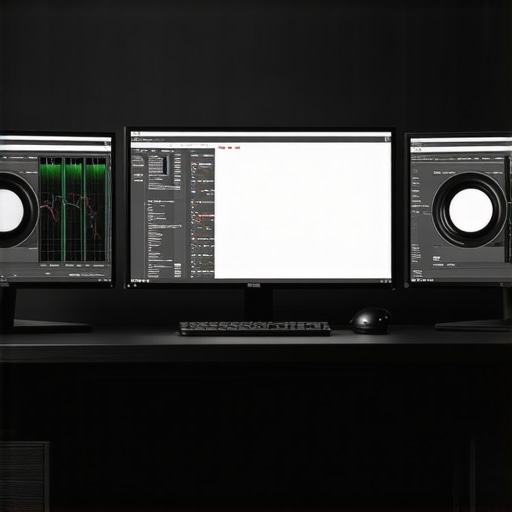
In the realm of high-end video production and digital artistry, the pursuit of impeccable color accuracy and seamless gradients hinges on the sophisticated integration of HDR (High Dynamic Range) technology with calibrated, professional-grade monitors. These tools serve not only as displays but as pivotal instruments in translating creative intent into visually compelling narratives. Understanding the nuanced performance metrics and technological advancements in HDR panels informs strategic decisions for studio setups aiming for industry-standard excellence.
Deciphering the Complexities of HDR Panel Architectures and Gradient Fidelity
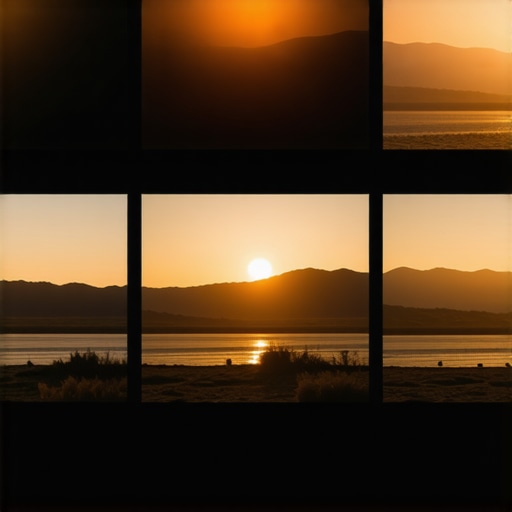
Modern HDR monitors employ diverse display architectures such as OLED, Nano IPS, and advanced LED variants, each presenting unique characteristics affecting gradient representation, peak brightness, and thermal stability. For instance, OLED panels excel in delivering true blacks and smooth gradients but grapple with issues like burn-in and limited brightness ceiling, often complicating their role in high-brightness grading workflows. Conversely, Nano IPS displays offer higher durability and peak luminance levels critical for mastering stages, provided their calibration maintains color uniformity across the panel surface. The intricacies of panel architecture directly influence the monitor’s capacity to sustain high-fidelity gradients without artifacts like banding or color shifts, which can distort subtle tonal variations integral to professional grading.
Ensuring Sustained Color Accuracy Through Precise Calibration Protocols
Calibration transcends routine adjustments, becoming a critical process that ensures the monitor’s output aligns with industry color standards such as Rec. 2020, DCI-P3, or P3 D65 white point. The advent of 14-bit RAW-ready monitors and those capable of self-correcting through embedded sensors has revolutionized workflows, reducing drift and maintaining a stable color gamut during extended sessions. Yet, debates persist about the best calibration practices for managing gray balance, white point stability, and gamma accuracy over time. Advanced calibration solutions integrate LUT management and thermal compensation, safeguarding the integrity of high-bit-depth gradients necessary for Hollywood-grade visual effects and meticulous color grading.
Leveraging 4K Monitors to Capture the Nuances of Creative Detailing
The move to 4K resolution has set a new standard in professional editing, offering pixel-perfect clarity and room for precise color manipulations. However, resolution alone does not guarantee color fidelity; it must be paired with high-quality chromatic reproduction, low input lag, and consistent patching of color profiles. Expert studios often use calibrated 4K monitors with matrix shading correction to prevent color shifts across the panel. For creatives working with HDR workflows, the challenge lies in selecting displays that handle HDR metadata effectively, deliver sustained peak brightness aligned with content specifications, and accurately reflect true black levels. Resources like The Ultimate Guide to 4K Monitors for Professional Visuals provide comprehensive insights into this evolution.
What Are the Most Critical Factors in Maintaining Long-Term Display Accuracy?
Practitioners often clash over the importance of panel topology versus calibration techniques. Is continued software calibration sufficient to offset panel drift, or must hardware solutions like built-in sensor arrays be prioritized? The debate extends to thermal management strategies, with some experts arguing that efficient heat dissipation mitigates luminance and color shifts during prolonged use, ensuring that your monitor’s performance remains stable during demanding grading sessions. As industry reports highlight, long-term color consistency is paramount in preventing costly reworks and ensuring visual continuity across deliverables. Industry bodies like the Society of Motion Picture and Television Engineers (SMPTE) emphasize that calibration protocols aligned with scientific standards are essential in achieving predictable, repeatable results.
Do HDR panels genuinely deliver the promised gradient smoothness without compromise, or are trade-offs inevitable in high-brightness scenarios?
Explore our dedicated content or contribute your insights on professional forums to advance the discussion on HDR performance limits and calibration innovations.
Engaging with the latest research and technological breakthroughs in monitor design ensures that professionals stay at the forefront of color management, brightness control, and LUT accuracy. For an in-depth understanding of how HDR monitors can elevate your workflow, consider reviewing HDR Monitors Unveiled: Elevate Your Visual Experience in 2025 for cutting-edge insights.
,
Maintaining Long-Term Color Fidelity in High-End Workflows
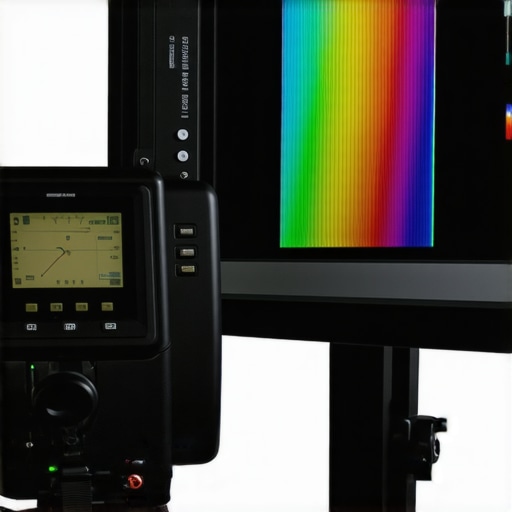
Ensuring consistent color accuracy across extended editing sessions remains a vital challenge for professionals relying on calibrated monitors. While initial calibration aligns a display with industry standards like DCI-P3 or Rec. 2020, various factors such as panel aging, thermal fluctuations, and ambient conditions can introduce drift that compromises fidelity. Advanced calibration solutions, particularly those integrating embedded sensors and thermal compensation algorithms, provide a dynamic approach to monitor stability. These tools enable automated recalibration routines, significantly reducing manual intervention and human error. For example, some high-end monitors now feature self-correcting LUTs that adjust in real-time to maintain precise color reproduction, proving indispensable in environments demanding unwavering consistency. As noted by experts in professional color management, adopting these proactive calibration strategies can prevent costly rework and ensure visual continuity across projects (source).
Are Hardware-Driven Solutions the Answer to Persistent Panel Drift?
Many artists and technicians ponder whether hardware-centric calibration methods—such as built-in sensors and hardware LUT boxes—offer a tangible advantage over software-only adjustments. Hardware solutions can detect subtle luminance and chromatic shifts that software calibration might miss, especially as display components age unevenly. This raises a critical question: Is investing in hardware calibration the best strategy for maintaining peak performance over the monitor’s lifespan, or are software updates sufficient for most professionals? Industry insights suggest that combining both approaches yields optimal results, as hardware sensors can trigger automated software recalibration routines, creating a feedback loop that preserves accuracy with minimal downtime. For detailed guidance on selecting the right tools, consider exploring our review of calibrated monitors that fix color shifts. For ongoing monitoring and adjustment, adherents recommend routine calibration checks aligned with project demands to uphold the rigorous standards of cinematic and broadcast productions.
Push the Boundaries of Brightness and Contrast: Advanced HDR Panel Tuning
Achieving perfect harmony between high peak brightness and seamless contrast in HDR panels demands an intricate balance of hardware capabilities and sophisticated calibration protocols. Beyond standard calibration practices, professionals leverage high-dynamic-range-specific tools, such as spectroradiometers and integrated sensor arrays, to fine-tune luminance levels with nanometer precision. These devices facilitate the mapping of HDR metadata, ensuring the monitor consistently reproduces intended luminescence ranges without losing detail in shadows or highlights, which is critical for cinematic color grading and VFX compositing.
Furthermore, integrating dynamic tone mapping algorithms with hardware calibration creates an adaptive environment where real-time adjustments compensate for environmental variability and monitor aging, pushing the boundaries of what is visually achievable without artifacts or banding.
What is the role of LUT (Look-Up Table) management in preserving HDR gradient fidelity during prolonged use?
With regard to maintaining pristine gradients, LUT management becomes the linchpin in ensuring accurate color transitions. Professional-grade LUTs encode complex transformations that account for non-linear display responses, especially in HDR workflows where subtle gradients are paramount. Advanced calibration hardware often supports 14- to 16-bit LUTs, enabling highly detailed color remapping and preventing gradient posterization. Integrating these LUTs with software calibration routines ensures that the display’s internal color mappings remain stable, reducing the risk of tonal shifts during extended color grading sessions (source). The challenge lies in creating and maintaining these complex LUTs—requiring expert knowledge or automated tools—yet their impact on gradient smoothness cannot be overstated.
Sculpting the Future: How Emerging Technologies Will Revolutionize HDR Monitoring
The panorama of HDR technology is rapidly evolving, with innovations like quantum dot enhancements, nanocrystal materials, and AI-driven adaptive calibration promising unprecedented levels of performance. Quantum dot-enhanced panels, for example, are pushing peak brightness thresholds higher while maintaining precise color spectra, enabling more detailed and luminous HDR reproductions. Meanwhile, AI algorithms are now capable of analyzing real-time display performance, detecting subtle deviations, and proactively adjusting settings to sustain optimal color accuracy and gradient fidelity over hours or days of intensive use.
Consider the potential for self-learning calibration systems that utilize machine learning models trained on vast datasets of display performance metrics, offering near-zero drift and minimal manual intervention. Such developments could fundamentally change the paradigm of professional display calibration, reducing operational costs while elevating standards across the industry.
How can professionals prepare for the integration of AI-based calibration tools without compromising existing quality benchmarks?
Early adoption strategies recommend a cautious approach, starting with hybrid calibration routines where AI suggestions are cross-verified against traditional measurements. Validation protocols, such as periodic spot checks with spectroradiometers, gain confidence in AI recommendations, ensuring they do not deviate from industry standards. Moreover, educating end-users about the nuances of AI-driven adjustments fosters better integration, preventing over-reliance that could inadvertently introduce inconsistencies. Collaborative feedback loops involving calibration experts and software developers will be essential in refining these tools, ensuring they complement rather than replace the nuanced judgment of seasoned colorists and mastering engineers. As these technologies mature, ongoing research from institutions like the Fraunhofer Institute for Integrated Circuits emphasizes that transparency and control remain vital—professionals must retain oversight to uphold uncompromising quality in current and future workflows.

Embracing the Digital Revolution: Custom Calibration Suites for Specialized HDR Tasks
As the demand for tailored HDR solutions surges, custom calibration suites designed for specific industries—film, broadcast, visualization—offer bespoke control over luminance, chroma, and gamma parameters. These advanced tools often incorporate AI-assisted profiling, multi-point calibration, and environmental sensing to adapt to unique workspace conditions dynamically. For instance, film studios benefit from calibration workflows that align precisely with Dolby Vision standards, ensuring fidelity from the earliest stage of post-production to final mastering. Meanwhile, scientific visualization labs require monitors that maintain absolute colorimetric consistency across extended sessions, necessitating calibration systems capable of compensating for minute spectral shifts.
In essence, these specialized calibration suites exemplify how integrating hardware and software innovation empowers professionals to push creative and technical boundaries, securing their position at the forefront of visual excellence. Navigating this evolving landscape calls for continuous education, engagement with industry standards, and a willingness to invest in emerging solutions that promise to redefine the possibilities of HDR display technology.
Revolutionizing Color Precision with Adaptive Calibration Technologies
In the pursuit of uncompromising visual accuracy, professionals now leverage adaptive calibration solutions that incorporate real-time environmental feedback and machine learning algorithms. These systems dynamically adjust display parameters, ensuring consistent color fidelity despite fluctuating ambient lighting or gradual panel aging. Such innovations empower studios to maintain precise calibration over extended periods, minimizing downtime and manual intervention. By integrating sensors and AI-driven adjustments, creators can achieve an unprecedented level of consistency, vital for high-stakes projects demanding exact color reproduction.
Unlocking the Potential of Quantum Dot Enhancements for HDR Brilliance
Quantum dot technology has emerged as a game-changer in HDR panel design, offering expansive color gamuts and higher peak brightness levels. These enhancements allow displays to reproduce a broader spectrum of colors with exceptional luminance, capturing the intended artistic vision with remarkable accuracy. When paired with meticulous calibration protocols, quantum dot panels enable colorists to explore subtle tonal variations and luminance nuances that were previously unattainable, elevating the overall quality of cinematic and broadcast productions.
How Do High Bit-Depth LUTs Preserve Gradient Seamlessness?
High-quality LUTs with 14- to 16-bit depth serve as the backbone for maintaining smooth, artifact-free gradients in HDR workflows. These advanced look-up tables encode complex color transformations, preventing posterization and banding that can mar the viewer’s experience. When integrated with precision calibration routines, high-bit-depth LUTs ensure that every subtle tonal shift is faithfully rendered, fostering seamless transitions across the dynamic range. Mastering this delicate aspect of display management is essential for colorists aiming for flawless visual storytelling.
Can Hardware Calibration Outperform Software-Only Solutions in Long-Term Stability?
Hardware-based calibration tools, such as embedded sensors and dedicated LUT boxes, provide tangible advantages in achieving long-term display stability. They offer real-time measurement and adjustment capabilities that surpass the limitations of software-only methods, especially as panels age or environmental conditions change. Experts argue that, in high-stakes environments, investing in hardware calibration systems yields better accuracy and durability, ultimately safeguarding the integrity of critical visual data over time. Combining both approaches often results in a resilient calibration strategy that adapts to evolving display characteristics.
Why Fine-Tuning HDR Elements Pushes Visual Boundaries
Precise tuning of HDR components like peak luminance, local dimming, and tone mapping critically influences the perceived quality of high-contrast scenes. Advanced calibration techniques incorporate spectroradiometric measurements and adaptive algorithms to optimize these parameters, ensuring highlights remain vibrant without sacrificing shadow detail. This meticulous process prevents issues like clipping or halo artifacts, delivering a more immersive and authentic viewing experience. For professionals dedicated to pushing visual boundaries, mastering HDR tuning is indispensable for achieving cinematic realism.
What Significance Does LUT Management Hold in Sustaining HDR Gradient Integrity Over Time?
Effective LUT management is fundamental in preserving HDR gradient accuracy during prolonged editing sessions. These complex mappings translate non-linear display responses into faithful color and luminance representations, preventing tonal distortions. Regular updates and expert configuration of LUTs ensure gradient smoothness remains intact despite hardware aging or software updates. As the fidelity of these mappings directly impacts the subtleties of high dynamic range, mastering LUT management becomes an essential skill for those committed to superior color craftsmanship.
Emergent Technologies Poising to Transform HDR Monitoring
Innovations such as nanocrystal-based displays and AI-enhanced calibration systems promise to redefine HDR quality standards. Nanocrystal panels offer finer spectral control and higher luminance with improved stability, while AI algorithms facilitate predictive maintenance and self-optimization routines. These advancements collectively contribute to more accurate, stable, and vibrant HDR reproduction. Proactively adopting these emerging solutions positions professionals to stay at the cutting edge of visual excellence, with the potential to revolutionize workflows and creative possibilities.
How Should Experts Approach the Integration of AI-Driven Calibration Amidst Industry Standard Benchmarks?
Strategic integration requires a cautious yet innovative mindset. Professionals should validate AI recommendations against traditional measurement tools, ensuring compliance with established standards like BT.2020 and DCI-P3. Training teams to understand the capabilities and limitations of AI calibration fosters a balanced approach, preventing over-reliance. Continuous monitoring and periodic recalibrations serve as vital checkpoints, safeguarding consistency. Embracing transparency and maintaining control over automated adjustments will be key to leveraging AI advancements without compromising industry benchmarks, ultimately enhancing workflow efficiency and visual integrity.
Seize the Future with Adaptive Calibration Techniques
Implementing real-time environmental feedback and machine learning algorithms transforms HDR display management, enabling dynamic adjustment of luminance and color profiles. This approach minimizes drift and ensures unwavering color fidelity during intense grading sessions, positioning studios at the forefront of visual precision. Investing in such technology empowers professionals to adapt swiftly to changing conditions, ultimately elevating production standards.
Maximize Quantum Dot Potential to Elevate HDR Brilliance
Quantum dot enhancements expand color gamuts and boost peak brightness, unlocking richer, more vibrant HDR content. When paired with meticulous calibration routines, these panels reproduce subtle tonal nuances and luminance gradations that define cinematic realism. Embracing this synergy allows artists to push creative boundaries while maintaining industry-standard accuracy.
Master Light Mapping and Tone Control for Seamless Gradients
Fine-tuning HDR tone mapping with spectroradiometry and embedded sensors ensures highlight peaks are vibrant without clipping and shadows retain detail in dim environments. Leveraging high-bit-depth LUTs prevents posterization and banding, fostering flawless gradient transitions vital for storytelling. Detailed knowledge and precise calibration of these elements differentiate professional workflows from mere competence.
Explore Resources that Lead Industry Innovation
- HDR Monitors Unveiled: Elevate Your Visual Experience in 2025 – An authoritative deep dive into emerging HDR display technologies and calibration advances.
- Ultimate 4K Guide for Professionals – Critical insights on selecting and calibrating high-resolution displays for optimal clarity.
- Mastering Color Accuracy – An essential resource on achieving industry-leading color fidelity across workflows.
The Final Word: Elevate Your Visual Fidelity with Informed Expertise
Achieving unparalleled color precision and gradient seamlessness hinges on mastering HDR calibration through innovative hardware and smart software solutions. Staying informed about emerging technologies and leveraging authoritative resources places professionals ahead in this competitive landscape. Engage deeply with these insights, refine your techniques, and contribute your expertise to push the boundaries of visual excellence. For ongoing professional growth, explore further at our comprehensive guides and become part of the evolving dialogue shaping the future of HDR mastery.
About the Author