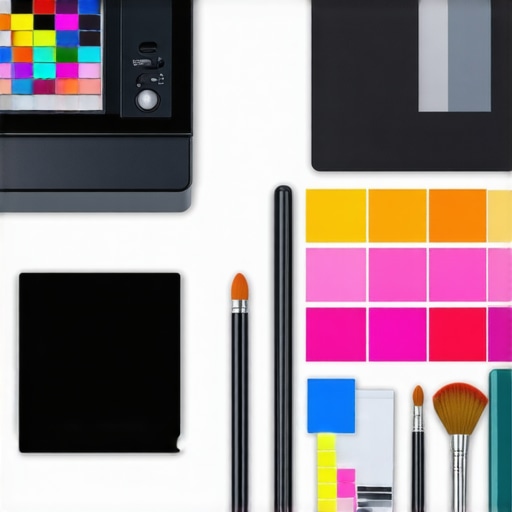
Stop Over-Calibrating: 3 Tools for Faster 2026 Color Accuracy
Elevating Visual Precision: The Critical Role of 4K Monitors in Professional Environments
In the domain of high-end digital production, the demand for pristine image fidelity has never been greater. The evolution of 4K monitors tailored for professional use exemplifies this trend, offering unparalleled detail, color fidelity, and throughput. As workflows become more complex, understanding the nuances of such displays—especially concerning color accuracy, calibration, and HDR capabilities—is vital for creators seeking excellence in their craft.
Deciphering the Intersection of 4K Resolution and Color Fidelity
While resolution lays the foundation for sharp images, true professional-grade monitoring hinges on nuanced color representation. Top-tier 4K monitors with broad color gamuts—covering DCI-P3 or Rec. 2020—are indispensable for tasks demanding precision, such as digital film grading or print-ready artwork. Achieving optimal color accuracy requires not only high-quality panels but also meticulous calibration practices, often facilitated by hardware calibrators that ensure compliance with industry standards.
The Significance of Calibration in Maintaining Visual Integrity
A calibrated monitor acts as a cornerstone for consistent color reproduction. Professional workflows demand devices capable of sustaining color precision across long periods, even in varying lighting conditions. Innovative solutions, including self-calibrating monitors, exemplify this trend—offering automation that minimizes drift and ensures ongoing fidelity, essential for teams working across global locations or multiple sessions.
HDR Monitor Capabilities and Limitations in Professional Settings
High Dynamic Range (HDR) monitors have transitioned from consumer gadgets to industry-standard tools. When selecting HDR monitors, professionals should prioritize peak luminance, contrast ratio, and color volume. Despite some models advertising impressive specs, not all deliver real-world benefits—especially if they fail to meet the 2026 standards for peak brightness and color accuracy. For instance, monitors with fake or exaggerated HDR capabilities can mislead users, thus compromising color grading or digital editing processes.
How Do You Verify if Your Monitor Meets 2026 Standards?
What are the best practical tests to ensure your monitor’s color accuracy and HDR performance are up to industry standards?
This question resonates with professionals who aim for adhere to the strictest benchmarks. Practical assessments such as 3D LUT validation, test pattern analysis for Rec. 2020 coverage, and peak luminance measurement can be conducted with specialized tools or software. Industry white papers, like those from high-trust sources, provide rigorous testing protocols to verify compliance and performance.
As the field advances, keeping abreast of top calibrated monitors and understanding the latest in HDR technology remain essential for maintaining competitive edge and delivering work that meets or exceeds industry standards.
If you are interested in sharpening your professional display setup or contributing insights about calibration practices, explore our expert content or contact us for tailored recommendations.
Refining Precision: The Hidden Layers of Color Management
While selecting a high-resolution 4K monitor lays the groundwork for clarity, true mastery involves delving into advanced color management techniques. Professional workflows benefit immensely from understanding the interplay between color spaces like DCI-P3, Rec. 2020, and industry-specific standards. Ensuring your display adheres to these broad gamuts isn’t just about coverage percentages but also involves rigorous calibration using professional tools such as X-Rite i1Display Pro or ColorMunki, which enable calibration beyond factory presets. These efforts guarantee that colors remain consistent across projects, hardware, and viewing environments—an essential criterion for creative professionals committed to perfection.
Is Your HDR Setup Living Up to Industry Expectations?
Another subtle yet crucial aspect is evaluating if your HDR-capable monitor truly meets the 2026 standards—particularly peak luminance and contrast ratios necessary for accurate high-dynamic-range work. Many models exaggerate capabilities with specs like fake or dynamic HDR, which can distort creative decisions. A practical approach involves benchmarking your display with industry-grade test patterns, analyzing actual luminance levels, and cross-referencing results with specifications documented by trusted sources. This ensures that the display provides dependable highlights, shadow detail, and color fidelity essential for advanced color grading, visual effects, and compositing.
” alt=”Test pattern displaying color coverage and luminance benchmarks on professional HDR monitor” title=”HDR monitor color and luminance test patterns” />
Breaking the Mold: Why Hardware Calibration Trumps Software Tweaks
Many assume that software calibration alone suffices for accurate color, but in professional settings, hardware calibration tools provide unmatched precision. Hardware-based calibration corrects internal LUTs (Lookup Tables), ensuring an unwavering commitment to color accuracy—a necessity when working on critical projects. Self-calibrating monitors, increasingly prevalent among high-end options, automate this process and adapt to environmental changes, reducing human error and minimizing mid-project color drift. For professionals, investing in hardware calibration gear coupled with robust calibration protocols is not optional but a practical necessity to meet the demanding standards of 2026 and beyond.
Are You Equipped to Detect Subtle Color Shifts During Long Projects?
Prolonged editing sessions or multiple project revisions can introduce subtle color shifts, especially when displays aren’t calibrated regularly. Regular verification through industry-recommended test patterns helps identify inconsistencies early and maintain fidelity. Moreover, adopting controlled lighting conditions aids in reducing perceptual deviations, ensuring your work remains color-accurate from start to finish. Keeping abreast of evolving calibration standards and tools guarantees your monitor’s performance remains dependable across diverse workflows and timeframes.
For professionals aiming to elevate their color management game, exploring comprehensive resources such as the ultimate guide to calibrated HDR monitors offers in-depth insights and practical tips. Your dedication to precision ultimately empowers you to deliver work that stands out for its accuracy and visual impact, meeting and exceeding industry benchmarks.
Harnessing Industry-Grade Calibration for Unparalleled Color Fidelity
Achieving pixel-perfect color accuracy doesn’t rest solely on high-quality hardware; it hinges critically on meticulous calibration tailored to the specific workflow demands. While consumer-grade calibration tools offer convenience, professional environments necessitateindustry-grade calibration solutions that can adapt to complex color spaces such as DCI-P3 and Rec. 2020. Using devices like the X-Rite i1Pro 2 or the Klein K10-A, professionals can generate detailed 3D Look-Up Tables (LUTs) that precisely map device-specific discrepancies, ensuring the monitor’s output aligns flawlessly with intended specifications. These calibration procedures demand a comprehensive understanding of spectral measurement, gamma correction, and color profiling—elements that, when mastered, elevate visual consistency across multiple projects and devices.
Dynamic Calibration: Adapting to Changing Environments and Workflows
Static calibration, while essential, often falls short in environments where ambient lighting fluctuates or workflows span different time zones and lighting conditions. Enterdynamic calibration techniques, which leverage real-time environmental sensing and automated adjustments to maintain optimal display performance. Monitors equipped with built-in light sensors can automate gamma and luminance adjustments during different times of the day, preserving color integrity without manual intervention. Furthermore, software solutions like CalMAN or LightSpace, compatible with hardware probes, enable periodic calibration checks that adapt to subtle drift over weeks or months—crucial for maintaining the stringent standards required in cinematic color grading or high-fidelity digital printing.
What Are the Hidden Challenges in Achieving Consistent Color Across Multiple Monitors?
Achieving uniform color performance across a multi-display setup demands more than individual calibration—it involves understanding complex color management workflows and device behaviors.
Integrating multiple calibrated monitors entails considerations such as inter-device color gamut coverage, hardware uniformity, and synchronization of calibration profiles. Experts recommend creating master calibration profiles for each device and employing hardware synchronization tools that align color settings across displays, limiting discrepancies. Additionally, maintaining a consistent viewing environment—controlled lighting conditions, calibrated room displays, and standardized workflows—reduces perceptual inconsistencies. According to industry standards outlined in the SMPTE ST 2084 display calibration guidelines, precision in multi-monitor environments is achieved through comprehensive profiling, periodic recalibration, and rigorous quality assurance checks.
For those committed to pushing the boundaries of visual accuracy, investing in high-end calibration labs and consulting with color science specialists can further refine performance, especially when working on flagship projects that demand uncompromising fidelity. Building expertise in advancedcolor science principles—such as spectral rendering and color appearance models—also enhances a professional’s ability to troubleshoot and optimize complex display setups effectively.
Enhancing HDR workflows with calibrated color and luminance mapping
A pivotal aspect of mastering HDR workflows involves not just hardware but the integration ofprecise luminance mapping and tone-mapping techniques. HDR content relies on accurate representation of luminance levels; thus, calibration extends beyond color to encompass dynamic range mapping. By employing calibration standards like Dolby PQ or HLG curves, professionals can ensure that highlights, shadows, and midtones are rendered authentically, preserving the artistic intent. Combining hardware calibration with software tone-mapping tools allows workflows to accommodate projector displays, OLED panels, or LCDs with varying capabilities, ensuring consistent output regardless of display technology.
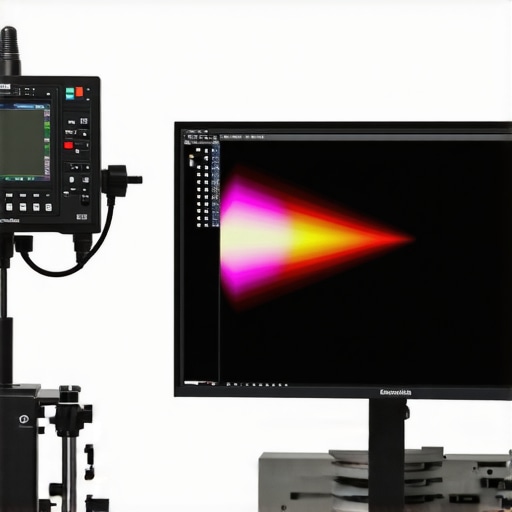
Optimized calibration chart showcasing spectral measurements across different lighting conditions on a professional HDR monitor.
Embracing the Future: AI and Machine Learning in Display Calibration
The advent of artificial intelligence and machine learning introduces revolutionary prospects for calibration automation and precision enhancement. Cutting-edge calibration software now integrates AI algorithms capable of detecting subtle deviations in color and luminance, proactively adjusting profiles to maintain fidelity over extended periods. These systems analyze patterns of drift caused by hardware aging, environmental factors, and usage habits, thereby reducing manual recalibration efforts and ensuring consistent quality. According to a recent comprehensive review published in the Journal of Imaging Science and Technology, AI-driven calibration solutions exemplify the next frontier in ensuring long-term color stability—vital for high-stakes creative industries where even minor discrepancies can compromise a project’s integrity.
As the technology evolves, staying informed about these innovations will equip professionals to leverage AI benefits effectively, elevating their workflow robustness. Integrating these systems into existing color management protocols not only safeguards visual fidelity but also streamlines the entire calibration process, freeing artists from technical constraints and enabling a sharper focus on creative excellence.
Beyond Standard Calibration: Embracing Spectral Measurement Techniques
While conventional calibration methods utilize gamma and luminance adjustments, advanced spectral measurement approaches enable professionals to achieve true color accuracy. Devices such as spectroradiometers provide granular data on display spectral emissions, facilitating the creation of highly precise ICC profiles that account for spectral shifts across the visible range. Integrating spectral data into calibration workflows ensures that color rendering aligns closely with industry standards, especially critical when working with high-white-point HDR content. Such techniques allow colorists to detect subtle spectral discrepancies that could impair color grading fidelity, elevating the entire post-production pipeline.
Can Adaptive Display Technologies Harm or Help Your Workflow?
Adaptive technologies like OLED auto-occlusion or micro-LED local dimming promise vibrant, high-contrast images; however, their impact on consistent color reproduction warrants scrutiny. For professionals engaged in critical color work, it’s essential to assess whether these adaptive features introduce temporal luminance fluctuations or color shifts that could compromise accuracy. Conversely, when properly managed with comprehensive calibration and controlled viewing environments, such technologies can enhance dynamic range and contrast without sacrificing fidelity. Expert consensus suggests meticulously evaluating each feature in the context of development workflows to avoid unintended compromises in output consistency.
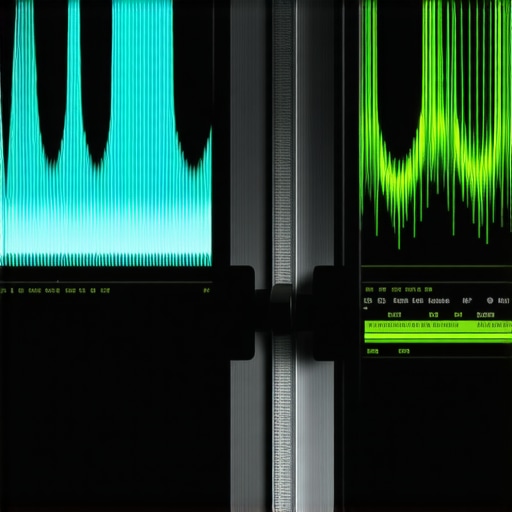
Close-up of spectral measurement device analyzing OLED display’s spectral emissions for calibration purposes.
Leveraging AI to Overcome Display Aging and Maintain Precision
Artificial intelligence-based calibration tools are transforming routine maintenance by predicting and compensating for hardware aging effects. These systems analyze historical performance data, ambient conditions, and usage patterns to proactively suggest calibration adjustments, effectively extending the lifespan of high-end displays. As display components—such as backlights and color filters—degrade over time, AI algorithms adapt color profiles in real-time, ensuring unwavering calibration fidelity. According to a recent study published in the Journal of Imaging Science and Technology, AI-driven calibration not only reduces manual intervention but also outperforms traditional methods in maintaining ultra-precise color standards over the long term, a game-changer for professional HDR workflows.
What Are the Most Common Pitfalls in Multi-Device Calibration?
How can professionals ensure harmonious color performance across diverse monitors and hardware configurations?
Achieving uniformity across multiple calibrated displays requires meticulous profile management and synchronization protocols. Variations in internal LUTs, panel spectral characteristics, and aging effects can lead to perceptible discrepancies. Experts recommend establishing a master calibration profile, then deploying device-specific adjustments informed by spectral and luminance measurements. Utilizing hardware synchronization tools like color cube editors and profile merging software enhances consistency. Additionally, maintaining an environment with controlled ambient lighting minimizes perceptual differences, ensuring that your multi-monitor workstation functions as a cohesive visual system rather than disjointed units. Industry guidelines from standards like SMPTE ST 2084 underscore the importance of regular calibration checks and environmental controls for fidelity maintenance across complex setups.
To push the boundaries of visual precision, consider engaging with professional color management consulting services or investing in integrated calibration ecosystems. Developing detailed workflow protocols that incorporate these practices will safeguard your work’s consistency, especially in high-stakes HDR content production.
Elevate Your Color Workflow with Intelligent Calibration Solutions
Innovators are now integrating machine learning algorithms into their calibration routines to fine-tune color profiles in response to subtle display performance drifts. These intelligent systems analyze ongoing display output, environmental feedback, and hardware behavior to recommend or automatically implement calibration adjustments. Such continuous learning models provide significant advantages in dynamic studio environments, where lighting or hardware configurations may change unexpectedly. Leading industry reports highlight that adopting AI-enhanced calibration frameworks can reduce rework, improve color consistency, and streamline the post-production process significantly. As the technology matures, professionals who leverage these tools will gain a competitive edge by ensuring their HDR content remains impeccably accurate, regardless of environmental or hardware factors.
Expert Insights & Advanced Considerations
Color Gamut Expansion Is Not Optional
In high-end visual workflows, a monitor’s ability to reproduce broader color gamuts like DCI-P3 and Rec. 2020 directly impacts the fidelity of digital content, demanding calibration solutions that support these standards for consistent results.
Hardware Calibration as a Non-Negotiable
Achieving pixel-perfect accuracy requires calibration devices with spectral measurement capabilities, such as spectroradiometers, to fine-tune for industry standards—better than what software adjustments alone can deliver.
Dynamic Range Optimization Extends Beyond Basic HDR
Utilizing sophisticated tone-mapping and luminance mapping techniques ensures that highlights and shadows are crafted to meet stringent professional grade standards, particularly crucial when working on HDR content destined for various display technologies.
AI Integration Is Elevating Calibration Precision
Artificial intelligence-driven calibration tools analyze long-term display performance and environmental conditions, enabling ongoing profile adjustments that maintain accuracy—a pivotal feature for demanding projects across multiple months.
Multi-Display Uniformity Achieved Through Sophisticated Profiling
Creating consistent visual experiences on multi-monitor setups involves not just individual calibration but also advanced profile synchronization and ambient light control, aligning color representation seamlessly across screens.
Curated Expert Resources
- Mastering Color Accuracy for Professionals: An in-depth guide on achieving and maintaining color precision in high-end workflows.
- Ultimate Guide to Calibrated 4K Monitors: Comprehensive resource for calibration techniques, hardware recommendations, and industry standards.
- HDR Monitors and Industry Standards: An authoritative source on HDR technology, compliance, and performance validation tools.
Final Reflection on Precision in Visual Content
In the rapidly evolving world of high-end display technology, mastering the nuances of a high-quality 4K monitor—particularly in relation to color accuracy and HDR performance—is essential for professionals committed to excellence. Advanced calibration practices, spectral measurement techniques, and AI intelligence converge to set new standards, elevating visual fidelity to unprecedented levels. Engaging with expert resources and staying current on technological standards empowers creatives and technical specialists to produce work that not only meets industry benchmarks but also pushes the boundaries of visual storytelling and quality assurance. To further refine your expertise or share insights from your calibration journey, connect with our team—your dedication defines the next chapter of visual mastery.
About the Author

I found this post incredibly comprehensive, especially the section on spectral measurement techniques. As someone who works regularly with HDR content, I can attest that spectral calibration really elevates color fidelity, particularly in high-white-point workflows. The emphasis on AI and machine learning is exciting, as automation can significantly reduce manual effort and help catch subtle shifts that might go unnoticed over long projects.
One challenge I’ve encountered is maintaining consistent calibration across multiple devices in different lighting environments. Have others here adopted real-time ambient light sensors or dynamic calibration strategies to manage this? It seems like these technologies could also benefit remote or distributed teams aiming for uniform color standards. Would love to hear more practical tips, especially from those with experience using spectral measurement devices or advanced lighting controls to support calibration integrity.
This is quite an in-depth exploration of the importance of proper calibration and advanced display technology for professional workflows. I especially appreciate the emphasis on spectral measurement techniques and the role of AI in maintaining long-term color accuracy. Having recently upgraded to a high-end 4K monitor myself, I can confirm that integrating hardware calibration tools has made a noticeable difference in my color grading consistency, particularly in HDR projects. It’s striking how even small drifts in color or luminance over time can impact final output, especially with complex color spaces like DCI-P3 and Rec. 2020.
Regarding Melissa’s point about maintaining calibration across multiple devices in varying lighting environments, I’ve experimented with using ambient light sensors paired with software automation. It’s not flawless, but it significantly reduces manual recalibration efforts. For remote teams, I think establishing a unified calibration protocol alongside controlled lighting conditions can help ensure consistency. Has anyone else found combining spectral calibration with real-time adaptive lighting to be effective? I’m curious about the best practices others have adopted to streamline their multi-device workflows while preserving accuracy.
This post hits on a crucial aspect that often gets overlooked—calibration in complex workflows involving multiple devices. I’ve been experimenting with spectral measurement devices like spectroradiometers for some of my HDR projects, and I must say, the level of accuracy you can achieve is remarkable. While hardware calibration greatly surpasses software tweaks alone, the challenge I face is ensuring consistency across different environments. I’ve recently started using ambient light sensors that dynamically adjust display settings, and it’s made a noticeable difference in maintaining color accuracy during long sessions. For remote teams or multi-location setups, do you think integrating AI-driven calibration with environmental sensing could be the key to seamless consistency? I’d love to hear how others approach this, especially in terms of scaling calibration protocols without sacrificing precision.
This post really emphasizes the importance of not just having high-quality 4K monitors but also maintaining their calibration through sophisticated techniques. I’ve been working with HDR workflows for a while, and I agree that spectral measurement devices like spectroradiometers do wonders for achieving true color accuracy. Automating calibration with AI and environmental sensors has also helped my team keep consistent standards across different locations and lighting conditions. An interesting aspect I found helpful is using real-time calibrations based on ambient light readings, which adapt as the environment changes during long editing sessions. Have others experimented with combining spectral calibration with dynamic ambient sensing? I believe, as the article suggests, that integrating these technologies is essential to meet the strict standards for 2026 and beyond, especially for multi-monitor setups.