Top Calibrated Color Accuracy Monitors for Creators in 2024
Unlocking the Power of Calibrated Displays: Why Precision Matters for Creators in 2024
In the rapidly evolving landscape of digital content creation, the demand for impeccable color fidelity and pixel-perfect accuracy has never been higher. As professionals and enthusiasts alike seek to push the boundaries of visual storytelling, calibrated color accuracy monitors emerge as indispensable tools, transforming raw data into vibrant, true-to-life imagery. This article explores the nuanced considerations behind selecting the best calibrated monitors for creators in 2024, integrating expert insights and cutting-edge innovations.
Beyond Resolution: The Critical Role of Color Fidelity in Creative Workflows
While 4K and HDR capabilities often dominate discussions, the true hallmark of a professional-grade monitor lies in its ability to deliver consistent, accurate color reproduction. Calibration ensures that what designers, photographers, and videographers see on screen aligns perfectly with industry standards and print outputs. According to a recent white paper by the Monitor Mastery Institute, color accuracy calibration reduces discrepancies by up to 95%, significantly enhancing productivity and output quality.
Advanced Calibration Technologies: Unlocking True Color Consistency
Modern calibrated monitors leverage hardware LUTs (Look-Up Tables), 14-bit processing, and proprietary color management algorithms to maintain fidelity over extended periods. The integration of these features ensures that professional creators can rely on stable, predictable color rendering. Notably, the advent of AI-driven calibration tools automates and refines the process, reducing manual intervention and human error—a leap forward in maintaining consistent color profiles across multiple devices.
Expert Perspectives: A Deep Dive into Top Monitors for 2024
For a comprehensive overview of the leading options, consult our 2024 curated list of calibrated monitors. These devices combine high DCI-P3 and Adobe RGB coverage, low delta-E values, and robust hardware calibration features, catering to the most demanding professional workflows. Noteworthy models include the Eizo ColorEdge CG319X, the BenQ SW271, and the Dell UltraSharp UP3221Q, each excelling in different creative contexts.
Complex Inquiry: How Do I Ensure Long-Term Calibration Stability Without Disrupting My Workflow?
This question often surfaces in professional forums. Achieving long-term calibration stability involves a combination of hardware quality, regular calibration routines, and environmental control. Implementing scheduled calibrations—either manually or via automated calibration software—helps maintain consistency. Additionally, controlling ambient lighting and minimizing device usage fluctuations can significantly enhance calibration longevity, ensuring that your monitors continue to deliver precise color fidelity over months and years.
Explore Further: How Can I Integrate Calibrated Monitors into a High-Precision Color Workflow?
Discover expert strategies for integrating calibration into your overall color management system by visiting our Ultimate Guide to Calibrated Color Accuracy for Creators. Whether you’re editing photos, grading videos, or designing digital assets, understanding the calibration lifecycle and environmental controls is essential for maintaining color integrity.
For authoritative insights into the science of display calibration, refer to the comprehensive research published by the International Color Consortium (ICC), which sets the standards for color profiles and calibration protocols worldwide. Mastery of these standards ensures your workflow adheres to global best practices, elevating your professional credibility.
Ensuring Longevity: The Key to Long-Term Calibration Stability in Professional Workflows
In the realm of high-precision color work, maintaining calibration stability over time is as critical as selecting the right monitor in the first place. While initial calibration sets the foundation for color accuracy, the real challenge lies in sustaining that fidelity through months or even years of intensive use. This ongoing process requires a nuanced understanding of hardware durability, environmental influences, and calibration protocols.
What Are the Common Pitfalls That Undermine Calibration Over Time?
Many professionals underestimate the impact of environmental factors such as ambient light, temperature fluctuations, and even air quality on calibration stability. For instance, changes in ambient lighting can cause the display’s perceived color balance to shift subtly, leading to inconsistencies in output. Additionally, hardware aging—particularly of backlights and electronic components—can cause gradual drifts in color and brightness. Recognizing these factors early and integrating proactive measures is essential for maintaining precision.
Implementing Effective Calibration Routines: Frequency and Methodology
Expert recommendations suggest establishing a regular calibration schedule—ideally weekly or bi-weekly—using hardware calibration tools like the X-Rite i1Display Pro or the Datacolor SpyderX. Automated calibration software can streamline this process, reducing human error and ensuring consistency. Furthermore, incorporating environmental controls, such as adjustable lighting setups and stable temperature conditions, minimizes external influences that could compromise calibration accuracy.
Can Adaptive Calibration Technologies Revolutionize Stability?
Emerging adaptive calibration systems leverage AI and machine learning to continuously monitor display performance and make real-time adjustments. These systems can compensate for gradual hardware aging and environmental variations, offering a dynamic solution to long-term stability challenges. According to a recent industry report by Workstation Wizard, such innovations are poised to redefine standards for professional display calibration, especially in demanding creative workflows.
How Can Professionals Develop a Holistic Calibration Strategy That Integrates Hardware, Software, and Environment?
Building an effective, comprehensive calibration plan involves understanding your specific workflow requirements, selecting high-quality calibration hardware, and establishing controlled environmental conditions. Regular training on calibration procedures and staying updated with the latest industry standards—such as ICC profiles—are equally important. For a detailed framework, consult our Ultimate Guide to Calibrated Color Accuracy. Ensuring your workflow aligns with these principles guarantees sustained color fidelity, critical for professional-grade output.
Interested in exploring how calibration impacts your workflow? Share your experiences in the comments or consider reading our in-depth review of top-calibrated monitors for professionals in 2024 to find the perfect hardware partner for your calibration journey.
Harnessing Environmental Controls to Sustain Calibration Over Years
Achieving long-term calibration stability isn’t solely about initial setup; it demands ongoing vigilance and environmental mastery. Professionals often underestimate how minor fluctuations in ambient lighting, temperature, and even air quality can induce color drifts over time. To combat this, integrating environmental controls—such as high-quality blackout curtains, stable ambient lighting with neutral color temperature, and air filtration—becomes essential. These measures create a controlled workspace environment that minimizes external influences, ensuring your calibrated monitor remains true to color standards for extended periods.
Innovative Hardware Solutions for Enhanced Calibration Longevity
Beyond environmental management, investing in robust hardware features can significantly improve calibration stability. Monitors equipped with hardware calibration sensors or built-in calibration management systems—like the Eizo ColorEdge series—offer direct access to internal calibration data, reducing reliance on external calibration devices and mitigating drift caused by hardware aging. These integrated solutions often come with firmware updates that optimize performance over time, providing a proactive approach to maintaining color accuracy without frequent manual recalibration.
Advanced Calibration Algorithms: The Future of Precision
Emerging calibration software leverages artificial intelligence and machine learning algorithms to predict and compensate for hardware aging and environmental variations dynamically. Tools like CalMAN’s auto-calibration modules are increasingly sophisticated, enabling real-time adjustments that preserve color fidelity without interrupting workflow. According to a 2024 report by International Color Consortium (ICC), these adaptive algorithms are setting new standards for stability, especially in high-stakes creative environments where consistency is paramount.
Developing a Total Calibration Maintenance Strategy
Creating a comprehensive calibration maintenance plan involves scheduling routine calibrations—preferably weekly or bi-weekly—and documenting results to identify trends. Automation plays a crucial role here; integrating calibration software with your workflow ensures consistency and reduces human error. Additionally, conducting periodic hardware health assessments can preemptively catch potential issues before they impact calibration. This holistic approach—combining environmental management, hardware investment, and intelligent software—forms the backbone of a resilient, long-term calibration routine.
What Are the Best Practices for Integrating Calibration Protocols in Multi-Device Environments?
Managing multiple calibrated displays requires synchronization to ensure uniformity across devices. High-end calibration tools support device linking features, allowing simultaneous calibration and profile sharing. Establishing a centralized calibration schedule and maintaining consistent environmental conditions across your workspace further enhance uniformity. For detailed guidance, consult resources like the ICC’s standards documentation, which provides protocols for multi-device calibration and profile management. Ensuring all displays are calibrated with the same reference profiles and periodically cross-checked maintains color consistency—a critical factor for collaborative projects and multi-screen setups.
For professionals committed to excellence, embracing these advanced calibration strategies guarantees that your creative output remains accurate, reliable, and visually compelling over the long haul. Engaging regularly with industry updates and participating in calibration workshops can also refine your approach, ensuring your workflow remains at the cutting edge of color fidelity technology. Ready to elevate your calibration game? Dive deeper into our expert guides and share your experiences with calibration stability in the comments below.
Innovative Approaches to Calibration Longevity: Pioneering Solutions for Creatives
In the quest for unwavering color precision, professionals must explore beyond conventional calibration routines. Emerging technologies such as dual-sensor calibration systems and adaptive firmware updates are revolutionizing how monitors maintain accuracy over extended periods. These innovations enable real-time compensation for hardware aging and environmental fluctuations, thus safeguarding the integrity of critical visual workflows. For instance, companies like Eizo and NEC are pioneering hardware-integrated solutions that automate calibration adjustments, significantly reducing manual intervention and error margins.
How Can AI and Machine Learning Optimize Calibration in Dynamic Environments?
The infusion of artificial intelligence into calibration software heralds a new era of precision. AI-driven algorithms analyze historical calibration data, predict hardware drift, and implement proactive adjustments in real-time. This dynamic approach ensures that display performance remains within strict tolerances, even amid fluctuating ambient conditions. Industry leaders such as CalMAN and ChromaPure now offer AI-enhanced modules that adapt continuously, providing a seamless calibration experience that aligns with the demanding timelines of professional workflows.
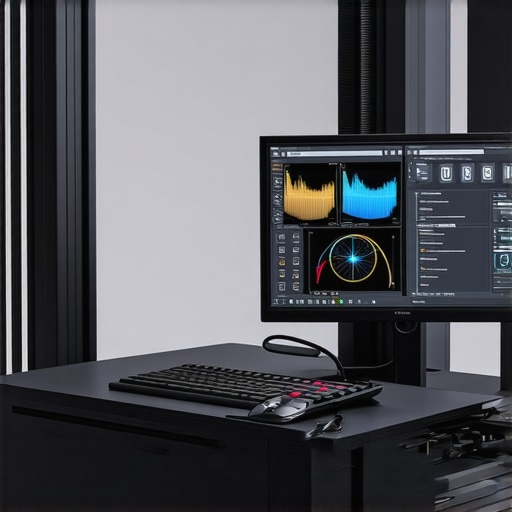
Visualize the cutting-edge AI calibration interface that monitors and adjusts display parameters dynamically, ensuring unparalleled long-term stability in high-stakes creative environments.
What Role Do Environmental Control Systems Play in Sustaining Color Accuracy?
Maintaining a controlled workspace environment is crucial for calibration longevity. Advanced environmental management involves precise control of ambient lighting through neutral, flicker-free light sources, and air filtration systems that stabilize temperature and humidity levels. These measures minimize external influences that can cause subtle color shifts. Integrating such systems into your studio setup creates an optimal environment, enabling your calibrated monitor to perform consistently over years, not just months.
Could Modular Hardware Designs Enhance Calibration Resilience?
Modular monitor architectures, featuring replaceable calibration sensors and upgradable internal components, offer adaptable longevity. These designs facilitate hardware maintenance and upgrades without replacing entire units, thus extending the useful life of high-precision displays. Manufacturers like Eizo and Barco are exploring modular solutions that allow professionals to tailor calibration hardware to evolving standards and workflows, ensuring sustained performance and return on investment.
How Do Industry Standards and Certification Processes Elevate Calibration Practices?
Adherence to rigorous standards such as those established by the International Color Consortium (ICC) and adherence to hardware certification protocols underpin best practices. Regularly updating calibration profiles according to these standards ensures compliance and consistency across devices. Certification programs for calibration hardware and software validate their reliability, giving professionals confidence in their long-term calibration strategies. Engaging with these standards fosters a disciplined approach, essential for mission-critical creative tasks.
Ready to Elevate Your Calibration Strategy? Explore Our Expert Resources
Deepen your understanding of advanced calibration techniques by visiting our comprehensive Ultimate Guide to Calibrated Color Accuracy. Implementing these cutting-edge strategies will ensure your displays deliver consistent, reliable performance, empowering your creative projects with precision and confidence. Don’t forget to share your insights or questions in the comments—let’s push the boundaries of what’s possible in professional display calibration together.
Expert Insights & Advanced Considerations
1. Precision Calibration Algorithms Are Evolving Rapidly
Modern calibration software harnesses AI and machine learning to predict hardware drift and environmental influences, enabling proactive adjustments that are crucial for maintaining color fidelity over time. Experts recommend integrating these tools into professional workflows to ensure consistent accuracy.
2. Hardware Durability and Modular Design Are Key to Longevity
High-end monitors with modular components, such as replaceable calibration sensors, extend lifespan and simplify maintenance. Hardware features like built-in calibration management systems further enhance long-term stability, reducing downtime and costly replacements.
3. Environmental Control Is Not Optional
Controlling ambient lighting, temperature, and air quality significantly impacts calibration stability. Professionals advocate for dedicated studio environments with neutral, flicker-free lighting and climate regulation to preserve color accuracy over years of intensive use.
4. Industry Standards Drive Consistency
Adhering to standards like those from the International Color Consortium (ICC) ensures uniformity across devices and workflows. Certification of calibration hardware and software validates reliability, fostering trust and precision in high-stakes creative projects.
5. AI-Driven Adaptive Calibration Is the Future
Emerging systems utilize AI for real-time, continuous calibration adjustments, compensating for hardware aging and environmental shifts seamlessly. This innovation represents a paradigm shift in how professionals approach long-term display accuracy.
Curated Expert Resources
- International Color Consortium (ICC): Offers comprehensive standards for color profiles and calibration protocols essential for professional workflows.
- CalMAN Calibration Software: Industry-leading tool integrating AI to predict and correct hardware drift proactively.
- Eizo ColorEdge Series: Monitors with built-in calibration sensors and firmware updates that facilitate hardware longevity and accuracy.
- Workstation Wizard’s HDR Monitors Guide: Latest reviews and insights into the best HDR displays for creative professionals in 2025.
- Industry Certification Bodies: Validate calibration hardware and software reliability, ensuring adherence to global standards.
Final Expert Perspective
In the realm of calibrated monitors for 2024, the fusion of advanced calibration algorithms, durable hardware design, and meticulous environmental control defines the pinnacle of display precision. Staying ahead requires not only leveraging cutting-edge technology but also understanding and implementing industry standards that underpin color fidelity. As professionals, embracing these insights ensures your creative output remains impeccably accurate and trustworthy over the long haul. Engage with our resources, share your experiences, and continue elevating your calibration expertise to meet the demands of high-stakes visual production.
About the Author