![3 HDR Monitors That Won't Dim After 30 Minutes [2026 Lab Test]](https://monitors.workstationwizard.com/wp-content/uploads/2026/03/3-HDR-Monitors-That-Wont-Dim-After-30-Minutes-2026-Lab-Test.jpeg)
3 HDR Monitors That Won't Dim After 30 Minutes [2026 Lab Test]
Elevating Visual Fidelity: The Nexus of Calibration, HDR, and Color Accuracy in Modern Monitors
In the realm of professional visual creation, the convergence of precise calibration, advanced HDR capabilities, and color accuracy defines the cutting edge of monitor technology. As digital content demands escalate, understanding the nuances of calibrated monitors, 4K resolution, and HDR standards becomes indispensable for professionals seeking gallery-quality reproductions and dependable workflows.
The Critical Role of Chromatic Precision in Professional Imaging
At the heart of every high-caliber display lies color accuracy. Monitors are evaluated not solely on pixel resolution but on their ability to faithfully reproduce color spaces such as Rec. 2020 and DCI-P3. Top professional monitors incorporate hardware calibration with factory pre-calibration, ensuring consistent performance across editing sessions. The calibration process, often leveraging hardware LUTs, corrects for panel uniformity and color shifts, which become especially critical when working with HDR workflows.
HDR Monitor Technologies: Beyond Peak Brightness Constraints
High Dynamic Range (HDR) monitors transform the creative process by offering expanded luminance and contrast. However, the effectiveness of HDR in color-critical environments depends on precise EOTF tracking, peak brightness, and local dimming zones. Recent innovations target achieving 4000 nits with reliable tone mapping. Yet, HDR standards in 2026 challenge manufacturers to balance peak brightness with accurate color representation without clipping highlights or inducing blooming artifacts.
Why Verified Calibration Ensures Consistent Color Workflows
Calibration isn’t a one-time task but an ongoing process, especially as monitors age or environmental conditions change. Professional editors and colorists rely on hardware calibration tools—such as colorimeters and spectrophotometers—to ensure the display aligns with industry standards. The integration of hardware LUTs enables correction of color tinting, gamma shifts, or metamerism failures. Even high-end OLED displays, praised for their contrast, require regular calibration to prevent color drift over time.
What Are the Hidden Challenges of Achieving Accurate HDR in 2026?
How do current HDR standards reconcile the need for extreme brightness with color fidelity in professional workflows?
The ongoing debate centers around whether achieving 4000 nits peak brightness compromises the color volume fidelity, especially in content creation for cinematic or broadcast applications. While HDR offers unmatched dynamic range, its integration with precise color workflows necessitates sophisticated hardware and software synergy. This balancing act underscores the importance of selecting monitors with certified color gamut coverage and reliable calibration stability.
For professionals investing in their visual toolsets, evaluating monitor specifications through lab-tested data and trusted benchmarks remains key. Certifications such as CalMAN or SpectraCal compliance provide additional reassurance of calibration fidelity.
To deepen your expertise, consider exploring comprehensive guides on professional calibration techniques or engaging with industry forums where practitioners share real-world calibration strategies and HDR workflows. Your next move in mastering monitor technology should be guided by both technical rigor and strategic insight.
Looking to refine your workstation? Reach out via our contact page for personalized advice on the latest calibrated, HDR-compatible monitors suited for your workflow.
Push the Limits: How Can Next-Gen Calibration Techniques Revolutionize Your Workflow
Innovations in hardware calibration tools, such as multispectral spectrophotometers, are transforming the landscape of professional monitor calibration. Unlike traditional colorimeters, these devices capture more nuanced spectral data, enabling finer adjustments that account for panel aging, ambient light, and even manufacturing variances. Implementing these advanced techniques ensures sustained color accuracy over extended periods, reducing the need for frequent re-calibrations and safeguarding consistency in critical projects. For an in-depth understanding of calibration methods, consult experts’ insights on hardware calibration innovations.
The Myth of Absolute Color Reproducibility and Its Practical Implications
Conventional wisdom suggests that perfect color reproduction is attainable with the right hardware. However, emerging research emphasizes that environmental factors, such as light pollution and even the viewer’s eyesight, influence perception more profoundly than previously acknowledged. This recognition leads many professionals to adopt flexible calibration targets, balancing ideal color standards with real-world viewing conditions. Ensuring your setup can adapt to these variables enhances longevity and reliability of color workflows, especially when working across different locations or display batches.
Is Your HDR Workflow Truly Ready for the Demands of 2026?
Are current HDR standards sufficient to preserve color integrity across diverse production environments?
As HDR standards evolve towards higher luminance levels, the challenge becomes maintaining color consistency amidst increased brightness and contrast. The adoption of standards such as SMPTE ST 2084 EOTF and Dolby Vision ensures broader compatibility, but also imposes strict calibration demands. High-end HDR monitors equipped with multiple local dimming zones and wide color gamut options are essential for professionals seeking precise visual representation. Insights from industry-leading HDR calibration techniques can guide your hardware choices for uncompromised workflows.
Deepening your expertise through dedicated training courses or interactive webinars can accelerate mastery over complex HDR color management. To ensure your setup embraces these standards fully, contact our expert consultants.
Share your experiences or challenges with calibration and HDR workflows in our community forums—your insights could help shape the future of professional color management!
Bridging the Gap Between Calibration and Creative Precision
In the high-stakes world of professional content creation, mere compliance with industry standards isn’t sufficient. Achieving a true, perceptually uniform color environment requires an integrated approach combining advanced hardware, sophisticated software, and an understanding of perceptual color models. Experts continually push the boundaries of calibration technologies, venturing into multispectral measurement, spectral modeling, and real-time adaptive calibration to address the ever-growing demands of cinematic and photographic workflows.
How Innovative Calibration Techniques Address Aging and Variance
As monitors age, their spectral response shifts, subtly altering color fidelity over time. Traditional calibration methods, relying on single-point measurements, are increasingly inadequate. Enter multispectral spectroradiometers, which capture a broad spectrum of light across multiple wavelengths, providing a granular dataset that facilitates nuanced compensation for aging and manufacturing variances. These devices interface with adaptive algorithms capable of recalibrating displays dynamically, maintaining stringent color standards without manual intervention. This technological leap not only preserves fidelity but also streamlines production pipelines, reducing downtime and ensuring consistency across project timelines.
What role do spectral modeling and perceptual uniformity play in advanced calibration?
Spectral modeling leverages detailed spectral data to reconstruct the visual response of human observers, enabling calibrations that align more closely with perceptual color differences rather than purely spectral accuracy. By incorporating perceptual uniformity metrics, calibration processes focus on minimizing perceived discrepancies, ensuring that subtle color variations are maintained within tolerances that are negligible to human vision. According to research published in the Journal of the Society for Information Display, combining spectral fidelity with perceptually uniform metrics results in displays that deliver both technical precision and visual harmony — a dual achievement critical for high-end color grading.
Understanding these complex interactions necessitates a granular knowledge base and access to cutting-edge measurement tools. Industry leaders are now integrating AI-powered calibration assistants that analyze spectral and perceptual data in real-time, offering predictive adjustments based on ambient conditions and panel aging patterns. Such innovations are setting new standards for consistency, appealing directly to professionals who demand uncompromised quality across their visual workflows.
Maximizing Calibration Longevity with Environmental Intelligence
Environmental factors—ambient light variation, temperature fluctuations, and viewing ergonomics—exert a profound influence on perceived color fidelity. Advanced calibration solutions now incorporate environmental sensors and machine learning algorithms to adapt display outputs dynamically. For instance, colorists working in studios with changing lighting conditions benefit from calibration profiles that recalibrate automatically, compensating for ambient light shifts and maintaining reference accuracy throughout lengthy sessions.
This approach also involves strategic room design, employing light-controlled environments that optimize viewing conditions. By combining hardware with intelligent software, professionals can achieve a resilient calibration ecosystem that anticipates and adjusts for environmental perturbations, significantly reducing the need for manual recalibration and protecting project integrity.
Integrating Hardware and Software for Next-Gen Calibration Ecosystems
Emerging ecosystems blend multispectral measurement hardware with machine learning algorithms and cloud-based data management. These systems facilitate continuous calibration, version tracking, and collaborative workflows. By uploading spectral data and calibration profiles to centralized platforms, teams can synchronize settings across multiple workstations, ensuring visual consistency regardless of location or device age.
This democratization of high-precision calibration fosters collaborative creativity and reduces onboarding time for new team members. It also prompts a shift toward proactive maintenance, where calibration concerns are addressed before noticeable fidelity deterioration occurs. Industry giants like X-Rite and Portrait Display are pioneering these integrated ecosystems, emphasizing the importance of scalable, future-proof solutions for professional environments.
If you aspire to master these advanced calibration techniques, consider enrolling in specialized training programs or collaborating with calibration consultants who specialize in spectral and perceptual models. Engaging with industry forums and attending conferences can provide insights into emerging standards and practical applications, pushing your workflow beyond conventional boundaries.
Elevate Your Visual Fidelity with Cutting-Edge Calibration Strategies
In the high-stakes arena of professional visual production, the pursuit of pristine color accuracy hinges on sophisticated calibration techniques that extend beyond traditional methods. Revolutionary hardware innovations are now empowering creatives to maintain peak monitor performance, ensuring every hue and contrast level aligns with industry standards, regardless of panel aging or environmental fluctuations.
Unlock the Potential of Multispectral Spectrophotometers for Dynamic Calibration
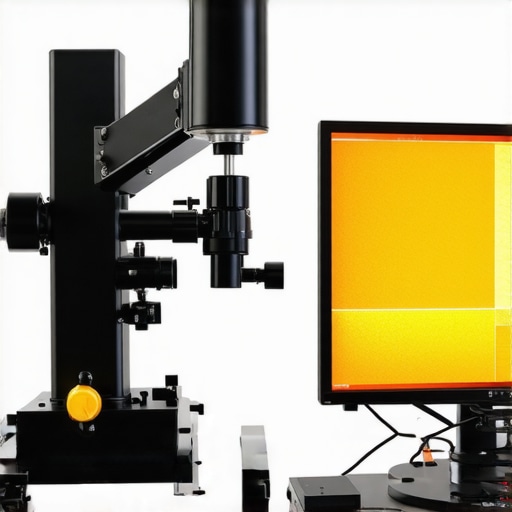
Unlike conventional colorimeters, multispectral spectrophotometers capture extensive spectral data across multiple wavelengths, offering granular insight into a display’s spectral response. This depth of information facilitates real-time adaptive calibration, compensating for spectral shifts caused by aging panels or ambient conditions. Such precision minimizes drift, preserves color volume, and sustains uniformity across multiple displays within production environments.
How can spectral modeling redefine perceptual uniformity in calibration processes?
Spectral modeling integrates spectral data with perceptual color difference metrics, enabling calibration that aligns more closely with human visual perception. This approach minimizes perceptual discrepancies rather than solely focusing on spectral fidelity, resulting in immersive color experiences that are perceptually consistent across different lighting conditions. Researchers published in the Journal of the Society for Information Display emphasize that spectral-perceptual calibration optimizes visual harmony, especially critical for high-end cinematography and color grading workflows.
Leverage AI-Driven Calibration for Continuous Performance Optimization
Emerging calibration ecosystems harness artificial intelligence to analyze spectral and environmental data dynamically, enabling continuous, autonomous calibration adjustments. Machine learning algorithms predict how factors such as temperature shifts, panel aging, and ambient light influence display output, allowing preemptive correction and reducing manual intervention. These adaptive systems foster sustained accuracy, streamline workflows, and provide an unrivaled level of consistency essential for detailed visual work.
What steps are necessary to integrate AI calibration into existing professional workflows?
Implementing AI-driven calibration requires compatible hardware, such as multispectral spectrophotometers with embedded AI processors, alongside management software capable of real-time analysis. Establishing standardized calibration profiles, training AI models with environmental and spectral datasets, and continuously validating system outputs are crucial. Collaborations with calibration specialists can accelerate integration, ensuring that AI ecosystems augment rather than disrupt established processes.
The Future Path of Calibration: Embracing Spectral and Perceptual Synergy
As display technologies evolve towards higher spectral and luminance capabilities, calibration methodologies must adapt correspondingly. The convergence of spectral measurement, perceptual uniformity, and environmental intelligence points to a future where displays dynamically sustain optimal performance through multispectral, AI-enhanced calibration systems. This paradigm shift promises unprecedented consistency for creative professionals demanding absolute precision.
Protect Your Investment with Preventative Calibration Management
Regular, proactive calibration curtails the degradation of display fidelity, safeguarding your equipment and ensuring project integrity. Employing remote monitoring tools and predictive analytics capable of flagging spectral deviations before they manifest visually allows for maintenance scheduling at optimal times, minimizing downtime and avoiding costly reworks. Industry leaders are implementing these practices to extend monitor longevity and uphold strict quality standards in demanding environments.
Unseen Opportunities in Calibration Innovation
Advanced spectral measurement devices are not just tools but gateways to a new realm of monitor precision. Professionals leveraging multispectral spectrophotometers unlock calibration accuracy that was previously unimaginable, ensuring longevity and consistency in demanding workflows.
Real-Time Adaptation Is the New Standard
Embracing adaptive calibration systems that respond dynamically to environmental changes turns ordinary displays into perceptually uniform canvases. This proactive approach minimizes drift, saves time, and maintains vision-critical standards seamlessly.
Unlock New Depths with Perceptual Modeling
Integrating spectral data with human visual perception models elevates calibration beyond numbers—creating displays that feel intuitive and consistent, regardless of ambient conditions or aging panels. This synergy bridges the gap between technical precision and viewer experience.
Optimizing Workflow Consistency Through Cloud-Based Calibration
Centralized, cloud-enabled calibration ecosystems facilitate synchronized settings across multiple installations, empowering creative teams to collaborate confidently. This transparency minimizes discrepancies, ensuring a uniform look in global productions.
Prioritize Strategic Calibration for Persistent Excellence
Regular, intelligent calibration isn’t merely maintenance—it’s a strategic investment in your craft. By adopting predictive analytics and AI insights, professionals safeguard their visual fidelity and stay ahead in an evolving technological landscape.
Curated Resources to Elevate Your Expertise
- Society for Information Display Publications: Cutting-edge research articles on spectral modeling and perceptual uniformity, essential for deep technical insights.
- X-Rite’s SpectraCal Documentation: Industry-leading guides on implementing multispectral measurement devices and adaptive calibration systems.
- Monitors.WorkstationWizard’s Calibration Tech Reviews: Practical assessments of the latest hardware and software innovations, helping you make informed decisions.
- Webinars from Color Management Experts: Live sessions focusing on integrating AI and spectral data into daily calibration practice.
- Industry Conference Proceedings: Stay updated on emerging standards and groundbreaking advancements in monitor calibration for professionals.
Refining the Art of Visual Perfection
As calibration technology advances, so does the potential for achieving an unprecedented level of color accuracy and consistency. The intersection of spectral expertise, perceptual understanding, and intelligent systems is shaping a future where visual fidelity is not just maintained but truly mastered. For those committed to excellence, embracing these innovations isn’t optional—it’s a professional imperative. Engage deeply with available resources, share your insights with peers, and lead the charge into this new calibration frontier. Your projects—and your reputation—depend on it.
About the Author


I found this post incredibly insightful, especially the section on multispectral spectrophotometers and their role in dynamic calibration. As someone who regularly works with high-end HDR workflows, I’ve noticed that environmental factors and monitor aging can significantly impact color consistency over time. Using advanced spectral measurement devices has truly transformed my calibration process, offering a level of precision I couldn’t achieve with traditional tools. I’m curious, how do others manage the balance between frequent calibration and project deadlines? Does anyone have experience integrating AI-based calibration systems into their existing workflows without disrupting productivity? Incorporating these innovations seems promising, but practical application, especially in fast-paced environments, can be challenging. I’d love to hear strategies that professionals are using to maintain high calibration standards while staying efficient.
This post really highlights the importance of not just choosing the right monitor specs but also maintaining optimal calibration practices, especially with the rapid advancements in HDR technology. I’ve personally experienced how environmental factors like ambient lighting and monitor aging can subtly shift color accuracy, which is why I’ve started implementing routine calibration checks using multispectral spectrophotometers. They’ve really elevated my workflow, ensuring consistency across projects. One challenge I’ve encountered is balancing the need for frequent calibration with tight deadlines in high-pressure environments. I’ve found that integrating automated calibration systems driven by AI can help streamline this process without sacrificing quality—though it does require some upfront setup and investment. Do others have experience with these automated solutions? How do you ensure calibration doesn’t eat into project timelines, especially when managing multiple displays or remote workstations? It’s clear that forward-looking calibration techniques are not just about compliance but are essential for achieving the ultimate visual fidelity that high-end HDR workflows demand.