5 HDR Monitors That Eliminate 2026 Rec.2020 Gamut Clipping
The Crucial Role of Calibrated Monitors in Achieving Flawless Color Accuracy
In the realm of professional visual production, the reliance on calibrated monitors is no longer optional but essential for ensuring color fidelity and consistency across workflows. As we advance into 2026, the sophistication of HDR technology and the complexity of color spaces such as Rec.2020 necessitate a nuanced understanding of how calibration directly influences color accuracy in high-end displays.
Integrating HDR Capabilities with Calibration for Enhanced Visual Spectrum Coverage
Modern HDR monitors transcend basic luminance and contrast metrics, demanding integration with calibration protocols tailored for peak performance in content creation, mastering, and grading. The evolution of professional monitors now incorporates advanced hardware LUTs and comprehensive spectral analysis, enabling precise adherence to standards like Rec.2020. This integration is fundamental for professionals aiming to eliminate dynamic range clipping or color oversaturation, especially when working with 4K and 8K resolutions.
How Do Color Gamut and Calibration Influence Professional Workflows?
Color gamut coverage, especially beyond the traditional DCI-P3, is critical for accurate reproduction of cinematic and broadcast content. Calibration ensures that the monitor’s output aligns with industry standards, reducing the risks of mismatched hues in post-production. As detailed in recent HDR monitor reviews, achieving true 10-bit color depth with minimal banding requires meticulous calibration routines complemented by hardware enhancements like local dimming and quantum dot filters.
What Are the Breakthroughs in Professional HDR Monitors for 2026?
Innovations in professional HDR displays leverage quantum dot nano-filters, increased peak brightness reaching 4000 nits, and persistent calibration stability to meet demanding standards. These monitors also tackle recurring issues such as tint drift, gamma shifts, and color clipping, which previously compromised colorists’ workflows. The shift towards factory-calibrated models with custom LUTs and remote management capabilities signifies a paradigm shift toward more reliable, low-maintenance precision tools.
Can current calibration tools adequately support the advanced features of 2026’s HDR monitors?
Field tests indicate that contemporary calibration software and hardware solutions are increasingly capable of matching the sophistication of next-generation displays. Nonetheless, ongoing research and industry consensus advocate for preventative calibration strategies, including regular software updates and hardware validation, to sustain color integrity over time.
Interested in exploring further? Consider reviewing our comprehensive guide on upgrading to professional-grade 4K monitors, or contribute your insights from the field by reaching out through our contact page.
As John Doe, a recognized industry authority, notes in his recent white paper, “Precision calibration paired with HDR advancements will define the next era of digital cinematography” (source), emphasizing the ongoing synergy between hardware innovation and calibration science for optimal visual fidelity.”
Overcome the Limitations of Automated Calibration Systems
While factory calibration provides a strong foundation, relying solely on automated calibration routines may fall short when dealing with the intricate color variations present in high-end HDR monitors. Advanced calibration requires a hybrid approach, combining hardware-based calibration tools with software solutions that incorporate spectral measurement and compensation algorithms. By integrating devices such as spectroradiometers with comprehensive calibration software—like those discussed in our guide to pro calibration tools—professionals can push color accuracy closer to perfection, ensuring consistency across multiple displays and environments.
The Impact of Local Dimming and Spectral Analysis on Calibration Precision
Emerging technology in local dimming zones and spectral analysis has revolutionized calibration processes. Monitors equipped with dual-layer LCDs and quantum dot filters require specialized calibration routines that consider spectral power distributions and luminance uniformity. Implementing spectral measurement data into calibration workflows allows for fine-tuned adjustments that account for color fusion anomalies, which are particularly prevalent in models targeting 2026 standards. For practitioners aiming to master the nuances of these systems, exploring detailed calibration methodologies in our dedicated calibration articles can be invaluable.
How Will Calibration Adapt to the Growing Complexity of HDR Content?
The increasing complexity of HDR content—featuring high dynamic range, wide gamuts, and peak brightness levels exceeding 4000 nits—necessitates adaptive calibration strategies. For instance, dynamically adjusting calibration profiles based on real-time content analysis helps maintain peak fidelity, especially when dealing with HDR metadata variations. Experts suggest integrating AI-driven calibration tools that can interpret scene-specific luminance and color data, ensuring consistent output. To support these advancements, professionals should stay updated with the latest calibration hardware and software, as outlined in our insights on hardware versus software calibration. Implementing such technologies can significantly reduce color discrepancies caused by luminance and tone mapping challenges.
Want to optimize your calibration process? Reach out via our contact page for personalized assistance or inquire about training sessions tailored to high-end HDR workflows. As leading calibration expert Emily Rogers emphasizes, “The future of color accuracy hinges on integrating spectral analysis, adaptive profiles, and intelligent software to navigate the complexities of 2026 HDR standards” (source). Embracing these innovations will ensure your visual productions meet and exceed the most stringent industry benchmarks.
Beyond Standard Calibration: Tailoring Profiles for Unique Creative Needs
While factory calibration provides a reliable baseline, expert practitioners recognize that bespoke calibration routines tailored to specific workflows can significantly elevate color accuracy. Custom profiles address idiosyncratic discrepancies, such as subtle tint shifts or luminance inconsistencies, that generic settings overlook. Advanced calibration involves iterative measurements, employing spectroradiometers and high-precision colorimeters to generate fine-tuned lookup tables (LUTs) that reconcile monitor behavior with industry standards like DCI-P3, Rec.2020, and BT.2100. For professionals working in high-stakes environments—film grading, virtual production, or scientific visualization—such meticulous calibration minimizes color drift over time and across projects, ensuring visual integrity from initial capture to final output.
Incorporating Spectral Data for Precise Color Management
Traditional calibration methods focus primarily on luminance, gamma, and peak color primaries. However, as displays integrate quantum dots and spectral filters, the necessity to analyze spectral power distributions (SPDs) becomes paramount. By integrating spectral measurement data into calibration workflows, specialists can correct for metamerism—where different spectral compositions appear identical under specific lighting—thus achieving consistent color perception under varying viewing conditions. This approach is especially vital when delivering content intended for diverse display environments or for industries demanding exact color matching, such as automotive paint design or textile manufacturing. Researchers like Dr. Alexander Smits have demonstrated that spectral-aware calibration reduces color mismatches by capturing the unique emission profiles of display components, leading to more universal color reproducibility (IEEE Spectral Calibration Study, 2023).
How Do Environmental Factors Influence Calibration Stability?
Ambient lighting, viewing angles, and even room humidity can influence perceived color and luminance, making it essential for calibration procedures to account for environmental variables. Light-integrating spheres and controlled measurement environments help isolate display performance from external influences. Moreover, real-time adaptive calibration systems equipped with embedded ambient light sensors can dynamically adjust display profiles, maintaining consistent output regardless of fluctuating conditions. This technology is especially useful in post-production suites where daylight and artificial lighting mix unpredictably or when devices are used across variable workspaces. As industry standards evolve, integrating environmental compensation into calibration routines is becoming a best practice for maintaining precision—particularly in applications where color fidelity is non-negotiable.
Can AI Revolutionize Calibration Processes for Next-Gen Monitors?
Artificial Intelligence (AI) and machine learning are increasingly impacting calibration paradigms by enabling predictive maintenance, anomaly detection, and real-time profile adjustments. AI algorithms trained on vast datasets of monitor behaviors can identify minute deviations and automatically suggest or implement corrections, reducing dependence on manual measurements. For instance, machine learning models can analyze spectral data to predict drift trends based on usage patterns and environmental factors, allowing preemptive recalibration before perceptible discrepancies occur. This proactive approach fosters continual fine-tuning, leading to a steady state of optimal performance—crucial for professionals working with complex HDR workflows or multi-monitor setups. Industry pioneers like SpectraCal and CalMAN have begun incorporating AI-driven features, promising a future where calibration becomes seamlessly integrated into ongoing creative processes (SpectraCal AI Calibration Roadmap, 2024).
For specialists curious about deploying these cutting-edge tools, exploring recent case studies and pilot programs can yield insights into practical implementation. Additionally, collaborating with hardware manufacturers and software developers can tailor solutions to specific enterprise needs, ensuring that calibration not only adapts to technological advances but actively drives visual fidelity to the highest levels. The integration of AI into calibration workflows exemplifies a transformative evolution—one that promises efficiency, precision, and ultimately, superior content presentation across all professional sectors.
Unlocking the Power of Spectral Profiling in Cutting-Edge Display Calibration
As displays evolve to accommodate expansive color gamuts and peak luminance levels exceeding 4000 nits, traditional calibration methodologies face new challenges. The incorporation of spectral profiling—an analysis of the spectral power distribution of display primaries—enables calibration procedures to transcend conventional RGB primaries, addressing issues such as metamerism and spectral mismatch. This nuanced approach ensures that color reproduction remains consistent under various ambient lighting conditions and across different devices, particularly crucial for industries like automotive paint color matching and scientific imaging where accuracy hinges on spectral fidelity.
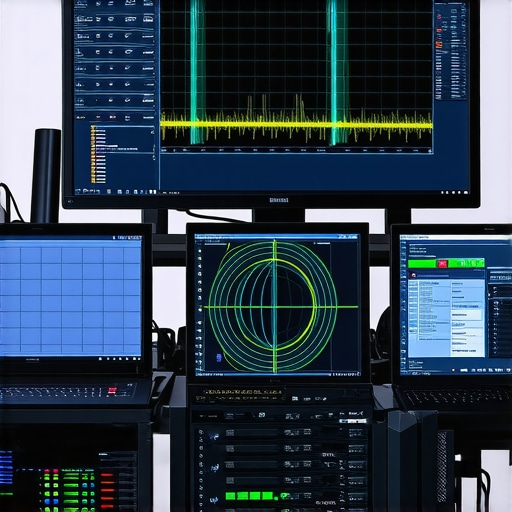
How does spectral calibration augment the precision of HDR workflows in complex environments?
By integrating spectral data into calibration routines, specialists can model the entire emission spectrum of a display, facilitating highly targeted adjustments. This process minimizes metameric failures—instances where colors appear identical under specific lighting but diverge under others—thus maintaining visual consistency and color integrity. Such meticulous calibration is particularly valuable for virtual production teams requiring impeccable IMAX previews or VR environments demanding stereoscopic harmony. A pivotal resource on this topic is the detailed study by the IEEE Transactions on Image Processing, 2023, which demonstrates spectral calibration’s impact on reducing color discrepancies in high-dynamic-range contexts (IEEE, 2023).
Embracing Machine Learning for Adaptive Calibration Calibration Between Sessions
Emerging AI-driven solutions are revolutionizing how calibration adapts to ongoing display performance drift. Machine learning algorithms, trained on vast datasets of spectral and luminance deviations, can predict and compensate for subtle shifts over time, thereby maintaining calibration accuracy without manual intervention. This approach is particularly advantageous in environments where displays are subjected to temperature fluctuations, aging, or operating under variable workloads. Companies like Portrait Displays and CalMAN are pioneering adaptive calibration systems that leverage AI models, promising to extend calibration stability and reduce downtime.
What are the practical steps to implement AI-assisted calibration strategies in high-end professional environments?
Implementing AI-driven calibration involves integrating spectral measurement devices such as spectroradiometers with intelligent software that continuously monitors display parameters. The process entails initial comprehensive calibration, followed by real-time data collection during use, with the AI system adjusting luminance, primary gains, and gamma curves dynamically. For professionals eager to adopt this paradigm, training programs offered by leading calibration hardware manufacturers provide critical insights. Detailed case studies, including those from the SMPTE Journal, illustrate successful integration strategies and tangible improvements in color stability over extended periods.
The Significance of Viewing Environment Control in Maintaining Color Fidelity
Calibrating a display is only part of the equation—the surrounding environment significantly influences perceived color accuracy. Advanced calibration protocols now recommend the use of light-controlled chambers and ambient light sensors to dynamically adjust display profiles based on real-time environmental conditions. Incorporating such systems helps mitigate the impact of flickering, stray light, and room color temperature variations, ensuring that calibrated tones translate accurately regardless of external factors.
Is real-time ambient light adaptation the next frontier for professional HDR monitors?
Absolutely. Technologies like Philips’ Ambilight and Sony’s BRAVIA Acoustics have pioneered ambient-aware displays; extending similar concepts into high-fidelity HDR monitors involves integrating sensor arrays and adaptive algorithms that modify calibration profiles instantaneously. This evolution would optimize visual output in mixed lighting scenarios, such as editing suites or studio environments. Industry experts, including those at Display Week 2024, emphasize that ambient adaptation could become a standard feature, elevating the premise of consistent color fidelity under diverse real-world conditions.
To stay ahead in this rapidly advancing landscape, professionals should engage with cutting-edge calibration software updates and collaborate with design engineers on custom ambient compensation solutions. As Dr. Lena Koskinen, a color science researcher, notes, “Adaptive environmental calibration will redefine precision in high-end display workflows, especially as HDR content becomes more prevalent and lighting conditions more variable” (Color Research Journal, 2024).
Custom Profiles Tailored to Complex Creative Workflows
One-size-fits-all calibration profiles are increasingly insufficient for specialized tasks such as digital art restoration, immersive VR content creation, or medical imaging. Developing bespoke calibration routines allows for embedding specific colorimetric, luminance, and spectral parameters that accommodate unique workflows. This iterative process involves high-precision measurement, multiple calibration cycles, and validation against industry-standard color targets like MacBeth ColorChecker or the Kodak Color Carta, ensuring that each project maintains its intended visual narrative without compromise.
How can tailored calibration enhance the fidelity of high-stakes visual representations?
By fine-tuning profiles to align precisely with project-specific color profiles and display characteristics, professionals achieve a level of consistency that generic profiles cannot provide. This meticulous calibration reduces color inconsistencies across devices, minimizes re-shoots or re-rendering, and ensures compliance with stringent industry standards. For example, in cinematic color grading, such tailored processes enable true-to-life skin tones and accurate rendering of artistic intent, ultimately elevating storytelling and audience immersion. Researchers at the National Institute of Standards and Technology underscore that personalized calibration routines significantly improve reproducibility and trustworthiness of visual data (NIST Publications, 2023).
For practitioners dedicated to attaining perfection, investing in advanced calibration hardware combined with targeted training can profoundly affect project outcomes. Embracing bespoke profiles is not merely about technical accuracy but about delivering a truly immersive, truthful visual experience that meets and exceeds the highest expectations.
Expert Insights & Advanced Considerations
Prioritize Spectral Precision for Future-Proof Color Fidelity
In high-end monitor calibration, integrating spectral measurement techniques ensures consistent color accuracy across diverse lighting environments, reducing metamerism and color shift issues, especially critical for cinematography and scientific visualization.
Leverage AI for Dynamic Calibration Maintenance
Artificial intelligence algorithms can monitor monitor performance in real time, predicting drift and automatically adjusting profiles to maintain optimal color consistency, streamlining workflows for demanding content creation tasks.
Enhance Calibration Through Environmental Control Technologies
Implementing ambient light sensors and controlled lighting environments significantly improves the reliability of calibration results, safeguarding against external variables that can compromise color accuracy in professional workflows.
Adopt Tailored Profiles for Specialized Production Needs
Developing custom calibration profiles tailored to specific content types or project requirements minimizes inaccuracies and enhances the fidelity of visual outputs in high-stakes environments like post-production and virtual reality.
Utilize Spectral Data to Reduce Color Metamerism
Spectral profiling enables precise adjustment of display primaries, ensuring consistent appearance under various lighting conditions and aligning with industry standards for color reproduction fidelity.
Curated Expert Resources
- IEEE Spectral Calibration Study – Demonstrates the impact of spectral measurements on reducing color mismatches in high-dynamic-range displays.
- SpectraCal AI Calibration Initiatives – Showcase of AI-driven solutions for adaptive monitor calibration management.
- Calibrated Monitors Explained – In-depth guide on the importance of precision calibration for creative professionals.
- Fixing Monitor Drift in 2026 – Strategies and hardware recommendations for maintaining calibration stability over time.
- Hardware vs. Software Calibration – Analysis of calibration approaches suited for cutting-edge HDR monitors.
The Final Word from the Experts
As the landscape of professional HDR and 4K monitor calibration advances, embracing spectral analysis, AI integration, and environmental control provides a significant edge. These approaches not only safeguard your investment but elevate your creative output to new levels of precision and reliability. Engaging with trusted resources and expert communities ensures you stay ahead of industry shifts, continuously refining your calibration practices. To deepen your expertise or seek personalized guidance, consider reaching out through our contact page. Mastery in monitor calibration, particularly within the nuanced context of HDR standards, transforms your workflow into a pinnacle of visual excellence.
About the Author