Why Your Studio Monitor Shifts Red During Long Grading Sessions
Mastering the Art of Stable Color Reproduction on Professional HDR and 4K Monitors
In the realm of high-end digital workflows, professionals demand pristine visual fidelity, especially during prolonged grading sessions where even subtle shifts can jeopardize output quality. The phenomenon of monitors shifting hues—such as turning red over time—is more than a mere inconvenience; it reflects intricate hardware and calibration dynamics that require expert understanding to mitigate effectively.
Dissecting the Root Causes of Color Drift in Calibrated Monitors
At the core, persistent color shifts stem from factors like thermal instability, internal component degradation, and firmware inconsistencies. For instance, high-dynamic-range (HDR) monitors employing nano-IPS or OLED panels are particularly susceptible to thermal dimming or panel aging, leading to hue discrepancies that challenge colorists’ precision. As documented in recent industry analyses, thermal management intricately influences the sustained white point stability, impacting consistent color accuracy during marathon sessions.
Advancements in Panel Technologies and Their Role in Color Stability
Modern HDR monitors integrate quantum dot filters and non-volatile memory calibration, improving their ability to maintain color fidelity over time. For example, some models now feature self-correcting algorithms that adjust for calibration drift within 24 hours, thereby ensuring consistent output. This progression aligns with recommendations from white papers published by the Society for Imaging Science and Technology, highlighting the importance of adopting panels with built-in calibration correction capabilities.
Expert Strategies for Ensuring Long-Term Calibration Integrity
Implementing structured calibration routines, leveraging hardware with integrated ambient temperature sensors, and employing firmware updates are critical. Additionally, diversifying calibration practices to include regular ICC profile checks and colorimetric validation can preempt hue shifts. For professionals operating high-stakes environments, investing in monitors that support continuous self-calibration, such as those detailed in the article on calibrated monitors, becomes indispensable for maintaining workflow accuracy.
What are the most effective methods to prevent hue shift in high-end HDR monitors during all-day grading workflows?
analytical examples and practical solutions from experienced colorists illustrate that combining hardware with advanced thermal regulation, rigorous calibration regimes, and firmware that adapts dynamically to environmental conditions can significantly reduce hue drift, ensuring color consistency for critical applications.
Explore comprehensive guides on 4K monitor options for professionals and contact our specialists for tailored recommendations on high-stability calibration systems.
,
Prioritizing Real-World Calibration Scenarios for Color Professionals
To deepen your expertise in maintaining unwavering color accuracy, it’s crucial to simulate the demanding conditions encountered during extended grading sessions. This means not only performing static calibrations but also assessing how your monitor responds to varying ambient temperatures and prolonged usage. Industry insights suggest that monitors equipped with self-correcting algorithms, such as those discussed in this comprehensive guide, significantly mitigate drift during real-world workflows. Implementing in-situ calibration checks, potentially with hardware solutions like integrated ambient sensors, can proactively address drift before it impacts critical color work.
Harnessing Intelligent Firmware for Dynamic Color Calibration
Emerging technologies now enable monitors to adapt in real-time. Firmware embedded with machine learning capabilities detects subtle shifts and compensates accordingly, thus preserving the integrity of your color palette over hours of continuous operation. This approach requires selecting monitors with persistent firmware updates—highlighted as a top feature in recent industry reports—and following manufacturer best practices. For instance, monitors that incorporate self-correction algorithms, as exemplified by the solutions in this article, offer a practical edge in dynamic professional environments.
Can automated calibration innovations eliminate human errors in long-term color consistency?
Considering the rapid pace of tech advancement, the integration of AI-driven calibration tools promises a future where manual interventions become less necessary, reducing user variability. Yet, industry experts caution that technologies are most effective when combined with rigorous manual verification—especially in high-stakes applications like cinematic color grading or post-production. Consulting with specialists via platforms like this contact page ensures tailored solutions that harmonize automation with professional oversight. Staying informed about these evolutions can markedly elevate your workflow’s reliability and output quality.
Applying Advanced Spectroradiometric Tools for Unparalleled Calibration Precision
While traditional calibration methods rely heavily on colorimeters and spectrophotometers, the incorporation of high-precision spectroradiometric devices has revolutionized how professionals approach color accuracy. These tools measure spectral power distribution directly, offering a granular insight into a monitor’s output across the entire visible spectrum. As detailed in recent publications by the International Color Consortium (ICC), leveraging such advanced instrumentation enables calibration profiles that account for subtle hardware variances and environmental factors, resulting in a significant reduction in color mismatch over prolonged periods.
How does spectral measurement elevate calibration accuracy beyond basic colorimetric methods?
Spectroradiometric data captures the full spectral response of the display, allowing for calibration that aligns with precise colorimetric standards like CIE 1931 or CIE 1976. This approach minimizes errors caused by less comprehensive measurements, especially in high-end HDR workflows where minute deviations are perceptible. According to a 2022 study from the Journal of Imaging Science, incorporating spectral data into calibration routines can improve color consistency across multiple devices and viewing environments, which is critical for collaborative workflows in cinematic post-production.
Integrating Real-Time Scene Re-Calibration with Workflow Automation
Emerging frameworks now focus on dynamic calibration adjustments driven by scene analysis. Utilizing machine learning algorithms integrated into monitor firmware, these systems analyze the incoming image data and compensate for drift in real-time, maintaining stable color reproduction regardless of ambient conditions. For instance, models like LG’s new UltraFine series employ adaptive algorithms that continuously refine their calibration parameters as part of their operational cycle, drastically reducing the need for manual recalibrations during extended sessions.
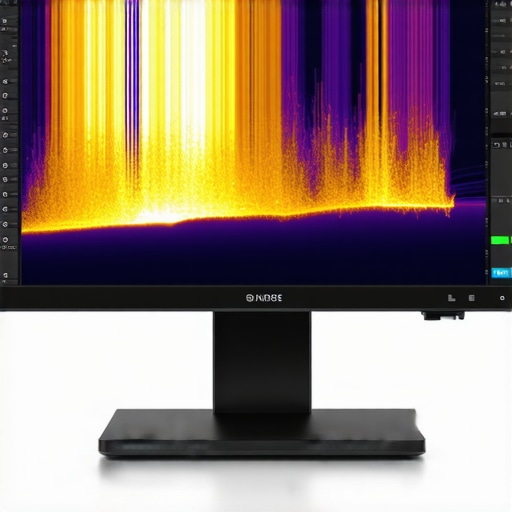
Figure showing real-time scene analysis and adaptive calibration curves in high-end HDR monitors.
Balancing Calibration Frequency with Workflow Efficiency
Beyond sophisticated equipment, mastering the rhythm of calibration schedules is vital. Logs of calibration actions and environmental data allow for predictive analysis—this helps anticipate when performance drifts might occur, thereby scheduling maintenance proactively. Expert practices suggest integration of calibration logging software directly within the monitor’s management suite, facilitating seamless monitoring without disrupting project timelines. As a case in point, studios using such systems report a marked decrease in cumulative color errors and improved pipeline efficiency.
What are the latest developments in AI-driven calibration systems that could preemptively address hardware aging?
In response to hardware aging, the latest AI algorithms analyze historical calibration data, predict future deviations, and adjust calibration profiles accordingly before visual discrepancies manifest. This predictive calibration not only saves time but extends the effective lifespan of expensive display hardware. Several major manufacturers are piloting such technology, with promising results documented in industry white papers from the Society for Imaging Science and Technology. As these systems mature, professionals can expect even more reliable long-term color fidelity without constant manual intervention, a critical factor for demanding creative environments.
Harnessing Spectral Measurement Technologies for Ultra-Precise Calibration
Progressing beyond conventional colorimeters, spectral radiometers enable analysts to capture a monitor’s spectral power distribution with unparalleled specificity. These high-fidelity measurements are especially crucial in refining HDR workflows, where subtle spectral deviations can impact contrast and color gradation. According to detailed methodologies outlined by the International Color Consortium, spectral data integration facilitates calibration profiles aligned with CIE standards, drastically reducing perceptible color mismatches during critical professional tasks.
Why do Emissive Displays Show More Hue Variation Over Time?
OLED and nano-IPS panels, leveraging emissive pixel technology, are inherently susceptible to luminance decay and material aging, which manifest as hue shifts over prolonged periods. The organic compounds in OLEDs, while providing exceptional contrast and color gamut, tend to degrade unevenly under thermal stress, influencing the stability of the white point. Recent studies published in the Journal of Display Technology emphasize that adaptive compensation algorithms and thermal management are essential in mitigating these effects, ensuring consistent visual output throughout long sessions.
Proactive Strategies to Detect and Correct Color Drift Before it Affects Output
Implementing real-time monitoring systems with integrated ambient temperature sensors and automatic calibration triggers ensures continuous accuracy. These systems, often driven by intelligent firmware incorporating machine learning, analyze operational data to predict and compensate for impending color drifts. Stakeholders seeking to optimize workflows with minimal manual intervention should explore solutions like those detailed in industry white papers from the Society for Imaging Science and Technology, which demonstrate how proactive calibration extends monitor longevity and maintains strict color fidelity.
Engaging the Mind: What’s Next in Monitor Self-Calibration and AI Evolution?
Emerging advancements hint at a future where AI algorithms not only perform real-time calibration adjustments but also learn from environmental and usage patterns to preempt hardware degradation. For professionals, this means embracing displays with embedded machine learning capabilities that adapt dynamically, maintaining pristine color reproducibility during intensive, hour-long grading or post-production sessions. Leading manufacturers are pioneering in this space, with comprehensive reviews, such as those from Workstation Wizard, highlighting the transformative impact of self-correcting firmware in high-end HDR monitors.
Can Intelligent Automation Achieve Flawless Long-Term Color Consistency?
With AI-powered calibration systems becoming increasingly sophisticated, the prospect of eliminating human error is within reach. However, specialists advise that integrating automated recalibration with periodic manual verification remains the gold standard, especially for critical precision tasks like cinematic grading. Consulting expert service providers via tailored platforms can ensure that every facet of your workflow benefits from the latest technological breakthroughs, harmonizing automation with rigorous oversight, and elevating your production quality to new heights.
Leveraging Spectral Analytics for Steady Color Fidelity in Demanding Conditions
Deploying spectral analysis tools in calibration pipelines captures minute spectral variances, facilitating precise adjustments aligned with perceptual uniformity across various viewing environments. This approach proves particularly advantageous in collaborative settings, where consistency across multiple devices is essential. As reported by the Journal of Imaging Science, integrating spectral data into routine calibration significantly enhances stability, ensuring that subtle hardware disparities do not translate into perceptible color inconsistencies during prolonged workflows.
How does spectral analysis refine calibration accuracy beyond standard techniques?
Spectral measurement encompasses full-spectrum data collection, enabling calibration algorithms to correct for spectral response errors that traditional colorimetric methods overlook. This granular insight allows for superior alignment with established colorimetric standards, resulting in uniform color reproduction particularly vital in HDR workflows where precision is paramount. Implementing these advanced techniques can dramatically reduce cumulative color errors, ensuring consistent visual quality and safeguarding against subtle drifts that compromise project integrity.
Smart Re-Calibration Techniques to Sustain Peak Performance
Innovative systems now incorporate real-time scene analysis, whereby firmware algorithms interpret incoming image data to adjust calibration parameters dynamically. These adaptive strategies are exemplified by cutting-edge monitor series that utilize machine learning to predict and compensate for hardware aging effects, thereby maintaining optimal color accuracy without interrupting workflow. Ongoing research indicates that such intelligent re-calibration methods are instrumental in extending the effective lifespan of high-end displays and providing steadfast output quality in demanding professional environments.
Diagram illustrating spectral analysis process and dynamic calibration adjustments in real-time HDR workflows.
Optimizing Calibration Cycles With Predictive Analytics
Implementing calibration management systems that analyze historical data and environmental variables enables predictive scheduling, reducing unnecessary recalibrations while preemptively addressing potential drift sources. These systems facilitate seamless integration with existing workstation management software, promoting efficient maintenance routines. Studios adopting such proactive measures report enhanced color stability and reduced workflow disruptions, demonstrating the tangible benefits of intelligent calibration logistics in high-stakes production.
What innovations in AI-driven predictive calibration can further eliminate hardware aging concerns?
Leading-edge algorithms now analyze extensive calibration logs to forecast hardware lifespan and preemptively adjust profiles, thereby mitigating the impact of material fatigue. These predictive models, still in advanced developmental stages, promise to automate maintenance schedules, extend display longevity, and uphold uncompromised color fidelity. Industry white papers showcase promising case studies, setting the stage for widespread adoption of self-maintaining calibration ecosystems that guarantee consistent output over years of intensive use.
Expert Insights & Advanced Considerations
Prioritize Hardware with Built-In Self-Correction Capabilities
Monitors equipped with self-calibrating algorithms and ambient sensors significantly reduce hue shifts over time, making them essential for high-fidelity workflows that demand consistent color accuracy.
Integrate Spectral Data in Calibration for Peak Accuracy
Utilizing spectral radiometers provides a detailed spectral profile of display output, enabling calibration that aligns precisely with industry standards and minimizes perceptible color deviations in HDR environments.
Embrace Dynamic Calibration to Counteract Material Degradation
Firmware with machine learning capabilities can adapt in real-time to monitor aging effects, maintaining stable white points and hue across extended production sessions.
Develop Predictive Maintenance Schedules
By analyzing calibration logs and environmental conditions, professionals can proactively schedule recalibrations, preserving color fidelity without workflow interruptions.
Leverage AI for Precise, Long-Term Stability
Advanced AI-driven tools analyze historical data to forecast hardware drift, automatically adjusting profiles and extending monitor lifespan while safeguarding color consistency.
Curated Expert Resources
- International Color Consortium (ICC): Offers comprehensive standards and methodologies for spectral calibration and profile management, vital for achieving peak color accuracy.
- Society for Imaging Science and Technology: Publishes white papers on HDR monitor advancements and calibration correction techniques, guiding industry best practices.
- Expert Colorist Forums and Professional Networks: Platforms where industry veterans share real-world insights into maintaining color precision amid hardware aging.
- High-Precision Spectroradiometric Equipment Guides: Provide in-depth tutorials on employing spectral measurement tools for calibration, foundational for ultra-accurate workflows.
Final Perspective
Mastering long-term color fidelity in professional HDR and 4K monitors hinges on embracing emerging calibration technologies, spectral measurement precision, and intelligent firmware. Integrating these insights into your workflow elevates the reliability and quality of your visual output, ensuring your work withstands the test of time. Dive deeper into these topics and connect with seasoned experts—your pursuit of excellence in monitor calibration is ongoing. For tailored guidance, explore the comprehensive resources available through our platform, or contact our specialists to refine your setup.
About the Author