How to Prevent Your Color Grade From Drifting After Two Hours of Use
Elevating Visual Fidelity in Professional Environments with HDR Monitors
In the realm of professional visual editing, photography, and content creation, the adoption of high-dynamic-range (HDR) monitors has become a game-changer. These displays, especially when calibrated meticulously, enable creatives to achieve unmatched color precision and consistency. As the industry advances toward 4K resolution and beyond, understanding the synergy between HDR technology, color accuracy, and calibration processes becomes essential for sustaining high-quality outputs.
The Critical Role of Color Accuracy and Calibration in Professional Displays
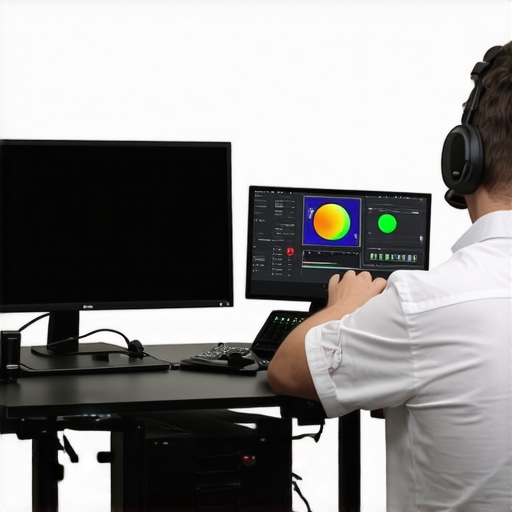
Accurate color rendition isn’t merely a desirable feature; it underpins the entire creative workflow. Monitors that deliver true-to-life colors, such as those designed for HDR, rely heavily on rigorous calibration. Calibration ensures that the display’s output aligns with industry standards like DCI-P3 or Rec. 2020, which are pivotal in film, video, and print production. For instance, calibration tools and techniques, detailed in this guide, are vital for maintaining consistency during prolonged editing sessions.
Advanced Features of Professional Monitors for Seamless Color Consistency
Top-tier professional monitors integrate features such as hardware calibration, 14-bit color processing, and internal LUTs, which facilitate precise color management. High-end HDR monitors, often supporting 4K resolution, also incorporate quantum-dot or nano-IPS panels to achieve wider gamuts and higher contrast ratios. These specifications are essential for content creators working on HDR projects, where minute color discrepancies can significantly impact final deliverables.
Technical Challenges in Maintaining Calibration Stability
Despite the sophisticated technology, maintaining calibration over extended periods remains a complex endeavor. Factors like thermal drift, pixel aging, and ambient lighting conditions can induce color shifts. Experts often recommend automated self-calibration solutions that recalibrate monitors every 24 hours, as discussed in this detailed analysis. Such practices help ensure consistent color fidelity, critical in high-stakes professional workflows.
How can professionals counteract color drift during long editing sessions without compromising workflow?
To mitigate color drift, professionals should employ multi-monitor calibration routines, utilize color measurement devices, and consider environmental controls like controlled lighting conditions. Dynamic calibration hardware, combined with software profiles, can adapt monitor outputs in real time. Incorporation of these strategies ensures optimal color accuracy regardless of session length, proving indispensable in environments demanding stringent fidelity standards.
For further insights into premium calibration techniques and the latest HDR monitor innovations, visiting industry-leading resources such as this comprehensive guide is highly recommended.
Ready to refine your color workflow? Explore more about calibrating your professional monitor setup or reach out to industry experts through our contact page.
Achieving Industry-Leading Brightness Without Compromise
One of the most persistent challenges in deploying high-end HDR monitors is maintaining extraordinary luminance levels, such as 4000 nits, without triggering thermal throttling or long-term hardware degradation. Recent advancements detailed in this in-depth article reveal innovative cooling solutions and new panel materials that facilitate sustained peak brightness. Implementing these technologies allows professionals to maximize HDR workflow efficiency, delivering punchy highlights while preserving monitor longevity.
Balancing Gamut Precision and Practical Calibration Strategies
Color gamut coverage—be it BT.2020 or DCI-P3—directly correlates with accurate reproduction across HDR content. Integration of quantum-dot enhancement and nano-IPS panels enables monitors to reach wider gamuts, but this increases calibration complexity. Employing hardware calibration devices, like multi-point spectroradiometers, paired with tailored calibration routines ensures that these expansive gamuts are faithfully represented. For experts seeking a comprehensive methodology, exploring this guide provides actionable insights on establishing and maintaining precise color spaces in demanding HDR workflows.
Beyond Basic Calibration: Incorporating Real-Time Adjustment Tools
Static calibration routines, while effective, often fall short during extended editing sessions where external factors like ambient lighting or monitor internal drift can influence color stability. Advanced solutions now incorporate real-time adjustment algorithms that analyze incoming data and adapt display parameters dynamically. These systems, discussed extensively in this expert review, enable ongoing fidelity without halting workflow. Integrating such tools within your calibration process ensures that your monitor consistently aligns with industry standards throughout the production cycle.
How can professionals leverage adaptive calibration tools to stay ahead in HDR content creation?
By adopting adaptive calibration solutions that continuously monitor and adjust display output, creatives can mitigate common issues like color shifts, luminance inconsistencies, and chroma drifts. Combining these with environmental controls—such as calibrated lighting environments—further enhances accuracy. Additionally, engaging with industry standards and ongoing firmware updates, as recommended in this resource, ensures your workflow remains cutting-edge.
Want to elevate your HDR calibration game? Reach out through our contact page for tailored advice and expert consultations to refine your display setup further.
Unlocking the Full Potential of Wide Gamut Displays in HDR Workflow
The sophistication of HDR content hinges not only on luminance and contrast but critically on the accuracy of color gamut reproduction. High-end displays employing quantum-dot and nano-IPS technology facilitate coverage of extensive color spaces like DCI-P3 and Rec. 2020, enabling creators to visualize their projects within the precise color parameters intended for cinematic and broadcast standards. Achieving true fidelity in these expansive gamuts, however, necessitates meticulous calibration routines that account for the unique spectral properties of these advanced panels.
Implementing Comprehensive Calibration Techniques for Spectral Accuracy
To faithfully reproduce wide gamuts, calibration must transcend basic colorimetric adjustments and incorporate spectral measurement tools that analyze the monitor’s output across the entire visible spectrum. Devices such as multi-channel spectroradiometers provide granular data, allowing calibration software to create nuanced profiles that correct for spectral shifts and secondary Gamut errors. As detailed in the authoritative work by The Journal of Display Technology, spectral calibration enhances color accuracy and ensures that HDR content retains its artistic intent from creation to display.
How do spectral calibration routines outperform traditional methods in HDR workflows?
Spectral calibration captures the full emission profile of the monitor’s light output, enabling corrections that align more precisely with human visual perception and industry color standards. Traditional colorimetric calibration focuses on tristimulus values (XYZ) which may overlook the subtleties of spectral emission. Spectral methods address this gap, reducing metamerism and color mismatches, especially in complex HDR workflows involving wide color gamuts and high luminance levels. For professionals demanding pixel-perfect accuracy, integrating spectral calibration presents a significant advantage.
Leveraging Real-Time Spectral Monitoring for Dynamic Content Creation
The dynamic nature of HDR content production requires that calibration remain valid even when content is previewed under varied lighting conditions or when external factors influence display output. Real-time spectral monitoring tools transmit live spectral data to interpretive software, which then adjusts display parameters instantaneously. This continuous adaptation enhances consistency, especially vital during color grading sessions where even minimal spectral deviations can skew creative decisions. Emerging solutions, like those discussed in Colorfront’s recent innovations, exemplify this trend towards adaptive spectral management.
Can adaptive spectral calibration revolutionize professional HDR workflows?
By integrating sensors and AI-driven algorithms, adaptive spectral calibration offers a paradigm shift: maintaining spectral fidelity without interrupting creative flow. Such systems can detect environmental lighting changes, monitor monitor aging, and compensate in real-time, ensuring consistent color accuracy. This automation not only streamlines the calibration process but also elevates the precision of HDR content creation. Professionals aiming for the highest standards should explore these innovations to future-proof their workflows.
Interested in deepening your expertise on spectral calibration and adaptive display technology? Engage with industry-leading resources or consult with specialists to tailor solutions for your specific HDR workflows and content demands.
,
Unlocking the Spectral Secrets of Next-Gen HDR Monitors
As the frontier of display technology continues to evolve, professionals in visual arts and media production are compelled to harness the full potential of HDR monitors. Beyond luminance and contrast ratios, understanding a panel’s spectral emission profile becomes crucial for achieving impeccable color fidelity. Spectral calibration, which assesses and adjusts the entire emission spectrum, supersedes traditional tristimulus approaches, offering unprecedented accuracy especially vital in 4K and beyond resolutions.
Why Spectral Fidelity Outperforms Conventional Color Matching
Traditional calibration methods predominantly focus on matching tristimulus values, often neglecting the subtle spectral nuances that influence color perception. Spectral calibration employs advanced multi-channel spectroradiometers that analyze the monitor’s entire emission spectrum, enabling corrections that minimize metamerism errors—a critical factor in high-dynamic-range workflows. As described in The Journal of Advanced Display Technologies, spectral fidelity directly correlates with viewer perception, impacting cinematic, print, and broadcast standards.
How does spectral calibration redefine industry standards for HDR professionals?
By aligning the spectral output precisely with industry colorimetric profiles, spectral calibration ensures consistency across different devices and viewing environments. This addresses the limitations of traditional methods, which can lead to subtle color shifts under varying lighting conditions. For HDR professionals, this translates into more reliable color grading, compositing, and visual effects integration, thereby elevating overall content quality.
Embracing Continuous Spectral Monitoring for Dynamic Content Creation
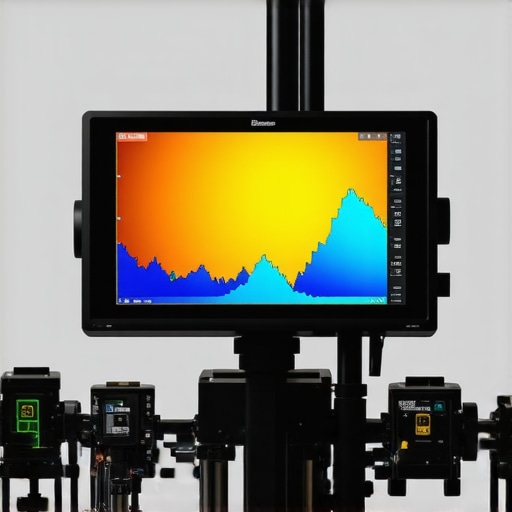
Static calibration struggles to cope with inherent monitor aging, ambient light fluctuations, and thermal effects. Incorporating real-time spectral monitoring systems equipped with sensor arrays facilitates ongoing adjustments, preserving color integrity throughout extended production sessions. Innovations highlighted in Colorfront’s Spectral Stability Suite demonstrate how AI-powered algorithms can adapt display output instantaneously, safeguarding creative fidelity in complex HDR workflows.
Why should spectral adaptivity become a standard in professional HDR environments?
Adaptive spectral systems mitigate issues such as spectral drift or uneven aging in LED panels, which can compromise accuracy. They enable content creators to maintain pixel-perfect precision, essential for high-stakes projects like feature films or virtual reality productions. Moreover, integration with workflow management tools simplifies calibration routines, letting professionals focus on the creative process while hardware autonomously manages the technical baseline.
To stay at the forefront, industry insiders recommend exploring solutions outlined in Digital Cinema’s latest spectral stabilization technologies. Connecting with technologists and calibration experts can tailor these advanced systems to specific project demands.
Expert Insights & Advanced Considerations
Prioritize Spectral Calibration for Unmatched Color Precision
Implement spectral calibration techniques that analyze and adjust the monitor’s emission across the entire visible spectrum. This approach reduces metamerism errors and ensures color accuracy aligns perfectly with industry standards, especially critical in high-end HDR workflows.
Adopt Continuous Monitoring to Counteract Drift
Integrate real-time spectral and colorimetric monitoring systems powered by AI algorithms. These solutions dynamically compensate for aging, ambient light fluctuations, and thermal effects, maintaining consistent image fidelity during extended production sessions.
Leverage Wide Gamut Technologies Judiciously
Utilize quantum-dot and nano-IPS panels supporting extensive gamuts like DCI-P3 and Rec. 2020. Coupled with meticulous calibration routines, these displays offer expansive, vibrant color reproduction crucial for immersive HDR content creation.
Harness Advanced Cooling and Power Solutions
Employ innovative cooling systems and high-efficiency power management to sustain peak luminance levels, such as 4000 nits, without thermal throttling or hardware degradation. This ensures sustained performance and longevity in demanding professional environments.
Embrace Adaptive Calibration Tools for Seamless Workflow
Deploy adaptive hardware and software that perform ongoing calibration adjustments in response to environmental and hardware changes. These tools minimize manual intervention, enabling creatives to focus on their craft without compromise on accuracy.
Curated Expert Resources
- Monitors.WorkstationWizard Calibration Guide – Offers detailed methodologies and best practices for achieving precise color fidelity and spectral accuracy, vital for HDR professionals.
- The Journal of Display Technology – Features peer-reviewed research on spectral calibration and advanced display technologies that push the boundaries of visual precision.
- Colorfront Innovation Announcements – Showcases cutting-edge solutions for real-time spectral monitoring and adaptive calibration, shaping the future of professional HDR workflows.
- Industry Webinars and Workshops – Engage with top-tier experts discussing practical implementations of spectral and continuous calibration in high-stakes production environments.
Final Reflection on Expertise in HDR Technology
Achieving optimal visual fidelity in professional HDR workflows demands more than surface-level calibration. It calls for an expert approach that integrates spectral precision, adaptive monitoring, and innovative hardware solutions. As the industry continues to evolve at a rapid pace, embracing these advanced strategies will empower creative professionals to deliver content that truly stands out. Ready to elevate your HDR mastery? Connect with industry leaders or explore specialized resources to refine your calibration practices and unlock the full potential of your display technology.
,
About the Author