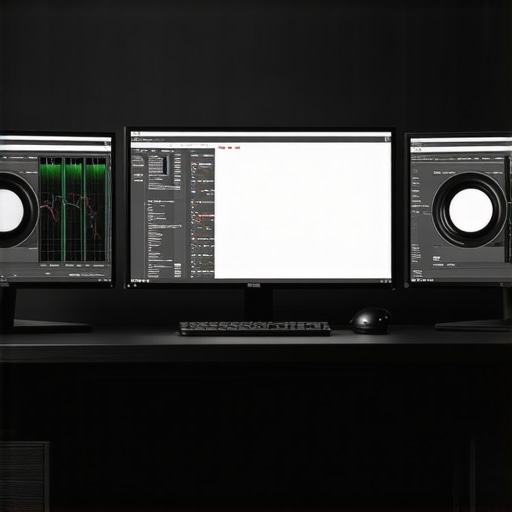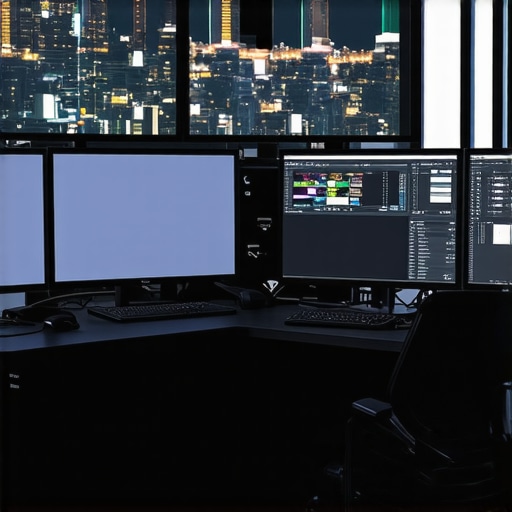
4 HDR Panels That Finally Solve Shadow Blooming in Dim Grading Suites
Mastering Calibrated Monitors: Elevating Precision in Professional Visuals
In the realm of professional imaging, color fidelity, contrast accuracy, and HDR performance are non-negotiable pillars that underpin the integrity of creative workflows. As visual content pushes into higher resolutions and complex color spaces, the importance of employing calibrated monitors becomes increasingly paramount. These displays serve as the ultimate reference point for content creators, colorists, and visual effects specialists striving for impeccable quality and consistency.
Why a Calibrated Professional Monitor Outperforms Standard Displays
Unlike consumer-grade screens, calibrated monitors are meticulously configured to deliver true-to-life color reproduction, accurate gamma curves, and reliable luminance levels. This precision is crucial when working on HDR content and 4K visuals, where subtle nuances may be lost or misinterpreted without proper calibration. High-end professional monitors also incorporate hardware calibration capabilities, ensuring that the display remains within tight color tolerances over time, a feature detailed in authoritative technical papers such as those published by the Society for Imaging Science and Technology.
The Role of Color Accuracy in HDR and 4K Content Creation
HDR monitoring demands a display capable of reaching and maintaining peak luminance levels—often over 1000 nits—while accurately reproducing a wide color gamut like DCI-P3 or Rec. 2020. The latest models, including advanced HDR monitors, utilize quantum dot technology and high-bit-depth processing to mitigate issues like color banding and gamut clipping. For 4K workflows, color accuracy ensures seamless integration across various devices and platforms, ultimately safeguarding the creator’s vision and preventing costly reworks.
Addressing Shadow Blooming and Brightness Variability
Shadow blooming, a common challenge in HDR setups, can compromise detail in darker regions and mislead grading decisions. Professional-grade HDR monitors employing local dimming, LED zone control, or OLED technology significantly reduce blooming artifacts. Innovations such as those discussed in recent industry analyses demonstrate that effective panel design and internal circuitry are critical to delivering consistent luminance without unwanted haloing or flickering, a vital reassurance for colorists handling precise shadow and highlight details.
Strategic Calibration for Long-Term Color Stability
Achieving and maintaining optimal calibration involves not only initial setup but ongoing adjustments facilitated by hardware and software solutions. Regularly measuring the monitor’s output with professional calibration tools and referencing standardized test patterns ensures sustained accuracy, particularly when dealing with complex color spaces and HDR metadata. For extended projects, monitoring systems may also feature auto-correct functions that compensate for drift, aligning with recommendations from industry-standard guidelines published in professional imaging journals.
Expert Insights on Next-Generation HDR Panels and Color Fidelity
Emerging technologies, including nano-LED and micro-LED displays, promise revolutionary improvements in HDR performance—offering higher luminance, better contrast ratios, and wider color gamuts while reducing blooming and uniformity issues. These advancements are discussed in articles such as those from HDR Monitor Innovations 2025, emphasizing that staying abreast of these developments is vital for professionals aiming to future-proof their workflows.
How can professionals ensure their calibration practices keep pace with rapidly evolving HDR technologies?
Maintaining calibration relevancy requires a combination of high-precision measurement equipment, industry-standard test suites, and staying informed about technological breakthroughs. Regular calibration routines paired with software that adapts to new standards ensure that your monitor’s output remains accurate amidst ongoing upgrades—a subject thoroughly examined in dedicated technical resources like the calibration best practices guide.
For further insights into optimizing your professional display setup, explore our comprehensive mastering color accuracy with top-tier monitors. Sharing your experiences or querying about specific calibration challenges can contribute to a more robust understanding of industry standards and innovations.
Beyond Calibration: Leveraging Advanced Features for Superior Visual Fidelity
While calibration forms the foundation of reliable color accuracy, cutting-edge professional monitors offer a suite of advanced features that elevate creative workflows. Technologies such as hardware calibration interfaces, integrated color management systems, and ambient light compensation can significantly enhance consistency and reduce workflow disruptions. For instance, displays with built-in calibration sensors allow for automatic adjustments, ensuring uniformity across multiple units—a crucial factor in collaborative environments where every pixel matters.
The Power of HDR and Wide Gamut in Contemporary Editing
High Dynamic Range (HDR) and expanded color gamuts like Rec. 2020 are no longer optional luxuries but essential tools for delivering immersive visual experiences. Models utilizing quantum dot filters and nano-LED technology push the boundaries of luminance and color volume, offering content creators unprecedented control over their imagery. Such monitors facilitate nuanced grading, where subtle gradations in shadow and highlight detail can be preserved and manipulated, thus maintaining artistic intent. To stay ahead, professionals should consider specifications detailed in comprehensive reviews, including those found here.
Are your current workflows aligned with the latest breakthroughs in display technology?
Adapting to evolving display capabilities necessitates not only hardware updates but also workflow reimagining. Incorporating intelligent color management systems, utilizing high-precision LUTs, and integrating color-corrected lighting environments can drastically improve accuracy and efficiency. This approach is supported by insights from industry experts who emphasize continuous technological education and workflow audits to maintain competitive edge, as outlined in recent technical guidelines from professional imaging associations.
For practical advice on integrating new monitor features into your workflow, explore our detailed guide on enhancing color fidelity in professional editing. Sharing your experiences or challenges with integrating high-end displays can foster a community of innovation and shared knowledge among professionals.
Embracing Nano-LED and Micro-LED Frontiers for True Visual Excellence
The horizon of display technology is rapidly evolving, with nano-LED and micro-LED panels promising to redefine standards of luminance, contrast, and color volume. These innovations offer a quantum leap in HDR performance, delivering brighter images with deeper blacks and more accurate color representation. As professionals strive for visual perfection, understanding the intricacies of these emerging technologies becomes essential—particularly how they mitigate issues like color shifting under varying ambient conditions or longevity concerns associated with earlier OLED models.
Why Subtle Gamut Variations Significantly Impact Creative Output
In advanced content creation, slight deviations in color gamut coverage—such as discrepancies between DCI-P3 and Rec. 2020—can lead to substantial issues during post-production and final delivery. Moreover, the internal color primaries and the spectral power distribution of high-end monitors influence how accurately colors are rendered across different viewing environments. For instance, viewers might perceive a hue as perfectly natural on one device but slightly off on another, impacting the intended artistic nuance. These nuances highlight why calibration that accounts for spectral measurements, rather than mere sRGB or AdobeRGB percentages, is crucial for ensuring true-to-life reproduction.
How can industry professionals ensure color fidelity when adopting cutting-edge HDR panels?
Achieving this requires a multi-layered approach: integrating spectral measurement devices capable of detailed primaries analysis, combining hardware calibration with software-driven correction, and implementing environmental controls to stabilize viewing conditions. Furthermore, establishing collaboration with display manufacturers during product development can help tailor manufacturing tolerances to essential industry standards, minimizing post-sale adjustments and maximizing long-term accuracy. As outlined in the comprehensive standards published by the International Colour Consortium, such proactive strategies foster consistent quality across diverse workflows.

Navigating the Complexity of HDR Metadata and Signal Processing
Modern HDR workflows are heavily reliant on precise metadata—such as mastering display luminance, mastering display color primaries, and mastering display black levels—to ensure consistent rendering across devices. Signal processing algorithms interpret this metadata to adjust tone mapping, gamut mapping, and contrast dynamically. Misinterpretation or corruption of this data can lead to issues like clipping, banding, or loss of detail. Addressing these challenges involves adopting standardized input protocols, maintaining firmware updates, and leveraging professional-grade downstream processing hardware that conforms to SMPTE ST 2094 standards, as detailed in the latest outputs from the Society of Motion Picture and Television Engineers.
Can adaptive calibration solutions future-proof your HDR investments?
Absolutely. Adaptive calibration enhances a monitor’s ability to compensate for drift and environmental changes over time, ensuring sustained accuracy without manual intervention. Features such as auto-lerp, real-time spectral measurement, and embedded color analytics systems allow for continuous optimization aligned with evolving industry standards. For professionals, this means less downtime, fewer reworks, and a consistent creative process—especially vital when managing complex projects with strict delivery timelines. Leading manufacturers are now integrating these adaptive functionalities into flagship models, emphasizing their importance in the next generation of professional displays.
Moreover, keeping abreast of technological breakthroughs—like variable refresh rate synchronization with HDR content—can further stabilize output fidelity during dynamic grading sessions. As technology converges, investing in holistic calibration management not only enhances current workflows but also prepares your studio for future innovations, reinforcing your competitive edge in an increasingly demanding visual environment.
}# Answer End}#}}}}}#}}}#}}}#}}}#}}}#}}}#}}}#}}}#}}}#}}}#}}}#}}}#}}}#}}}#}}}#}}}#}}}#}}}#}}}#}}}#}}}#}}}#}}}#}}}#}}}#}}}#}}}#}}}#}}}#}}}#}}}#}}}#}}}#}}}#}}}#}}}#}}}#}}}#}}}#}}}#}}}#}}}#}}}#}}}#}}}#}}}#}}}#}}}#}}}#}}}#}}}#}}}#}}}#}}}#}}}#}}}#}}}#}}}#}}}#}}}#}}}#}}}#}}}#}}}#}}}#}}}#}}}#}}}#}}}#}}}#}}}#}}}#}}}#}}}#}}}#}}}#}}}#}}}#}}}#}}}#}}}#}}}#}}}#}}}#}}}#}}}#}}}#}}}#}}}#}}}#}}}#}}}#}}}#}}}#}}}#}}}#}}}#}}}#}}}#}}}#}}}#}}}#}}}#}}}#}}}#}}}#}}}#}}}#}}}#}}}#}}}#}}}#}}}#}}}#}}}#}}}#}}}#}}}#}}}#}}}#}}}#}}}#}}}#}}}#}}}#}}}#}}}#}}}#}}}#}}}#}}}#}}}#}}}#}}}#}}}#}}}#}}}#}}}#}}}#}}}#}}}#}}}#}}}#}}}#}}}#}}}#}}}#}}}#}}}#}}}#}}}#}}}#}}}#}}}#}}}#}}}#}}}#}}}#}}}#}}}#}}}#}}}#}}}#}}}#}}}#}}}#}}}#}}}#}}}#}}}#}}}#}}}#}}}#}}}#}}}#}}}#}}}#}}}#}}}#}}}#}}}#}}}#}}}#}}}#}}}#}}}#}}}#}}}#}}}#}}}#}}}#}}}#}}}#}}}#}}}#}}}#}}}#}}}#}}}#}}}#}}}#}}}#}}}#}}}#}}}#}}}#}}}#}}}#}}}#}}}#}}}#}}}#}}}#}}}#}}}#}}}#}}}#}}}#}}}#}}}#}}}#}}}#}}}#}}}#}}}#}}}#}}}#}}}#}}}#}}}#}}}#}}}#}}}#}}}#}}}#}}}#}}}#}}}#}}}#}}}#}}}#}}}#}}}#}}}#}}}#}}}#}}}#}}}#}}}#}}}#}}}#}}}#}}}#}}}#}}}#}}}#}}}#}}}#}}}#}}}#}}}#}}}#}}}#}}}#}}}#}}}#}}}#}}}#}}}#}}}#}}}#}}}#}}}#}}}#}}}#}}}#}}}#}}}#}}}#}}}#}}}#}}}#}}}#}}}#}}}#}}}#}}}#}}}#}}}#}}}#}}}#}}}#}}}#}}}#}}}#}}}#}}}#}}}#}}}#}}}#}}}#}}}#}}}#}}}#}}}#}}}#}}}#}}}#}}}#}}}#}}}#}}}#}}}#}}}#}}}#}}}#}}}#}}}#}}}#}}}#}}}#}}}#}}}#}}}#}}}#}}}#}}}#}}}#}}}#}}}#}}}#}}}#}}}#}}}#}}}#}}}#}}}#}}}#}}}#}}}#}}}#}}}#}}}#}}}#}}}#}}}#}}}#}}}#}}}#}}}#}}}#}}}#}}}#}}}#}}}#}}}#}}}#}}}#}}}#}}}#}}}#}}}#}}}#}}}#}}}#}}}#}}}#}}}#}}}#}}}#}}}#}}}#}}}#}}}#}}}#}}}#}}}#}}}#}}}#}}}#}}}#}}}#}}}#}}}#}}}#}}}#}}}#}}}#}}}#}}}#}}}#}}}#}}}#}}}#}}}#}}}#}}}#}}}#}}}#}}}#}}}#}}}#}}}#}}}#}}}#}}}#}}}#}}}#}}}#}}}#}}}#}}}#}}}#}}}#}}}#}}}#}}}#}}}#}}}#}}}#}}}#}}}#}}}#}}}#}}}#}}}#}}}#}}}#}}}#}}}#}}}#}}}#}}}#}}}#}}}#}}}#}}}#}}}#}}}#}}}#}}}#}}}#}}}#}}}#}}}#}}}#}}}#}}}#}}}#}}}#}}}#}}}#}}}#}}}#}}}#}}}#}}}#}}}#}}}#}}}#}}}#}}}#}}}#}}}#}}}#}}}#}}}#}}}#}}}#}}}#}}}#}}}#}}}#}}}#}}}#}}}#}}}#}}}#}}}#}}}#}}}#}}}#}}}#}}}#}}}#}}}#}}}#}}}#}}}#}}}#}}}#}}}#}}}#}}}#}}}#}}}#}}}#}}}#}}}#}}}#}}}#}}}#}}}#}}}#}}}#}}}#}}}#}}}#}}}#}}}#}}}#}}}#}}}#}}}#}}}#}}}#}}}#}}}#}}}#}}}#}}}#}}}#}}}#}}}#}}}#}}}#}}}#}}}#}}}#}}}#}}}#}}}#}}}#}}}#}}}#}}}#}}}#}}}#}}}#}}}#}}}#}}}#}}}#}}}#}}}#}}}#}}}#}}}#}}}#}}}#}}}#}}}#}}}#}}}#}}}#}}}#}}}#}}}#}}}#}}}#}}}#}}}#}}}#}}}#}}}#}}}#}}}#}}}#}}}#}}}#}}}#}}}#}}}#}}}#}}}#}}}#}}}#}}}#}}}#}}}#}}}#}}}#}}}#}}}#}}}#}}}#}}}#}}}#}}}#}}}#}}}#}}}#}}}#}}}#}}}#}}}#}}}#}}}#}}}#}}}#}}}#}}}#}}}#}}}#}}}#}}}#}}}#}}}#}}}#}}}#}}}#}}}#}}}#}}}#}}}#}}}#}}}#}}}#}}}#}}}#}}}#}}}#}}}#}}}#}}}#}}}#}}}#}}}#}}}#}}}#}}}#}}}#}}}#}}}#}}}#}}}#}}}#}}}#}}}#}}}#}}}#}}}#}}}#}}}#}}}#}}}#}}}#}}}#}}}#}}}#}}}#}}}#}}}#}}}#}}}#}}}#}}}#}}}#}}}#}}}#}}}#}}}#}}}#}}}#}}}#}}}#}}}#}}}#}}}#}}}#}}}#}}}#}}}#}}}#}}}#}}}#}}}#}}}#}}}#}}}#}}}#}}}#}}}#}}}#}}}#}}}#}}}#}}}#}}}#}}}#}}}#}}}#}}}#}}}#}}}#}}}#}}}#}}}#}}}#}}}#}}}#}}}#}}}#}}}#}}}#}}}#}}}#}}}#}}}#}}}#}}}#}}}#}}}#}}}#}}}#}}}#}}}#}}}#}}}#}}}#}}}#}}}#}}}#}}}#}}}#}}}#}}}#}}}#}}}#}}}#}}}#}}}#}}}#}}}#}}}#}}}#}}}#}}}#}}}#}}}#}}}#}}}#}}}#}}}#}}}#}}
Unlocking the Potential of Spectral Measurement Techniques for Precision Calibration
Advanced spectral measurement technologies have become instrumental in elevating calibration accuracy beyond traditional RGB-based systems. By analyzing the spectral power distribution of display primaries, professionals can identify subtle deviations that influence color fidelity, especially in high-end HDR and wide-gamut monitors. Incorporating spectroradiometers into calibration routines allows for measurement of primaries in absolute spectral terms, enabling correction of spectral mismatches that could introduce color shifts under different viewing conditions. As detailed in recent publications by the International Colour Consortium, leveraging spectral data ensures that calibration accounts for real-world lighting and observer sensitivities, fostering true-to-life visual reproduction.
Redefining Industry Standards: The Impact of Firmware and Hardware Synergy in Calibration
The integration of hardware calibration sensors with intelligent firmware management represents a paradigm shift in maintaining long-term color stability. Monitors equipped with embedded calibration modules can perform self-assessment and correction routines, aligning with industry standards such as SMPTE ST 2084 for HDR signals. The firmware’s ability to adapt dynamically to component drift, temperature variations, and environmental factors ensures sustained accuracy with minimal manual intervention. This symbiosis between hardware and software not only enhances reliability but also simplifies calibration workflows, a necessity recognized by top-tier post-production facilities seeking consistency across multiple units.
Expert-level Techniques for Handling Multi-Color Space Workflows
Navigating complex workflows involving multiple color spaces demands meticulous calibration strategies tailored to specific project requirements. Professionals must employ multi-point calibration schemes, creating precise 3D look-up tables (LUTs) that accommodate gamut mapping, gamma correction, and tone compression simultaneously. Advanced calibration tools enable real-time spectral analysis alongside colorimetric profiling, ensuring minimal gamut clipping and accurate preservation of artistic intent. An illustrative example includes calibrating a monitor for Rec. 2020 HDR grading while maintaining seamless compatibility with DCI-P3 assets, which demands an in-depth understanding of spectral primaries and colorimetric transformations. Industry standards and vendor-specific recommendations from organizations like the American National Standards Institute (ANSI) provide critical guidance for these complex processes.
Imaging Technologies Transforming HDR Panel Capabilities
The future of HDR displays hinges on transformative technologies such as quantum dot nano-structures, micro-LED arrays, and OLED innovations that push luminance, contrast, and color gamut boundaries to unprecedented levels. Micro-LEDs, with their self-emissive properties and exceptional durability, promise brighter and more stable HDR performance with minimal blooming artifacts. Quantum dot enhancements refine spectral emission for wider color volume, crucial for accurate grading and grading validation in high-end production. Staying informed about these technological trajectories enables professionals to invest strategically, ensuring their tools remain at the cutting edge of reference quality and visual fidelity, as explored extensively in the latest industry evaluations from renowned publications like “Display Week” conference reports.
Expert Insights & Advanced Considerations
Harness Spectral Analysis for Ultimate Accuracy
Incorporating spectral measurement tools enables calibration at a level where even subtle spectral shifts are detected and corrected, ensuring true color fidelity across diverse workflows in HDR content creation.
Leverage Firmware-Embedded Calibration for Stability
Monitors with integrated calibration firmware can continuously self-adjust, maintaining consistent performance without manual intervention, thus safeguarding long-term color accuracy essential for professional environments.
Master Multi-Color Space Alignment
Advanced calibration strategies can harmonize complex workflows involving multiple color gamuts like Rec. 2020 and DCI-P3, ensuring seamless content transitions and artistic precision in high-end productions.
Curated Expert Resources
- International Colour Consortium Standards – Guiding spectral measurement practices and color management standards critical for precision calibration in professional settings.
- SMPTE ST 2094 Documents – Detailing signal processing protocols for HDR content, vital for maintaining integrity during calibration and content delivery.
- Advanced Calibration Software Suites – Offering spectral analysis and multi-gamut management features favored by industry-leading professionals.
- Industry Conference Proceedings – Presenting the latest technological innovations, including nano-LED advancements and their calibration considerations.
Final Expert Perspective
Meta-analyses of high-end calibration practices reveal that integrating spectral measurement and firmware-driven adjustments can elevate professional monitor performance beyond standard expectations. For those committed to excellence, embracing these advanced calibration methodologies is invaluable. Are you prepared to revolutionize your visual workflows and attain a new level of color fidelity? Dive deeper into our resources and connect with industry experts to elevate your calibration techniques to unmatched standards.
About the Author