The Reason Your HDR Highlights Clip Even on 'Certified' 1000-Nit Panels
Reevaluating the Hype: Why Absolute Brightness Isn’t the Sole Criterion for HDR Monitor Performance
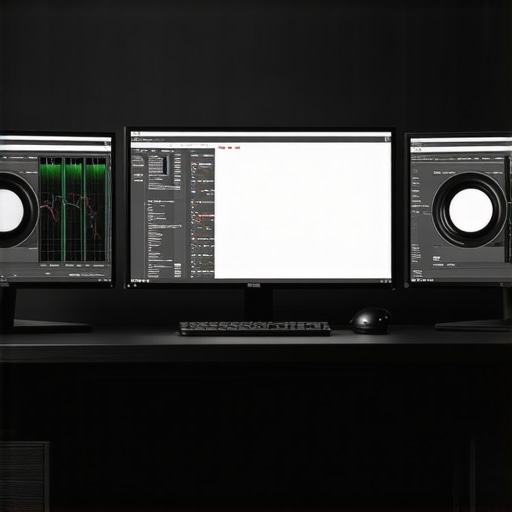
In the realm of professional visual production, the phrase “1000-nit HDR panel” often serves as a shorthand for ultimate luminance. However, experienced practitioners recognize that sheer peak brightness, while impressive, is merely one facet of a comprehensive performance matrix. Effective HDR implementation hinges on accurate tone mapping, precise color reproduction, and the monitor’s capacity to maintain consistent luminance without thermal or electronic compromise. When high-nit panels fail to deliver true highlight detail or exhibit clipping despite certifications, it indicates underlying calibration or metadata handling issues.
Decoding the Complexities of Color Accuracy in Professional Monitoring
Color fidelity remains the cornerstone of professional-grade displays. Monitors equipped with advanced calibration systems and high bit-depth processing — notably those supporting 14-bit RAW workflows — offer the nuanced gradations crucial for accurate grading and visual effects integration. Integrated hardware calibration, combined with firmware that supports comprehensive color space management (e.g., DCI-P3, Rec. 2020), mitigates drifts over time, fostering reliability during extensive color sessions. Experts recommend consulting specialized white papers such as those from Dolby Vision IQ or industry standards outlined by SMPTE to ensure your display meets the stringent requirements of modern color workflows.
The Intricacies of Calibration and Metadata Handling in 4K Professional Displays
Calibrated monitors excel in delivering consistent, predictable color gamut mapping and luminance output. Yet, issues persist in the form of metadata lag or incorrect application, leading to contrast shifts or color shifts mid-project. For high-fidelity professionals, understanding how monitor firmware processes HDR metadata becomes vital. Practices like routine calibration with certified hardware, coupled with server-side LUT management, can substantially reduce discrepancies. The profound connection between color calibration stability and hardware design underscores why some 4K monitors, despite specifications, often fall short during critical tasks.
Why Do Even Certified Panels Clip Highlights During Critical Moments?
This question frequently arises among seasoned colorists and VFX supervisors. The answer lies in metadata interpretation errors, limited bit-depth processing, or inadequate thermal management that hampers peak luminance sustainability. For example, scenes with intense specular highlights can clip if the monitor’s internal tone mapping algorithms or firmware fail to interpret HDR signal correctly. As detailed in industry reports, such as those from STÉVIA Labs, these nuances affect the final output more profoundly than naive luminance ratings suggest, emphasizing the need for monitors with true metadata preservation capabilities and reliable calibration systems.
How Can Professionals Ensure Their HDR Monitors Deliver Accurate Highlights Even During Extended Sessions?
Ensuring consistent highlight delivery involves not just selecting high-nit panels but also verifying the integrity of HDR metadata processing, robust thermal design, and frequent calibration routines. Leveraging tools like external colorimeter calibration fixtures and firmware updates from trusted manufacturers is paramount. Additionally, understanding the monitor’s native bit-depth and its ability to handle metadata lag — a common challenge among lower-tier models — determines the stability of highlights during prolonged grading or compositing workflows. For deeper insights, explore our detailed review of top-calibrated monitors designed for demanding creative tasks, or consider consulting industry standards outlined by the [SMPTE](https://ieeexplore.ieee.org/document/9549730) for comprehensive performance benchmarks.
Understanding these complex layers enhances the professional’s ability to select and maintain monitors that truly serve high-end production needs. To advance your knowledge of color accuracy and calibration, visit our dedicated expert guide to professional monitor calibration.
Elevating Your Workflow: Achieving Perfection with Calibrated Monitors
In high-end production environments, consistent calibration is paramount. Even the most advanced monitors can drift over time, undermining color accuracy and compromising project integrity. Professionals increasingly turn to integrated hardware calibration solutions that automatically maintain color fidelity without manual interventions, ensuring stability during long sessions. Regular calibration routines, supported by trusted tools like X-Rite i1 or Calman, are essential for maintaining the precise color reproduction necessary for critical work, especially when working with complex color spaces such as Rec. 2020 or Dolby Vision.
Making Sense of HDR Metadata Management for Flawless Visuals
One of the most misunderstood aspects of HDR workflows involves metadata conveyance. Modern monitors rely heavily on embedded metadata to interpret luminance and color information correctly. Improper handling can lead to clipping of highlights or crushed shadows, even on panels rated for high brightness. Studies indicate that hardware design choices, particularly in firmware responsible for HDR tone mapping, have a profound impact on the fidelity of meta-data application. As detailed in recent industry research, ensuring your monitor’s firmware adheres to standards like CTA-2086 is vital for preserving the intended luminance and color in your creative output.
The Hidden Power of Gamut Mapping in Professional Displays
Gamut mapping algorithms influence how colors outside a display’s native gamut are represented, impacting saturation and overall realism. Expert-grade monitors employ sophisticated gamut mapping techniques to prevent color clipping and maintain vibrancy, crucial for tasks like color grading in HDR or working within wide color spaces like P3 or Rec. 2020. When these processes falter, the resulting images can appear muted or oversaturated, misleading artists during critical adjustments. Advanced calibration not only corrects these distortions but also aligns the display’s output with industry color standards, reinforcing the importance of choosing monitors with robust gamut management capabilities.
Could the Limitations in Your Monitor’s Metadata Processing Be Undermining Your Creative Efforts?
This question resonates deeply with professionals striving for absolute precision. Metadata processing flaws—such as lag, misinterpretation, or incomplete support—can subtly distort colors and luminance, especially during extended editing sessions. To mitigate such issues, it’s crucial to verify that your monitor supports comprehensive HDR standards and firmware updates that optimize metadata handling. Routine calibration and industry-standard testing (like those found in our guide to top professional monitors) help identify and address these limitations proactively. For a broader perspective on improving your workflow, explore detailed reviews of calibrated monitors designed for intense creative demands, or consider consulting industry benchmarks from leading standards organizations like IEEE’s HDR Metadata Handling Guidelines.
Deepening your understanding of how monitor metadata interacts with graphic workflows empowers you to select models that meet the exacting standards of modern production — from cinematography to visual effects. To further refine your toolkit, explore our comprehensive expert guide on mastering color accuracy.
Beyond Peak Luminance: How Proper Calibration Unlocks True HDR Potential
Achieving authentic High Dynamic Range (HDR) visuals extends far beyond reaching high nit values; it demands meticulous calibration to ensure the displayed luminance and color information accurately mirror source content. Calibration processes that incorporate hardware colorimeters and software profiling tools help establish precise gamma curves, luminance targets, and color primaries. Without this rigor, even a monitor capable of 2000 nits might produce images that are improperly mapped or display clipped highlights, negating the benefits of advanced HDR standards. Professionals understand that regular calibration routines, aligned with industry-standard protocols, are essential — a vital practice to prevent drifting calibration that can subtly erode image fidelity over time.
Advanced Gamut Mapping Techniques for Color Fidelity in Complex Workflows
Precise gamut management forms the backbone of color accuracy, especially when working within expansive color spaces like DCI-P3 and Rec. 2020. Cutting-edge monitors employ sophisticated gamut mapping algorithms, allowing seamless translation of content that exceeds display capabilities. These techniques prevent over-saturation or color clipping, maintaining visual integrity during critical grading sessions. Implementing hardware-level color management, supported by comprehensive firmware updates, enhances the monitor’s ability to render wide-gamut signals faithfully. Contemporary practitioners often integrate LUT (Look-Up Table) management and hardware calibration solutions to fine-tune gamut representation further, ensuring color consistency from scene capture through post-production.
Can Your HDR Metadata Handling Keep Up with Creative Demands?
Subtitle ambient light conditions, scene contrast ratios, and complex highlight details all rely heavily on the monitor’s ability to correctly interpret and process HDR metadata. When firmware or hardware limitations hamper this process, users encounter artifacts like highlight clipping or contrast shifts, diminishing the fidelity of the final output. High-end monitors designed for professional workflows utilize standards like CTA-2086 (HDR10) and incorporate robust internal processing to maintain metadata integrity. Regular firmware updates and calibration routines tailored to the specific HDR profile in use are critical to mitigate these issues. Industry guidelines from organizations such as IEEE underscore the importance of compliant metadata processing for consistent, high-quality HDR reproduction.
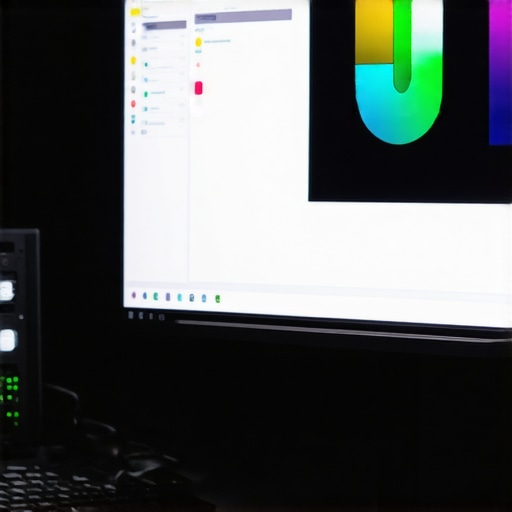
To visualize the complexities of metadata handling, an illustrative graphic displaying HDR signal flow, color management stages, and firmware interaction can be invaluable. A detailed diagram highlighting how metadata is interpreted and how calibration influences this process demonstrates the nuanced interplay between hardware and software modules critical for professional HDR workflows.
Harnessing the Power of Thermal Design to Sustain Brightness and Color Stability
One often overlooked aspect influencing HDR monitor performance is thermal management. Adequate heat dissipation ensures that the electronic components responsible for luminance and color processing operate within optimal temperature ranges, preventing performance throttling or calibration drift. Monitors equipped with advanced cooling solutions, such as vapor chambers or reinforced heat sinks, maintain consistent peak brightness and color accuracy during prolonged sessions. For professionals demanding unwavering precision, selecting models with high-quality thermal design is as crucial as the specifications themselves. Continuous operation at high luminance levels can strain lesser designs, leading to gradual degradation in display quality — a risk mitigated by choosing monitors engineered for thermal stability.
Integrating External Calibration Solutions for Peak Performance
While many monitors come with integrated calibration tools, external calibration hardware like X-Rite i1Pro or DisplayHDR certified devices offers unmatched precision and flexibility. These tools enable detailed profiling and calibration tailored to specific workflows, and often include advanced features like 3D LUT creation and validation. When combined with calibration software such as Calman or DisplayCAL, users can establish a rigorous calibration routine that accounts for ambient lighting conditions and project-specific requirements. This practice fortifies the reliability of color workflows, ensuring that every highlight, shadow, and nuance is rendered with consummate accuracy—key for high-stakes production environments.
What’s Next in HDR Monitoring Technology for Creative Professionals?
Emerging innovations such as quantum dot backlighting, OLED advancements, and AI-optimized calibration algorithms promise to elevate HDR monitor capabilities further. Quantum dot technology, for example, enhances color volume and efficiency, while AI-driven calibration routines adapt to incremental shifts in display characteristics, reducing manual intervention. Industry leaders are also exploring real-time dynamic tone mapping and metadata optimization methods that respond adaptively during content playback or editing. For professionals committed to maintaining a competitive edge, staying abreast of these technological trends and integrating them into workflows can significantly enhance the fidelity and efficiency of creative projects — an evolving landscape demanding continuous education and adaptive strategies.
Interested in refining your monitoring setup to meet these cutting-edge standards? Explore our comprehensive resources or contact industry experts for tailored advice on selecting and calibrating the ideal HDR monitors for your specific needs.
Elevate Your Visual Workflow with Advanced Calibration Techniques
Achieving impeccable HDR performance transcends mere hardware specifications; it requires meticulous calibration routines that align display output with precise industry standards. Expert calibration harnesses high-end colorimeters coupled with sophisticated software solutions to establish optimal gamma settings, luminance targets, and color primaries. This process ensures that high-dynamic-range content renders highlight details accurately, without clipping or ghosting—crucial for seamless integration in professional post-production environments. Regular recalibration, guided by comprehensive industry benchmarks such as those outlined by the Society of Motion Picture and Television Engineers (SMPTE), sustains consistent fidelity over time.
Questioning the Limits of Metadata Fidelity in Advanced HDR Settings
How do firmware inefficiencies impact the accurate interpretation of HDR metadata, especially during complex grading workflows? This question probes the core of metadata handling, which dictates how luminance and color information are mapped onto the display’s capabilities. Industry-reputed sources like IEEE’s standards on HDR signaling emphasize that compliant metadata processing is pivotal to prevent highlight clipping or unexpected contrast shifts. Monitors with dedicated internal processors that adhere strictly to CTA-2086 standards facilitate a more faithful reproduction of scene-specific luminance ranges, reinforcing the importance of hardware design in metadata management.
Can Hardware Innovations Secure Your Monitor’s Peak Brightness During Intensive Sessions?
Implementing cutting-edge thermal management solutions—such as vapor chamber cooling or reinforced heat dissipation layers—can significantly stabilize peak brightness output and color consistency during prolonged intensive tasks. Realizing the full potential of HDR technology relies on this synergy between thermal integrity and electronic stability. For professionals, selecting monitors with advanced thermal architectures minimizes performance degradation, safeguarding image fidelity during lengthy color grading or visual effects rendering. Industry reports highlight that such designs not only extend device longevity but also preserve calibration integrity, rendering them indispensable for high-end workflows.
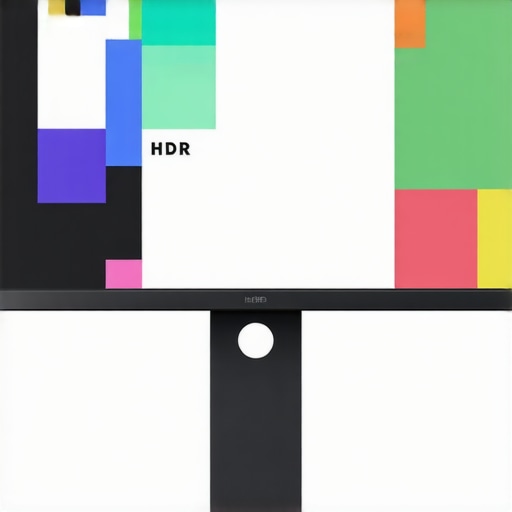
Visualize the importance of thermal design with a schematic illustrating heat flow management in premium HDR monitors, emphasizing components like vapor chambers and heat sinks integral to maintaining luminance stability.
Refining Gamut Management to Expand Visual Horizons
Wide color gamuts such as DCI-P3 and Rec. 2020 demand sophisticated mapping algorithms that prevent oversaturation and preserve color nuance. Manufacturers now deploy multi-layered gamut mapping strategies that dynamically adapt to content within the display pipeline, ensuring saturation levels remain within perceptible and accurate ranges. Integrating hardware calibration solutions with full-color management workflows results in precision rendering that aligns with creative intent. This is particularly vital when working on HDR content destined for cinematic releases or high-fidelity broadcasts, where color fidelity can influence storytelling impact.
Is Your Display’s Calibration Routine Aligned with Industry Giants’ Standards?
For truly reliable results, calibration routines must mirror the benchmarks set by standards organizations like SMPTE and CTA. Employing certified calibration devices, combined with software that supports LUT management and supports industry-specific color spaces, ensures that the monitor remains within acceptable tolerances. Additionally, adopting automated calibration schedules, facilitated by enterprise-grade hardware, minimizes human error and guarantees ongoing precision—fundamentals that top-tier studios depend on to deliver consistent, high-quality visuals.
Take Action Today to Elevate Your Monitoring Precision
Investing in comprehensive calibration protocols and selecting hardware designed for thermal stability and metadata accuracy will profoundly impact your creative output. Don’t settle for benchmarks alone—dive deeper into industry-leading practices and hardware integrations that define true professional-grade HDR monitoring. Our expert network is ready to guide you through optimizing your setup; contact us to discover how tailored calibration strategies can elevate your workflow to industry standards and beyond.
Refining Your Approach Will Amplify Visual Fidelity in HDR Work
These insights underscore the importance of ongoing calibration, metadata fidelity, thermal management, and gamut precision in achieving professional-grade HDR visuals. Implementing rigorous routines and staying abreast of technological advancements ensures your workflow remains at the forefront of industry standards.
Top Resources Trusted by Industry Experts
- Society of Motion Picture and Television Engineers (SMPTE): Offers comprehensive standards and guidelines critical for professional calibration and HDR workflows.
- IEEE HDR Signaling Protocols: Provides in-depth technical documentation on metadata handling and compliance, essential for ensuring consistency across devices.
- Calman Calibration Software: A widely adopted tool among professionals for precise calibration routines tailored for high-end monitors.
- X-Rite i1 Calibration Devices: Industry-standard hardware for establishing accurate color profiles and maintaining calibration stability over time.
- Industry White Papers on Gamut Mapping and HDR Metadata: Publications from leading labs and research institutions that explore advanced mapping techniques and fidelity preservation.
Your Next Step in Mastering Calibration and HDR Precision
Recognizing the nuances that differentiate ordinary displays from industry-standard calibration setups empowers you to make informed decisions. Elevate your expertise by engaging with authoritative resources and adopting best practices in monitor calibration, metadata management, and thermal design. For a tailored consultation or more in-depth guidance, consider connecting with industry specialists or exploring our curated content on professional monitor calibration. This commitment to excellence transforms your workflow into a pinnacle of precision and reliability in high-end HDR production.
About the Author