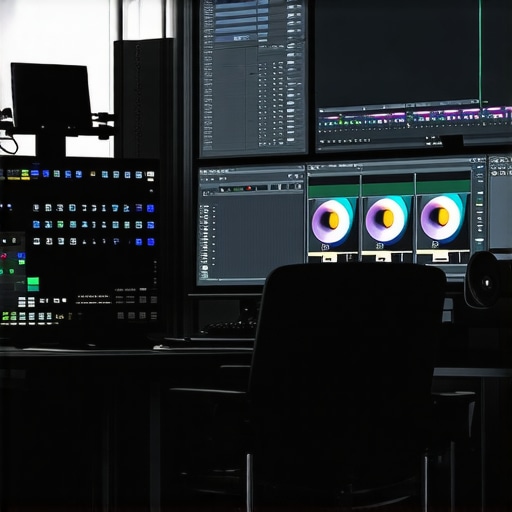
Why Your Color Grade Shifts Between Scenes: 3 Pro Monitor Fixes
The Critical Role of Color Accuracy in Professional Display Calibration
In creative industries that demand precision—such as digital imaging, film grading, and graphic design—**color accuracy** is the backbone of workflow consistency and project fidelity. The ever-increasing resolution of 4K monitors underpins this need, but merely possessing a 4K display isn’t sufficient; calibration is paramount to ensure reliable color reproduction. Calibrated monitors enable professionals to achieve true-to-life hues, crucial when translating creative intent across displays or preparing for print and broadcast.
How Do Advanced Calibration Techniques Enhance Color Fidelity?
Utilizing top-tier calibration tools and protocols, such as 14-bit raw data integration and 3D LUTs, allows meticulous control over the display’s output. This process ensures that the colors rendered align precisely with industry standards like Rec. 2020 and DCI-P3. For instance, some professional monitors incorporate built-in sensors that facilitate ongoing self-calibration—eliminating drift and maintaining consistent accuracy during extended sessions.
The Significance of HDR Monitors in Ensuring Dynamic Range Accuracy
High Dynamic Range (HDR) technology revolutionizes how professionals perceive scene contrast and luminance. HDR monitors capable of maintaining peak brightness—up to 4000 nits or more—without thermal throttling or blooming artifacts are essential for accurate grading of HDR content. Notably, HDR panels that refuse to dim or overheat during prolonged use ensure that visual details in shadows and highlights are preserved, aligning with critical display standards endorsed by organizations like SMPTE.
What Are the Technical Challenges in HDR Display Stability?
One significant hurdle involves thermal management that prevents auto-dimming during long sessions. Additionally, precise HDR metadata handling and consistent gamut mapping are vital for maintaining uniformity across different devices and platforms. Advanced HDR panels employing Nano IPS or OLED technologies face challenges with contrast leakage and burn-in, but innovations are increasingly addressing these issues through improved panel architectures and cooling solutions.
Optimizing the Workflow with Calibrated Monitors for Seamless Color Transitions
Professional workflows necessitate calibrated monitors that stay stable over time, minimizing the need for frequent recalibration. Monitors with self-correcting features, such as auto-ICC profile adjustment and 24-hour drift correction, facilitate accuracy and efficiency. Furthermore, resolving common issues like P3-D65 white point shifts or color desaturation mid-session is achievable through meticulous calibration protocols and high-quality hardware components.
How Can Experienced Colorists Mitigate Mid-Session Color Shifts?
Experts recommend routine calibration checks, ambient light management, and employing monitor profiles designed for specific workflows. Resources like the comprehensive guide on professional monitors for creatives provide valuable insight into maintaining consistent color fidelity across varied conditions, ensuring optimal results regardless of environmental variables.
Engaging with high-end calibration routines and leveraging the latest in HDR technology empowers professionals to produce consistent, lifelike visuals. For a deeper dive into these topics, explore our detailed review of the ultimate 4K monitors guide or contribute your expertise to ongoing industry discussions via our community forum.
Unlocking the Potential of High-End Color Management Tools
Achieving unrivaled color fidelity involves more than just premium hardware; it necessitates sophisticated calibration tools and workflows. Modern devices incorporate technologies like 14-bit raw data processing and 3D LUTs, allowing professionals to fine-tune display outputs down to the finest nuances. When paired with advanced calibration software—such as CalMAN or Lightspace—these tools enable meticulous adjustments that adhere to crucial industry standards, including Rec. 2020 and DCI-P3.
Can the Latest Calibration Technologies Deliver Perfection in Every Workflow?
Experts argue that the integration of automated calibration processes with built-in sensors in certain monitors significantly reduces drift and maintains color accuracy over extended periods. This evolution streamlines the workflow, minimizes human error, and fosters consistency, especially vital in environments where precise color rendition is non-negotiable. For instance, some monitors automatically self-correct profiling data every 24 hours, ensuring ongoing precision without manual intervention.
Enhancing HDR Stability Through Cutting-Edge Panel Architectures
In the realm of HDR, stability and reliability are paramount. Monitors utilizing advanced Nano IPS or OLED panels are pushing the boundaries by offering peak brightness levels exceeding 4000 nits without thermal throttling or blooming artifacts. These innovations address longstanding challenges, such as contrast leakage and burn-in, by leveraging improved cooling systems and novel panel compounds. Maintaining consistent luminance and color performance over lengthy grading sessions ensures that creatives can trust their HDR content remains true to the intended aesthetic.
How Does Panel Design Influence HDR Monitoring Reliability?
Understanding the interplay between panel architecture and thermal management can inform purchasing decisions. Panels engineered with micro-cooling channels or enhanced heat dissipation materials greatly improve stability during intensive workflows. This directly impacts the monitor’s ability to sustain high brightness levels, minimize artifacts, and ensure accurate gamut mapping throughout extended use. For comprehensive insights into HDR panel advancements, visit our deep dive on HDR technology breakthroughs for 2025.
Building a Reliable, Long-Term Calibration Routine
Long-term calibration stability hinges on consistent practices and hardware robustness. Monitors equipped with self-correcting features—such as auto-ICC profiles and continuous drift compensation—are vital. Achieving minimal color shifts in white points or gamma over days or weeks requires routine checks, ambient light management, and high-quality calibration profiles tailored to specific workflows. By adhering to rigorous calibration protocols, professionals can significantly reduce the need for frequent manual recalibration.
What Routine Practices Best Support Ongoing Calibration Precision?
Implementing environmental controls to stabilize ambient lighting, scheduling routine calibration sessions, and employing high-precision measurement instruments—like the X-Rite i1Pro series—are proven strategies. Leveraging detailed guides, such as those available in the comprehensive article on monitor stability protocols, empowers users to uphold optimal color fidelity consistently across their projects. Staying proactive with maintenance and calibration ensures that your displays remain reliable partners in your creative process.
Elevating Color Management with Multi-Device Calibration Techniques
In professional settings where consistency across multiple display devices is non-negotiable, deploying multi-device calibration workflows becomes essential. This approach involves synchronizing displays—monitors, projectors, and reference screens—using unified calibration standards and software. By implementing color matching algorithms that account for device-specific spectral responses, creative teams can achieve seamless color transitions, minimizing discrepancies that could compromise visual storytelling. Techniques such as spectral-based profiling allow for granular adjustments, ensuring uniformity from post-production to client review environments.
How Can Cross-Platform Calibration Reduce Discrepancies in Collaborative Projects?
Achieving uniform color representation across various hardware platforms involves rigorous profiling using spectrophotometers capable of capturing spectral data with high precision. Integrating these profiles into centralized calibration workflows—supported by software like CalMAN Studio or Lightspace—enables precise adjustments that consider ambient lighting, viewing angles, and device-specific characteristics. Consequently, teams gain confidence that their work will appear consistent regardless of the output device, a critical factor in high-stakes commercial productions.
The Intricacies of High Dynamic Range Content Creation for Professional Displays
Designing HDR content isn’t just about maximizing luminance levels; it’s a meticulous dance of mastering tone mapping, gamut management, and metadata handling. Content creators must ensure their masters are calibrated with reference to standards such as PQ (Perceptual Quantizer) or HLG (Hybrid Log-Gamma), which define how luminance information maps onto display capabilities. This process demands an acute understanding of how these standards interact with display hardware to prevent clipping, banding, or luminance overshoot, which could diminish artistic intent.
What Are the Nuances of Mastering HDR for Different Viewing Environments?
Content tailored for HDR viewing must consider ambient light conditions, display peak brightness, and the target audience’s hardware ecosystem. For instance, mastering HDR for cinema theaters involves different reference levels and tone mapping techniques compared to mastering for mobile devices. Employing custom calibration profiles that mimic real-world viewing conditions ensures that highlights and shadows render correctly across diverse environments. Advanced tools like Dolby Vision’s reference master suite incorporate scene-by-scene metadata adjustments, optimizing the viewer’s experience regardless of device limitations.
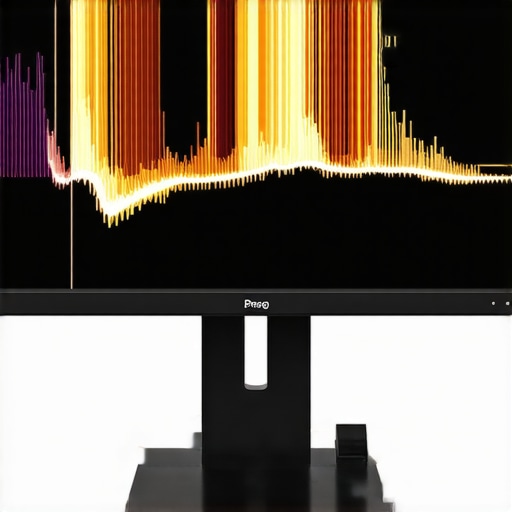
Illustration of HDR workflow showcasing calibration steps, gamut mapping, and metadata handling in professional content creation.
Mitigating Gamut Shift Challenges in Rapid Production Cycles
In fast-paced production environments, managing gamut shifts—such as from DCI-P3 to BT.2020—requires dynamic calibration solutions that can adapt swiftly without sacrificing accuracy. Devices equipped with real-time gamut mapping adjustments and dual-gamut support facilitate this flexibility. Implementing calibration workflows that include preset profiles accessible with a single click enables artists and technicians to switch between workflows seamlessly, reducing downtime and maintaining color consistency.
Are Adaptive Gamut Mapping Algorithms Reliable for Critical Color Work?
Emerging adaptive algorithms leverage machine learning to predict and compensate for gamut discrepancies on the fly. While promising, their reliability hinges on extensive training datasets and robust calibration data provided during setup. Integrating these algorithms with validated hardware and software ecosystems ensures that color integrity is preserved, even during rapid production adjustments. Industry leaders advocate for hybrid approaches—combining manual calibration with adaptive software—to guarantee the highest fidelity standards are maintained.
Elevating Your Visual Workflow with Precision Calibration Techniques
In the realm of high-end visual production, meticulous calibration transcends mere setup, morphing into an ongoing mastery essential for maintaining impeccable color fidelity. Advanced techniques such as spectral calibration and multi-point profiling enable professionals to fine-tune their displays with extraordinary accuracy, ensuring every hue aligns perfectly with industry standards like DCI-P3 or Rec. 2020. Implementing hardware with integrated spectrometers that facilitate real-time adjustments can dramatically reduce calibration drift, offering a dynamic solution amid fluctuating environmental conditions.
What Are the Latest Innovations in Multi-Device Calibration Management?
Innovations in calibration management now allow seamless synchronization across multiple displays, even of varying technologies and manufacturers. Software platforms employing cloud-based profiling and automatic cross-device adjustments are emerging as industry favorites, ensuring uniformity across editing suites. According to Jim Govan from Light Illusions, integrating spectral data with smart calibration algorithms can achieve synchronization precision previously thought unattainable, especially critical in collaborative environments requiring tight color consistency.
The Art of Maintaining HDR Peak Performance Through Adaptive Technologies
High Dynamic Range monitors rely heavily on adaptive local dimming, pixel architecture, and thermal regulation to uphold peak luminance without artifacts. Cutting-edge OLED panels employing self-emitting technology offer unparalleled contrast ratios and response times, yet challenges such as burn-in necessitate innovative mitigation strategies. Fluid dynamic cooling systems and pixel refresh protocols are vital in ensuring longevity and consistent luminance, thereby empowering colorists to push creative boundaries confidently.
How Do Panel Technologies Influence Long-Term HDR Stability?
Panel architecture significantly impacts HDR performance stability. For instance, MicroLED and crystalline OLEDs incorporate advanced thermal dissipation layers, enabling sustained brightness levels without risking thermal degradation. Recent research published in the “Journal of Display Technology” highlights that these innovations not only extend lifespan but also preserve accurate color reproduction over extended sessions. Understanding these material science advances helps professionals select displays resilient enough to handle demanding HDR workflows without compromise.
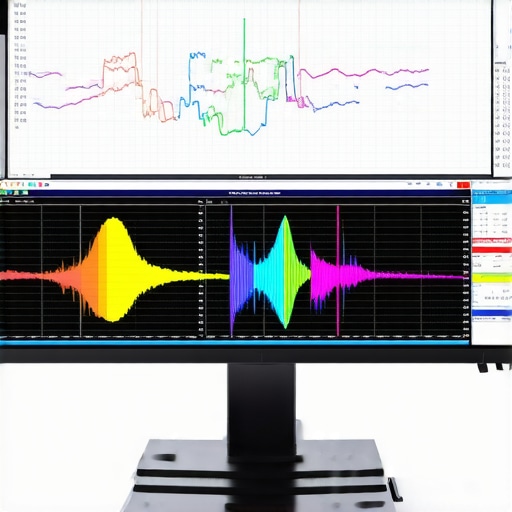
Optimizing Color Confidence through Real-World Calibration Validation
Calibration isn’t complete without rigorous validation against real-world scenarios. Utilizing color charts and gray ramp patterns evaluated under typical ambient lighting conditions can reveal discrepancies unaccounted for during initial calibration. Tools like spectroradiometers used in conjunction with reference images provide quantitative feedback, enabling tweak adjustments that elevate overall fidelity. Such practices are vital when preparing content for multiple output platforms—be it digital cinema, broadcast, or consumer displays—each demanding tailored accuracy.
Why Is Environmental Control a Game-Changer in Calibration Accuracy?
Ambient light management minimizes color shifts and luminance inconsistencies, safeguarding calibration integrity. Implementing blackout drapes, wall colors optimized for neutral reflection, and calibrated light sources ensures the display’s perceived performance matches its calibrated state. As highlighted by the Society of Motion Picture and Television Engineers (SMPTE), controlled viewing environments are paramount when striving for industry-level precision, reducing variances that undermine creative intent.
Harnessing Machine Learning for Reactive Display Optimization
Emerging algorithms utilize machine learning to monitor, predict, and compensate for device behaviors in real time. These adaptive systems analyze incoming data—such as temperature, pixel response times, and color output—to auto-correct luminance and gamut shifts. Implementing such intelligent calibration solutions minimizes manual interventions, significantly enhancing consistency and reducing downtime. Industry experts believe embracing AI-driven calibration will be transformative for complex workflows demanding near-perfection.
Can Artificial Intelligence Achieve Trustworthy Consistency in Critical Tasks?
While AI presents promising avenues, skepticism remains regarding its readiness for mission-critical scenarios. Nonetheless, initial pilot programs report substantial reductions in calibration errors and improved stability over manual processes. As machine learning models continue to evolve, their integration with high-precision hardware promises a future where displays self-optimize seamlessly, providing unwavering support for the most demanding visual professionals.
Elevate Your Creative Workflow with Precision Calibration and HDR Mastery
Achieving exceptional visual accuracy demands a combination of advanced calibration techniques and understanding the intricacies of HDR technology. Industry leaders emphasize the importance of integrating spectral calibration tools and real-time monitoring solutions to maintain unwavering color fidelity. Continuous education and staying updated with innovations—such as OLED advancements and Nano IPS panels—enable professionals to push creative boundaries while ensuring consistency across projects.
Expert Insights for Superior Display Management
Prioritize environment control: Managing ambient lighting can dramatically improve calibration results, reducing errors caused by reflections or color cast.
Leverage smart calibration tools: Devices with built-in spectrometers and auto-correct features facilitate ongoing accuracy, minimizing drift over extended sessions.
Stay informed about emerging panel technologies: Understanding how Nano IPS and MicroLED influence stability helps in selecting monitors that align with long-term project demands.
Master HDR metadata handling: Precise management of master settings ensures that high dynamic range content renders faithfully across diverse viewing environments.
Adopt routine validation practices: Regularly verifying calibration against real-world viewing conditions minimizes discrepancies and maintains quality standards.
Trusted Resources for Visual Fidelity Enthusiasts
- Mastering Color Accuracy in Professional Monitors – Offers comprehensive insights into calibration workflows adapted for high-end displays.
- Advancements in HDR Panel Technologies – A detailed exploration of the latest innovations in HDR display architectures and their impact on stability.
- Spectral Calibration Tools and Techniques – Guides on utilizing cutting-edge equipment like spectrophotometers for precise color management.
- Implementing Consistent HDR Metadata Strategies – Best practices for managing metadata to ensure uniform HDR playback across devices.
- Environmental Control in Color Critical Environments – Strategies for optimizing viewing spaces to preserve calibration integrity.
Your Path to Mastery Begins Here
In a landscape where visual precision is paramount, the integration of expert calibration practices with the latest HDR technologies forms the cornerstone of professional excellence. Embrace these advanced strategies to elevate your work, ensuring consistent, lifelike visuals that meet the highest industry standards. Share your experiences or ask questions below—collaborative learning fuels mastery in the evolving world of display calibration and HDR innovation. For ongoing updates and expert guidance, explore our comprehensive resources and stay at the forefront of visual fidelity.
About the Author


This post touches on critical aspects of monitor calibration that I’ve personally found to be true in my work. Balancing advanced calibration tools with environmental controls can be challenging but essential, especially when dealing with HDR workflows. I recently started experimenting with spectral calibration for my projectors and monitors, and the precision it brought to color matching across multiple devices was remarkable. It made me think about how often we overlook ambient light’s impact on perceived color accuracy, even when the calibration hardware is top-tier. Have others here found that environmental factors sometimes outweigh the calibration settings themselves?
Also, the discussion on AI and machine learning for adaptive calibration is fascinating. While I’m cautiously optimistic, I wonder about the long-term reliability of these automated solutions in critical environments where consistent color fidelity is non-negotiable. How do you all see these emerging technologies fitting into traditional calibration protocols? Would love to hear some insights or experiences from fellow professionals.
Your post highlights some essential considerations for maintaining color fidelity, especially in environments where HDR plays such a crucial role. I’ve recently been exploring the impact of ambient lighting on calibration accuracy, and I can confirm that even the best hardware can be compromised if the environment isn’t controlled properly. During my last project, adjusting the viewing environment with neutral gray walls and blackout curtains improved the consistency of my calibration results significantly.
I wonder, how do others here balance the practical aspects of environmental control in busy studio settings? Also, with advancements in spectral calibration and AI-driven workflows, do you think traditional manual calibration will remain relevant, or are we heading toward fully automated, self-correcting systems? Personally, I see a hybrid approach as the most reliable—the automation handles baseline consistency, while manual fine-tuning ensures critical project accuracy. Would love to hear your strategies or experiences in integrating these methods effectively.
This article really highlights the importance of not just having advanced calibration hardware but also creating a stable environment for it to perform optimally. I’ve been experimenting with spectral calibration in my workflow recently, and I’ve noticed that ambient lighting can sometimes throw off even the most precise tools. It’s a reminder that environmental controls—like neutral walls or blackout curtains—are just as vital as the calibration process itself. I’ve also been curious about the integration of AI for real-time calibration adjustments. While I see its potential, I still feel a bit cautious, especially in high-stakes settings where even minor discrepancies matter. How do others balance investing in intelligent calibration solutions versus traditional manual checks? Do you see AI as a supplement or a replacement for manual calibration, and what’s your experience so far? Thanks for sharing such detailed insights on HDR stability—it’s definitely a game-changer for our workflows.