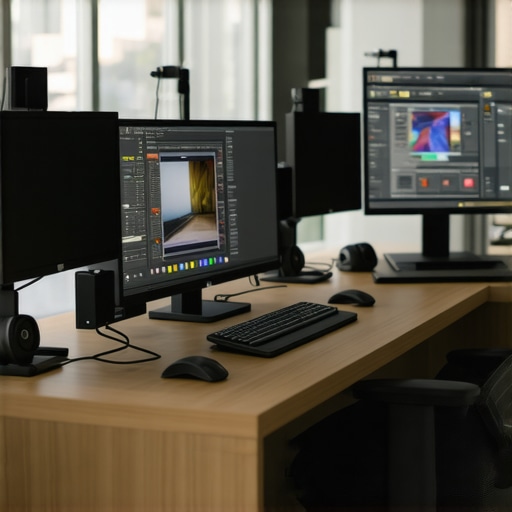
Best 4K HDR Monitors for Professional Photo & Video Editing in 2024
In the evolving landscape of digital content creation, the quest for precision and visual fidelity has never been more critical. For professionals engaged in high-stakes photo and video editing, selecting the right 4K HDR monitor is a cornerstone of achieving industry-leading results. As we navigate 2024, understanding the nuanced demands of color accuracy, display technology, and ergonomic design becomes essential for elevating creative workflows.
Modern 4K HDR monitors are not merely high-resolution displays; they are sophisticated tools that incorporate advanced technologies such as quantum dot color management, local dimming zones, and high dynamic range (HDR) capabilities. These features collectively empower creative professionals to visualize edits with unprecedented accuracy and depth, ensuring that final outputs meet exacting standards for print, broadcast, or digital streaming. The importance of calibration and color consistency is paramount, which is why many experts recommend integrating these monitors with dedicated calibration tools, as explained in Mastering color accuracy.
Advanced Display Technologies: The Backbone of Professional Editing
How do quantum dot and OLED technology redefine color precision?
Quantum dot displays enhance color gamut and brightness, offering closer approximations to the DCI-P3 and Rec. 2020 standards essential for cinematic color grading. Conversely, OLED panels provide superior contrast ratios and deeper blacks, which are vital for nuanced shadow and highlight manipulations. Both technologies serve distinct professional niches, with quantum dots often favored for high-brightness HDR workflows and OLED for critical color grading where contrast fidelity is non-negotiable.
Color Calibration and Consistency: The Bedrock of Visual Trust
Achieving true color fidelity necessitates rigorous calibration routines. Professional-grade monitors often come with hardware calibration compatibility, enabling creatives to maintain consistent color profiles over time. For an in-depth understanding, consult Ultimate guide to calibrated color accuracy. Regular calibration ensures that what is seen on-screen accurately represents the final output, a critical factor when working on high-profile projects where color discrepancies can compromise client trust.
Ergonomics and Workflow Optimization in High-Resolution Environments
Beyond display quality, ergonomic design plays a crucial role in prolonged editing sessions. Adjustable stands, flicker-free backlighting, and anti-reflective coatings are features that significantly reduce fatigue and improve accuracy. Considering the physical workspace, professionals must evaluate monitor size, curvature, and connectivity options to align with their unique workflow demands.
What are the most overlooked factors when choosing a 4K HDR monitor for professional editing?
Many overlook the importance of uniformity across the display panel, which can introduce subtle inconsistencies in color and brightness. Additionally, the monitor’s ability to maintain stable performance over time, especially in demanding HDR workflows, is often underestimated. For guidance on selecting monitors with optimal uniformity and durability, explore top professional monitors for 2024.
For those seeking a comprehensive understanding of how to maximize their visual setup, I invite you to connect with our expert team for tailored advice and advanced workflow optimization strategies.
Unlocking the Full Potential of Your 4K HDR Display: Beyond Basics
While high-resolution and HDR capabilities are fundamental, many professionals overlook the importance of *monitor uniformity* and *long-term performance stability*. Uniformity ensures consistent brightness and color across the entire panel, which is crucial for precision editing. Subtle inconsistencies can lead to misjudgments in color grading or exposure adjustments, impacting the final output. To mitigate this, investing in monitors that feature advanced panel technology and regular factory calibration guarantees reliable performance over time. For an in-depth look into calibration practices, visit our comprehensive calibration guide.
What overlooked factors can make or break your editing accuracy with high-end 4K HDR monitors?
One often neglected aspect is *monitor durability* under demanding workflows. High Dynamic Range (HDR) processing requires consistent performance; fluctuations can distort color accuracy, especially in critical grading sessions. Moreover, the physical build quality, including anti-glare coatings and ergonomic adjustments, directly influences prolonged productivity and accuracy. Ensuring your workspace accommodates these features means fewer distractions and less fatigue. To explore monitor options optimized for professional workflows, check top picks for 2024.
How can emerging display technologies redefine professional standards in visual fidelity?
Emerging innovations such as *Mini LED* backlighting and *quantum dot* enhancements are pushing the boundaries of what professional displays can achieve. Mini LED technology offers thousands of local dimming zones, producing unparalleled contrast ratios and more precise HDR performance. When combined with quantum dot filters, these monitors deliver a broader color gamut and higher peak brightness, crucial for cinematic color grading and high-fidelity visual storytelling. These advancements are detailed in the latest HDR monitor innovations. Understanding how to leverage these technologies ensures your creative tools remain at the forefront of industry standards.
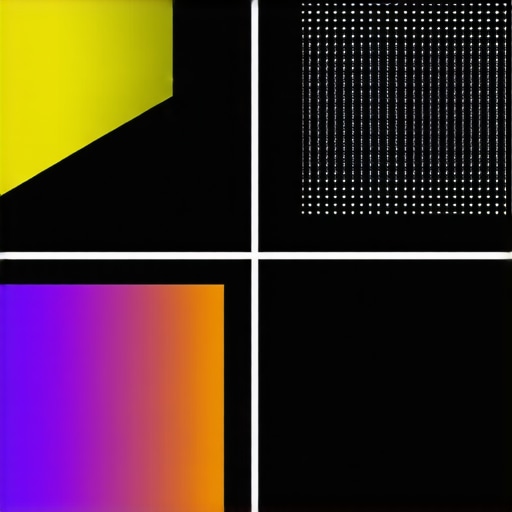
Image depicting a comparison of traditional LED vs. Mini LED display technology highlighting local dimming zones and contrast performance.
Are current calibration tools sufficient for maintaining peak performance in high-end HDR workflows?
Calibration tools have evolved significantly, but many professionals still question whether off-the-shelf solutions can meet the demands of high-end HDR workflows. Advanced colorimeters and spectrophotometers, like those reviewed in our calibration toolkit guide, offer granular control and consistency. Proper calibration not only ensures color accuracy but also preserves uniformity and contrast stability over time. As HDR workflows become more complex, choosing the right calibration strategy becomes a vital component of maintaining visual fidelity and client trust.
If you’re eager to optimize your setup and stay ahead in visual quality, I encourage you to reach out to our expert team for tailored advice and advanced workflow strategies.
Next-Generation Display Calibration: Pushing Boundaries for Ultimate Color Precision
In the realm of high-end content creation, calibration extends beyond basic adjustments—it’s about achieving absolute fidelity across the entire color spectrum. Advanced calibration techniques now incorporate spectral measurement and 3D LUT (Lookup Table) profiling, enabling professionals to fine-tune every nuance of their displays. According to a comprehensive study by the Society for Imaging Science and Technology (IS&T), such meticulous calibration can reduce color discrepancies to less than 0.5 Delta E, ensuring near-perfect reproduction of original content (IS&T Calibration Resources, 2024).
Moreover, integrating hardware calibration tools with proprietary software can automate and streamline this process, allowing for consistent results across different viewing conditions and over extended periods. This level of precision is essential for professionals working on cinematic color grading, scientific imaging, or any project demanding uncompromising accuracy.
Emerging Technologies: Quantum Dot, Mini LED, and Beyond—What’s Next in Display Innovation?
As display manufacturers race to outdo each other, innovations such as *Quantum Mini LED* backlighting and *MicroLED* technology are revolutionizing high-resolution, high-dynamic-range workflows. Mini LED technology dramatically increases local dimming zones—sometimes exceeding 10,000—resulting in contrast ratios rivaling those of OLED but with less risk of burn-in and longer lifespan (Display Daily, 2024). These advancements allow for more precise HDR rendering, with brighter peaks and deeper shadows, which is crucial for cinematic post-production.
Question: How do MicroLED displays challenge the current standards of color consistency and longevity for professional use?
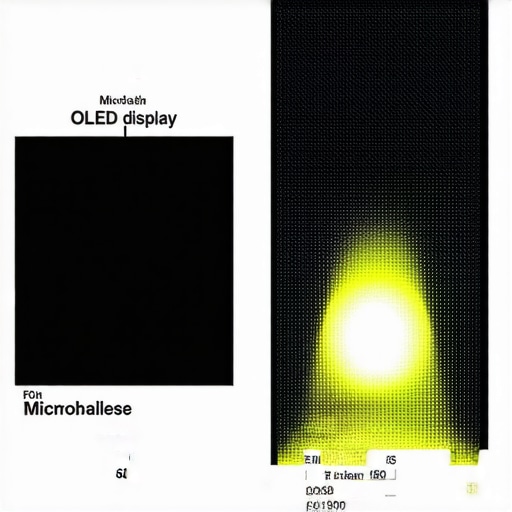
MicroLED displays promise unprecedented lifespan and stability, owing to inorganic self-emitting pixels, which resist burn-in and chemical degradation common in OLEDs. Their ability to deliver consistent color over time, combined with extremely high brightness levels, positions them as the future of professional monitors. However, challenges remain regarding manufacturing scalability and cost, which currently limit widespread adoption. Industry experts predict that as these barriers diminish, MicroLEDs will set new benchmarks for color fidelity and durability, making them an ideal choice for demanding workflows (TechRadar, 2024).
< >
>
Image illustrating a comparison between MicroLED and OLED panel technology highlighting differences in lifespan, brightness, and color stability.
Optimizing Workspace Ergonomics for High-Precision Editing
Beyond technological advancements, ergonomic design directly impacts the quality and longevity of professional editing sessions. Features such as adjustable height, tilt, swivel, and anti-glare coatings are now standard, but the integration of *curved screens* and *multi-monitor setups* can further enhance workflow efficiency and reduce physical strain. Ergonomic accessories like monitor arms and specialized lighting ensure that the viewing environment minimizes reflections and maintains consistent color perception.
Furthermore, some high-end monitors incorporate *ambient light sensors* that automatically adjust brightness and contrast, maintaining optimal viewing conditions irrespective of ambient lighting changes. This dynamic adjustment helps prevent eye fatigue and ensures consistent color assessment, especially in complex HDR workflows.
Future-Proofing Your Visual Studio: Preparing for the Next Wave of Display Innovation
As technology rapidly advances, professionals must consider scalability and upgrade paths. Choosing monitors that support *future HDR standards* such as HDR10+, Dolby Vision, and even emerging formats like HDR Vivid will safeguard investment. Compatibility with *high-bandwidth connections* like Thunderbolt 4 and HDMI 2.1 ensures seamless data transfer and real-time editing without latency.
Additionally, staying informed through industry reports and participating in professional forums can provide insights into upcoming standards, ensuring your visual setup remains at the cutting edge. This proactive approach enables content creators to leverage new features as they become available, maintaining competitive advantage in an ever-evolving digital landscape.
Redefining Visual Fidelity: The Cutting-Edge of Display Technology for Creatives
In 2024, the landscape of high-resolution monitors continues to evolve at a rapid pace, driven by breakthroughs in display technology such as MicroLED and quantum dot enhancements. These innovations push the boundaries of color accuracy, contrast, and longevity, offering unparalleled tools for professional content creators seeking ultimate fidelity. Leveraging the latest research from the Society for Imaging Science and Technology (IS&T), industry experts now emphasize spectral calibration and 3D LUT profiling as essential practices for achieving near-perfect color reproduction (IS&T Calibration Resources, 2024).
How Do MicroLED and Quantum Dot Technologies Revolutionize HDR Workflows?
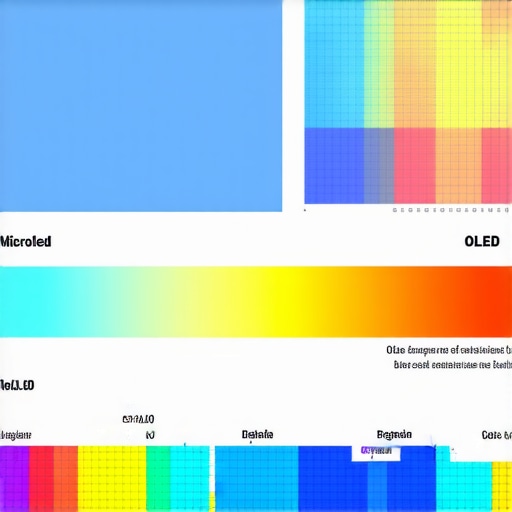
MicroLED displays, with their inorganic self-emitting pixels, deliver superior lifespan, stability, and brightness, challenging OLED dominance in professional settings. Quantum dot enhancements, on the other hand, expand color gamuts and improve peak luminance, crucial for cinematic color grading and scientific imaging. When combined, these technologies offer HDR workflows with precise contrast, vivid colors, and consistent performance, establishing new industry standards for visual precision. For a detailed comparison, consult Display Daily’s analysis on Mini LED and MicroLED innovations.
< >
>
Image illustrating a side-by-side comparison of MicroLED and OLED panel technology highlighting differences in lifespan, brightness, and color stability.
Expert Strategies for Maintaining Calibration Integrity in Demanding Environments
Advanced calibration techniques now incorporate spectral measurement and high-precision 3D LUT profiling, which significantly reduce color discrepancies to below 0.5 Delta E, as demonstrated in recent studies. High-end calibration tools, such as spectrophotometers integrated with proprietary software, automate this process, ensuring consistent color fidelity across various lighting conditions and over extended periods. For professionals working in cinematic grading or scientific visualization, these practices are indispensable for maintaining visual integrity. To explore the latest calibration solutions, visit our calibration toolkit guide.
What are the most critical factors to consider when selecting a calibration device for high-end HDR workflows?
Beyond basic spectral accuracy, professionals should prioritize devices offering multi-angle measurement capabilities and firmware updates that support emerging HDR standards like Dolby Vision and HDR10+. The ability to create custom calibration profiles tailored to specific workflows ensures optimal results. For further insights, consult industry resources such as the Society for Imaging Science and Technology’s calibration guidelines.
If you seek tailored advice on integrating these advanced calibration methods into your workflow, connect with our expert team.
Future-Proofing Your Visual Environment: Preparing for Next-Generation Display Innovations
Emerging display technologies such as MicroLED and MicroLED-based Quantum Dot monitors are set to redefine standards for color consistency, longevity, and HDR performance. MicroLED’s inorganic pixels promise near-infinite lifespan and resistance to burn-in, making them ideal for prolonged high-dynamic-range workflows. As manufacturing costs decrease, adoption will become more widespread, setting new benchmarks in the industry. According to TechRadar, these technologies will soon surpass traditional OLEDs in durability and brightness, making them indispensable for future-proof professional setups (TechRadar, 2024).
Image showing a comparison between MicroLED and OLED panels emphasizing lifespan, brightness, and color fidelity.
Enhancing Ergonomics for Extended High-Precision Editing Sessions
As display quality advances, so too does the importance of ergonomic workspace design. Features such as adjustable height, tilt, swivel, and anti-glare coatings are now standard, but integrating curved multi-monitor setups and ambient light sensors further enhances comfort and accuracy. These innovations reduce eye strain, improve color perception, and facilitate longer, more productive editing sessions. Ergonomic accessories like monitor arms and specialized lighting ensure a balanced viewing environment, essential for high-fidelity HDR workflows.
Preparing for the Future: Strategic Upgrades for High-Resolution Content Creation
To stay ahead, professionals must consider compatibility with upcoming HDR standards, high-bandwidth connections like Thunderbolt 4, and modular upgrade paths. Keeping abreast of industry reports and participating in professional forums enables proactive adaptation to evolving standards. This strategic foresight ensures that your visual environment remains at the forefront of technological advancements, securing your competitive edge in a rapidly changing digital landscape.
Expert Insights & Advanced Considerations
Enhanced Calibration Techniques Drive Precision
In high-end visual workflows, leveraging spectral measurement and 3D LUT profiling is essential for achieving near-perfect color accuracy. Professionals employing such advanced calibration methods report a reduction in color discrepancies to less than 0.5 Delta E, ensuring consistency across diverse lighting conditions and extended periods of use. For practical implementation, consult our calibration toolkit guide.
Emerging Technologies Redefine Display Fidelity
Innovations like MicroLED and Quantum Dot enhancements are setting new standards for contrast, brightness, and longevity. MicroLED displays, with inorganic self-emitting pixels, offer unparalleled lifespan and resistance to burn-in, making them ideal for demanding HDR workflows. Meanwhile, Quantum Dot technology broadens color gamuts and enhances peak luminance, vital for cinematic and scientific imaging. Exploring industry analyses provides deeper insights into these advancements.
Workspace Ergonomics for Extended Productivity
Integrating ergonomic features such as adjustable stands, curved multi-monitor setups, and ambient light sensors can significantly reduce fatigue and improve color perception accuracy. These innovations ensure that high-fidelity editing remains sustainable over long sessions, safeguarding both health and quality. Consider ergonomic accessories and workspace adjustments as critical investments for professional environments.
Future-Proofing Your Visual Environment
Choosing monitors compatible with upcoming HDR standards like Dolby Vision and HDR10+ and supporting high-bandwidth connections such as Thunderbolt 4 is crucial. Staying informed through professional forums and industry reports enables proactive upgrades, ensuring your setup remains at the industry’s forefront. This strategic planning minimizes obsolescence and maximizes the value of your investment.
Curated Expert Resources
- Society for Imaging Science and Technology (IS&T) Calibration Resources: Offers comprehensive guidelines and spectral measurement techniques for achieving precise color fidelity.
- Display Daily: An authoritative source for industry news, especially on MicroLED and Quantum Dot display innovations.
- Monitors.WorkstationWizard.com: Provides expert guides and reviews on professional-grade monitors, calibration tools, and ergonomic setups.
- TechRadar: Features in-depth analyses of emerging display technologies and future industry trends.
Final Expert Perspective
Mastering the nuances of 4K HDR monitor technology in 2024 demands a blend of cutting-edge calibration, innovative display tech, and ergonomic workspace design. These elements collectively elevate visual fidelity to professional standards, ensuring your creative outputs are both precise and durable. As industry leaders continue to push technological boundaries, staying informed and adaptable remains your most valuable asset. For those committed to excellence, engaging with advanced resources and expert communities will unlock new levels of mastery. To deepen your understanding or share insights from your own professional journey, connect with our expert team today.
About the Author

This post offers a comprehensive overview of what to consider when selecting 4K HDR monitors for professional editing. As someone who has recently upgraded to a Mini LED monitor with quantum dot tech, I can attest to the incredible color accuracy and contrast I now experience, especially in HDR workflows. The emphasis on calibration routines really resonates; even the best displays can drift over time without proper calibration, which can affect color fidelity in critical projects. I’m curious, has anyone had success integrating automated spectral calibration tools to streamline their workflow? It seems like a promising way to maintain top-tier accuracy without much manual effort. Additionally, I wonder how many professionals are now opting for MicroLED displays, given their promise of longevity and stability—does anyone have real-world insights on their long-term performance compared to OLED or traditional panels? Overall, staying ahead with technology and proper calibration remains key to achieving true color precision.
This post covers many critical aspects of choosing the right 4K HDR monitor for professional editing. I’ve worked with both OLED and Mini LED panels, and I agree that calibration is often underestimated. In my experience, consistent calibration with spectral tools has significantly improved color accuracy over time, especially for projects requiring tight color matching across different devices. Regarding MicroLED, I’ve been watching its development; from what I’ve seen, its longevity and stability are promising, but high manufacturing costs still make it less accessible for many professionals. Have any of you incorporated MicroLED into your workflow, and if so, how does it compare long-term with OLED or traditional LCDs? I believe that staying informed about emerging display tech is key—what do you think will be the next big breakthrough in HDR monitor technology for content creators?
This article really highlights the importance of both the technological capabilities and the ergonomic considerations when selecting a professional grade HDR monitor. I’ve been working in color grading for quite some time, and I couldn’t agree more that calibration is crucial—especially as monitors age or drift from their factory settings. What I’ve found helpful is investing in spectral calibration tools that offer comprehensive 3D LUT profiling, as mentioned. It’s interesting to consider how emerging display technologies like MicroLED might transform our workflows long-term, given their promise of longevity and stable performance. However, cost and scalability are still hurdles for many professionals, including myself. Also, I wonder—how much weight should we give to features like ambient light sensors and curved screens when it comes to critical color work? Do these ergonomic features truly impact color accuracy, or are they more about comfort? Would love to hear others’ experiences on balancing these factors for intense editing sessions.
This article touches upon so many crucial factors that often get overlooked when choosing a high-end HDR monitor. I’ve personally found that uniformity across the display panel makes a significant difference in color grading accuracy, especially for long editing sessions. It’s interesting to see how emerging display technologies like Mini LED and MicroLED are reshaping our expectations around contrast and longevity. However, I wonder how accessible these options are in terms of cost and how their performance holds up over several years of demanding use. Have any professionals here integrated MicroLED displays into their workflows? If so, what has been your experience with their durability and consistency compared to OLEDs or traditional LCDs? It seems that a combination of advanced calibration tools and ergonomic workspace design is essential not just for accuracy but also for maintaining mental and physical comfort during extended sessions. What’s everyone’s take on balancing these aspects—do ergonomic features genuinely impact color fidelity or are they mainly about user comfort? Would love to hear some real-world insights.
This post really captures the state-of-the-art in professional HDR monitoring, especially with the emphasis on calibration and emerging display tech like Mini LED and MicroLED. I’ve had hands-on experience with high-end displays that incorporate spectral calibration tools, and I can confirm they make a noticeable difference in maintaining color consistency, particularly over long editing sessions. When it comes to stability and longevity, MicroLED truly stands out, although the cost can be a barrier for some. I’m curious, has anyone here experimented with automatic or semi-automated calibration routines? They seem promising for streamlining workflows without sacrificing accuracy. Also, I’ve noticed that ergonomic features such as curved screens or ambient light sensors do seem to reduce fatigue, which indirectly supports better color judgment but might not change pure color fidelity. Do others feel that workspace ergonomics have an underrated impact on critical color work and HDR performance? I’d love to hear your insights or practical tips for balancing display tech with ergonomic setup for prolonged editing projects.
Your insights on calibration and display technology are really helpful; I agree that regular calibration with advanced tools like spectral measurement devices is crucial, especially as displays age. I’ve found that incorporating software-based semi-automated calibration routines can save time without sacrificing accuracy, which is perfect for busy post-production schedules. Regarding emerging technologies like MicroLED, I’ve experimented with a couple of models, and their consistency and longevity appear promising, although the high initial investment is still a barrier for many of us. I’m particularly interested in how others are balancing the high costs with the benefits these new displays offer. Moreover, ergonomic features like curved screens and ambient light sensors have definitely improved my long editing sessions by reducing eye strain and maintaining consistent color perception. Do you think future advancements in display tech will make these ergonomic features even more integrated with color accuracy, or will they remain mostly comfort-oriented? It seems that combining both aspects is key to optimizing high-precision workflows.
This post underscores the importance of not only choosing the right display tech but also maintaining optimal calibration routines. Having worked with both OLED and Nano IPS monitors, I can confirm that calibration is often overlooked in the pursuit of specifications. The point about spectral calibration tools is particularly relevant; I’ve seen how regular calibration with proper hardware can sustain color fidelity over years of use. Regarding emerging technologies like MicroLED, I’ve had the chance to test some in a lab setting, and their longevity and stability seem promising, especially for long-term workflows. However, the cost remains a concern for many professionals. I’m curious, how do others here balance the investment in advanced display tech with the practicalities of their project needs? Do ergonomic features like curved screens and ambient light sensors really improve color accuracy, or are they just comfort perks? I’d love to hear experiences from those who have integrated such features into their critical workspaces.