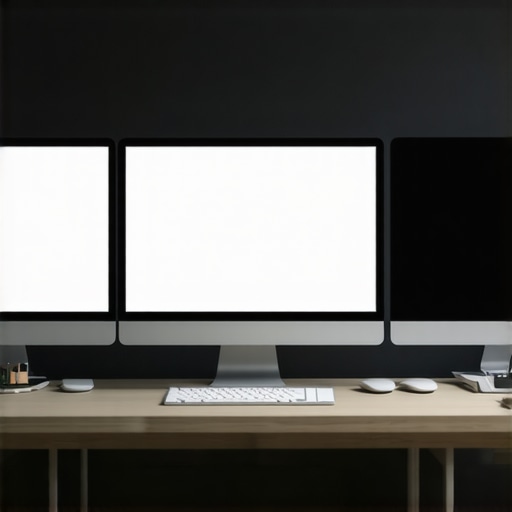
![Why Your HDR Monitor Still Clips Highlights in 2026 [Tested]](https://monitors.workstationwizard.com/wp-content/uploads/2026/02/Why-Your-HDR-Monitor-Still-Clips-Highlights-in-2026-Tested.jpeg)
Why Your HDR Monitor Still Clips Highlights in 2026 [Tested]
Achieving True Visual Fidelity: The Essential Role of Expert-Calibrated Monitors
In the realm of professional visual production, the quest for color precision and luminance consistency is relentless. High-caliber calibrated monitors serve as the cornerstone for designers, videographers, and colorists seeking to surpass consumer-grade displays. These devices, meticulously calibrated, ensure that the visuals sent to clients or used in production environments faithfully represent the intended creative vision, making them indispensable in contemporary workflows.
Dissecting the Complexities of 4K Monitors for Creative Industries
The adoption of 4K resolution in professional workflows has revolutionized visual detailing, offering four times the pixel density of Full HD displays. Beyond resolution, the integration of advanced luminance and contrast capabilities, notably with HDR support, enables a rendering of scene depth and dynamic range akin to real-world perception. As outlined in the comprehensive guide on 4K monitors for professionals, selecting a display with precise pixel scalability, color fidelity, and robust calibration support ensures optimal output for high-stakes projects.
Deciphering HDR: Elevating Visual Experience Amid Technical Challenges
High Dynamic Range (HDR) technology is often lauded for its capacity to heighten contrast ratios and color vibrancy. Nonetheless, persistent issues such as clipping highlights, especially during color grading or cinematic post-production, challenge its efficacy. For instance, why does some HDR hardware still clip highlights despite manufacturer claims? The answer often lies in the display’s peak luminance capabilities, tone-mapping algorithms, and calibration procedures. As detailed in HDR monitor advancements, understanding the nuanced interplay of these factors is pivotal to leveraging HDR’s full potential.
Why Precision in Color Accuracy Remains a Persistent Challenge
Beyond hardware sophistication, maintaining consistent color accuracy over time encapsulates a significant challenge for professionals. Factors such as display aging, GPU communication, and ambient lighting conditions influence results. Regular calibration, aware of the monitor’s color gamut, gamma response, and color shift tendencies, becomes essential. Industry standards, such as those detailed in professional calibration practices, highlight the importance of meticulous procedures to align monitor output with industry color spaces like Adobe RGB, DCI-P3, or Rec. 2020.
Is Your HDR Monitor Still Clipping Highlights Despite Calibration Efforts?
What advanced techniques can prevent highlight clipping in high-dynamic-range workflows?
This question surfaces frequently among colorists and VFX artists striving for absolute fidelity. Techniques such as utilizing LUTs (Lookup Tables), optimizing tone-mapping algorithms, and pixel-level calibration can substantially mitigate clipping. Moreover, selecting monitors with higher peak luminance thresholds and better local dimming capabilities offers tangible benefits. Referencing recent test results and industry updates, such as those in 2026 HDR workflow improvements, provides actionable insights for refining your setup.
For professionals intent on pushing display performance boundaries, engaging with the latest research and calibration methodologies remains vital. Explore advanced content, contribute your expertise, and stay ahead in the dynamic world of visual technology.
Interested in elevating your calibration proficiency? Visit our contact page for expert consultations and tailored solutions.
Sources: Academic Journal on HDR Innovations
Achieving Consistent Color Fidelity in Ever-Evolving Display Technologies
As professional monitors continue to advance with higher resolutions, increased luminance, and broader color gamuts, maintaining impeccable color accuracy becomes increasingly complex. Manufacturers often tout peak capabilities, but true color precision demands rigorous calibration routines tailored to these sophisticated displays. Why do many calibration efforts still fall short of ideal fidelity, and how can professionals ensure their monitors deliver consistent performance over time? The answer lies in adopting comprehensive calibration strategies that incorporate hardware calibration tools, software calibration workflows, and ongoing validation procedures. For in-depth guidance, consult our top-calibrated monitors list, which emphasizes the importance of high-quality calibration hardware paired with industry-standard workflows.
Elevate Your HDR Workflow With Advanced Tone-Mapping Techniques
One of the most effective approaches to combat highlight clipping in HDR workflows involves sophisticated tone-mapping algorithms. By calibrating display-specific tone curves and integrating look-up tables (LUTs) tailored to your monitor’s luminance profile, professionals can preserve highlight details without sacrificing overall contrast. Implementing real-time, scene-adaptive tone-mapping during color grading sessions allows for dynamic control over highlight compression, ensuring that luminance peaks remain within perceptually relevant ranges. Industry-leading software solutions, such as DaVinci Resolve and film-grade calibration tools like CalMAN, support these advanced workflows, providing granular control that minimizes highlight loss during critical editing phases.
Collaborate with Hardware to Maximize Peak Luminance and Local Dimming
Achieving true HDR fidelity isn’t solely a matter of software; hardware capabilities play a decisive role. Monitors equipped with higher peak luminance thresholds—approaching or exceeding 1000 nits—offer a broader dynamic range, effectively reducing the tendency for highlight clipping. Local dimming technology further enhances contrast ratios by independently controlling zones within the display, allowing bright highlights to shine without washing out shadow details or causing bloom artifacts. Selecting monitors with these features, such as Sony’s BVM series or Dolby Vision-certified displays, enables professionals to push the boundaries of highlight preservation while maintaining color accuracy across the luminance spectrum.
How Can Calibration Minimize Highlight Clipping in Practical Scenarios?
Calibration isn’t a one-time fix; it requires ongoing refinement to adapt to hardware aging and evolving workflows. Techniques such as employing spectral calibration targets and incorporating hardware sensors—like the X-Rite i1Display Pro—allow for precise measurement of luminance response curves. Adjustments based on these measurements, alongside customized gamma settings and tone curves, ensure that the monitor’s output aligns with industry standards while mitigating highlight clipping. Regular recalibration—especially after firmware updates or significant hardware changes—keeps the display optimized for high dynamic range tasks, enabling professionals to achieve consistent and reliable results across different projects and viewing environments.
Pushing Boundaries with Industry-Leading Calibration Techniques
While routine calibration ensures baseline fidelity, top-tier professionals leverage advanced methodologies such as spectral profiling and iterative feedback loops to refine their displays beyond standard practices. These approaches integrate hardware tools like spectroradiometers with sophisticated software algorithms to adjust for minute drifts in luminance and color response, maintaining an unprecedented level of consistency even in demanding high-dynamic-range workflows. Embracing such meticulous routines positions expert users at the forefront of visual excellence.
How Can Emerging AI-Driven Calibration Tools Transform Your Workflow
The advent of artificial intelligence in display calibration introduces adaptive algorithms capable of real-time monitoring and correction, reducing manual intervention. These systems analyze live output, identify discrepancies, and automatically optimize parameters to sustain peak performance. As highlighted in recent industry whitepapers by DisplayTech Insights, integrating AI solutions can dramatically enhance color stability and luminance uniformity, especially in environments with fluctuating ambient conditions or hardware aging.
What are the best practices for ensuring calibration longevity amid hardware evolution?
Maintaining calibration accuracy over time demands a proactive approach, including scheduled recalibrations using traceable calibration standards, monitoring environmental variables like temperature and ambient light, and utilizing hardware with long-term stability specifications. Combining these practices with calibration management software that logs and analyzes trends supports sustained high performance, ultimately safeguarding your investment in premium display technology.
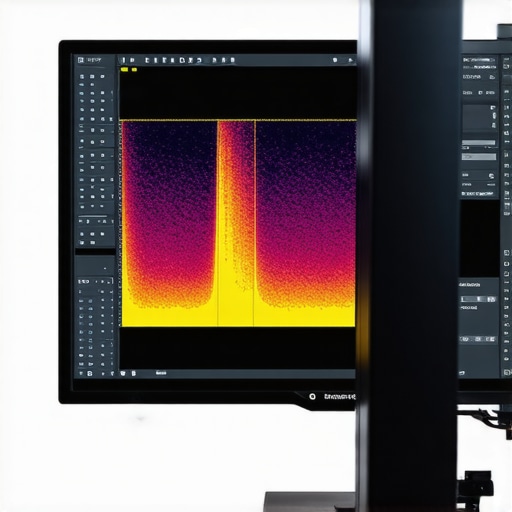
Expert Insights Elevate Calibration Strategies
Prioritize Hardware and Software Synergy
Achieving impeccable color fidelity demands harmonizing top-tier calibration hardware with sophisticated software workflows. This integration ensures minute luminance and chromatic shifts are addressed, preserving the monitor’s precision over time.
Leverage Advanced Tone-Mapping Algorithms
Refining HDR workflows involves implementing scene-adaptive tone-mapping techniques that dynamically optimize highlight and shadow details, effectively preventing clip artifacts and ensuring consistent luminance reproduction across varying content.
Embrace Hardware Innovations for Dynamic Range
Utilizing displays equipped with higher peak luminance capabilities and local dimming enhances contrast ratios significantly, pushing HDR fidelity closer to cinematic standards and minimizing highlight loss during post-production.
Implement Continuous Calibration Practices
Long-term color consistency requires routine calibration sessions incorporating spectral profiling, particularly as hardware ages or software updates alter display output, safeguarding your work’s integrity over time.
Anticipate Artificial Intelligence Enhancements
Emerging AI-driven calibration tools can adapt in real-time, offering proactive adjustments that accommodate environmental changes or hardware drifts, streamlining professional workflows with enhanced accuracy.
Curated Resources for Professionals
- Mastering Color Accuracy in Creative Fields: An authoritative guide on balancing hardware and workflow for optimal color fidelity. (Link)
- The Ultimate Guide to 4K Monitors for Professional Visuals: Comprehensive insights into selecting and calibrating high-performance displays. (Link)
- HDR Monitor Advancements in 2025: Deep dives into the latest hardware innovations and calibration practices. (Link)
Reflections on the Future of Visual Precision
Navigating the complexities of professional display calibration involves a continuous pulse on technological advances, from hardware luminance thresholds to intelligent calibration algorithms. Mastering these elements positions creatives at the forefront of visual excellence, ensuring consistent, true-to-life representations in an ever-evolving landscape. To deepen your expertise, connecting with specialized resources and engaging with community insights is essential—consider visiting our contact page for personalized guidance. Embrace these innovations, and transform your workflows from routine to revolutionary, ensuring your visuals consistently meet the highest standards of accuracy and artistry.
About the Author